During my stay at UTFSM, I worked with Professor Raquel Pezoa, focusing mainly on the application of machine learning algorithms to problems in my research area. This was my first experience working with these types of methods.
We started by testing different machine learning algorithms to predict physical parameters from a grid of stellar evolutionary tracks and pulsation models. We then turned to a more challenging problem, in which we analyzed hundreds of Cepheid light curves using neural networks, with the goal of reconstructing their radial velocity curves from their optical light curves.
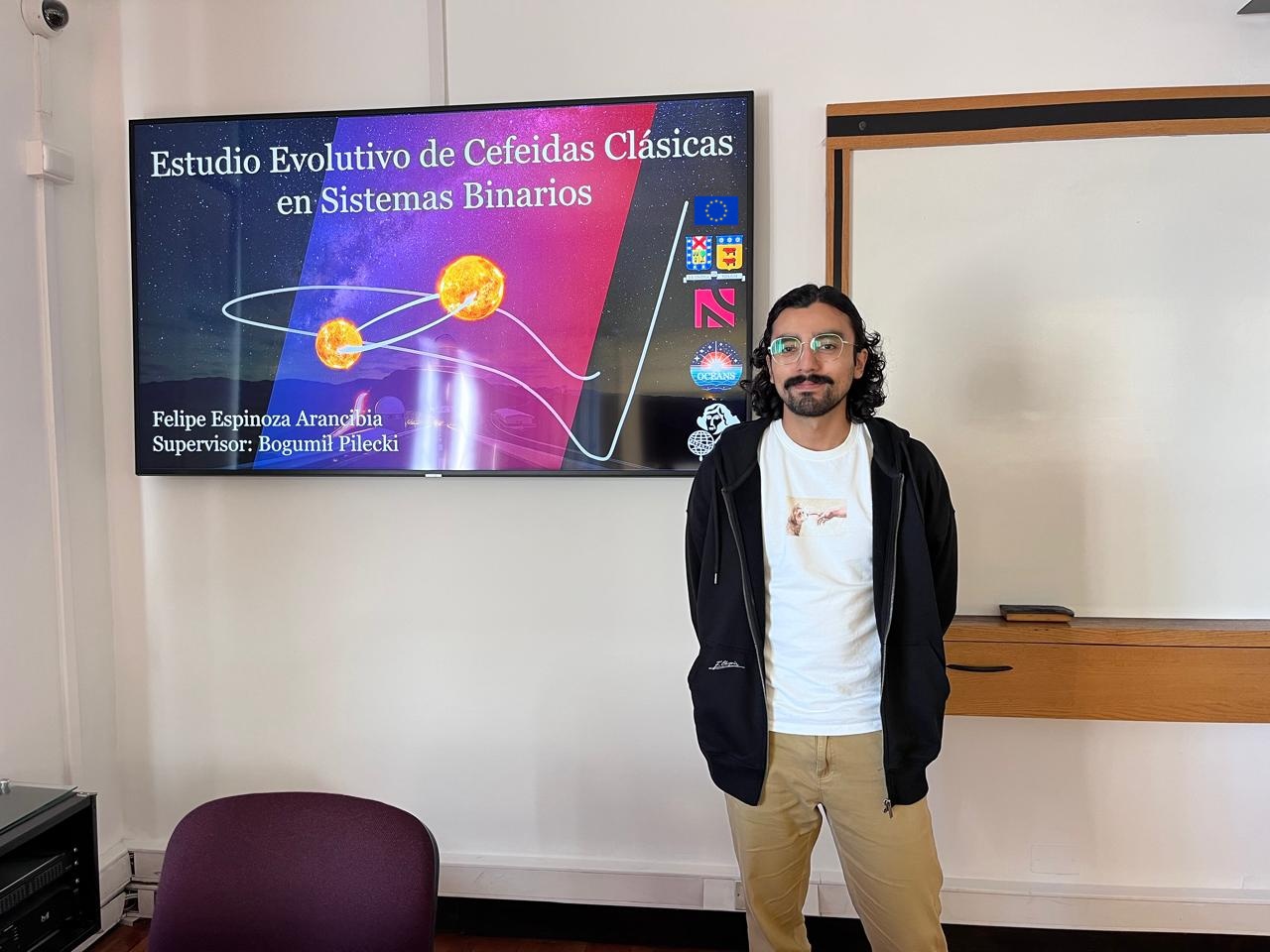
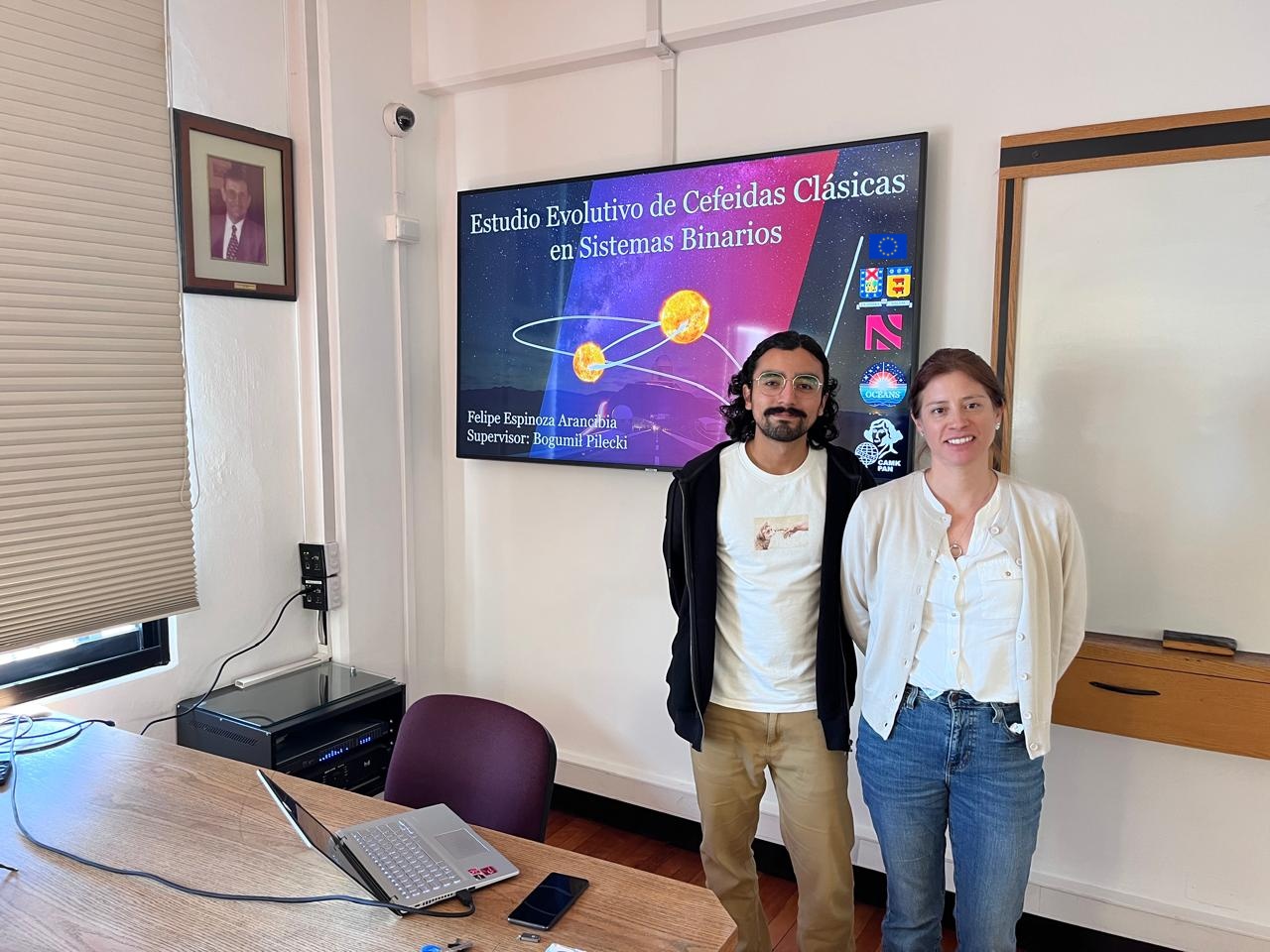
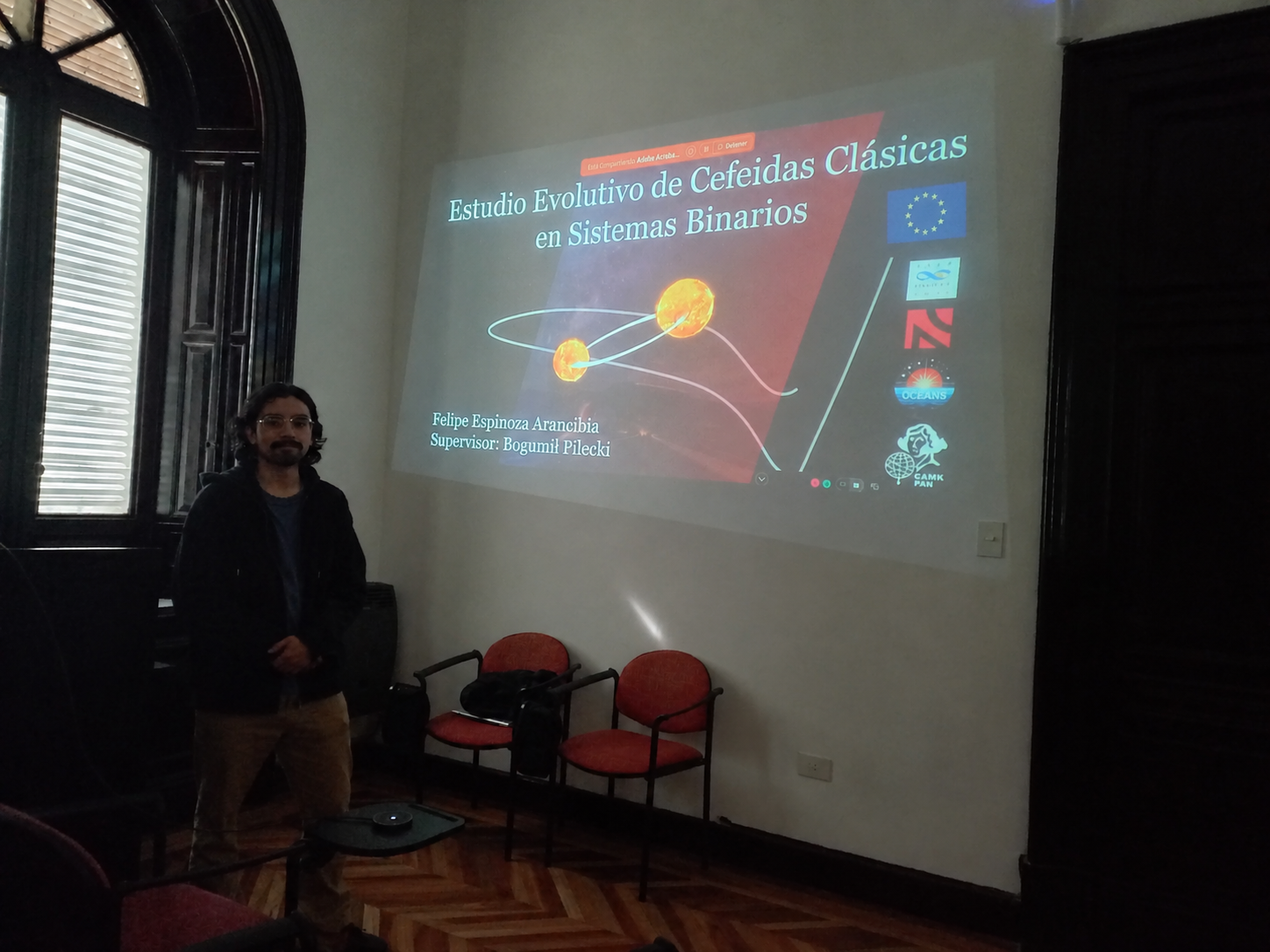
On September 22, I have presented a seminar talk on my research topic "Estudio evolutivo de Cefeidas Clásicas en Sistemas Binarios (Evolutionary study of Classical Cepheids in binary systems)".
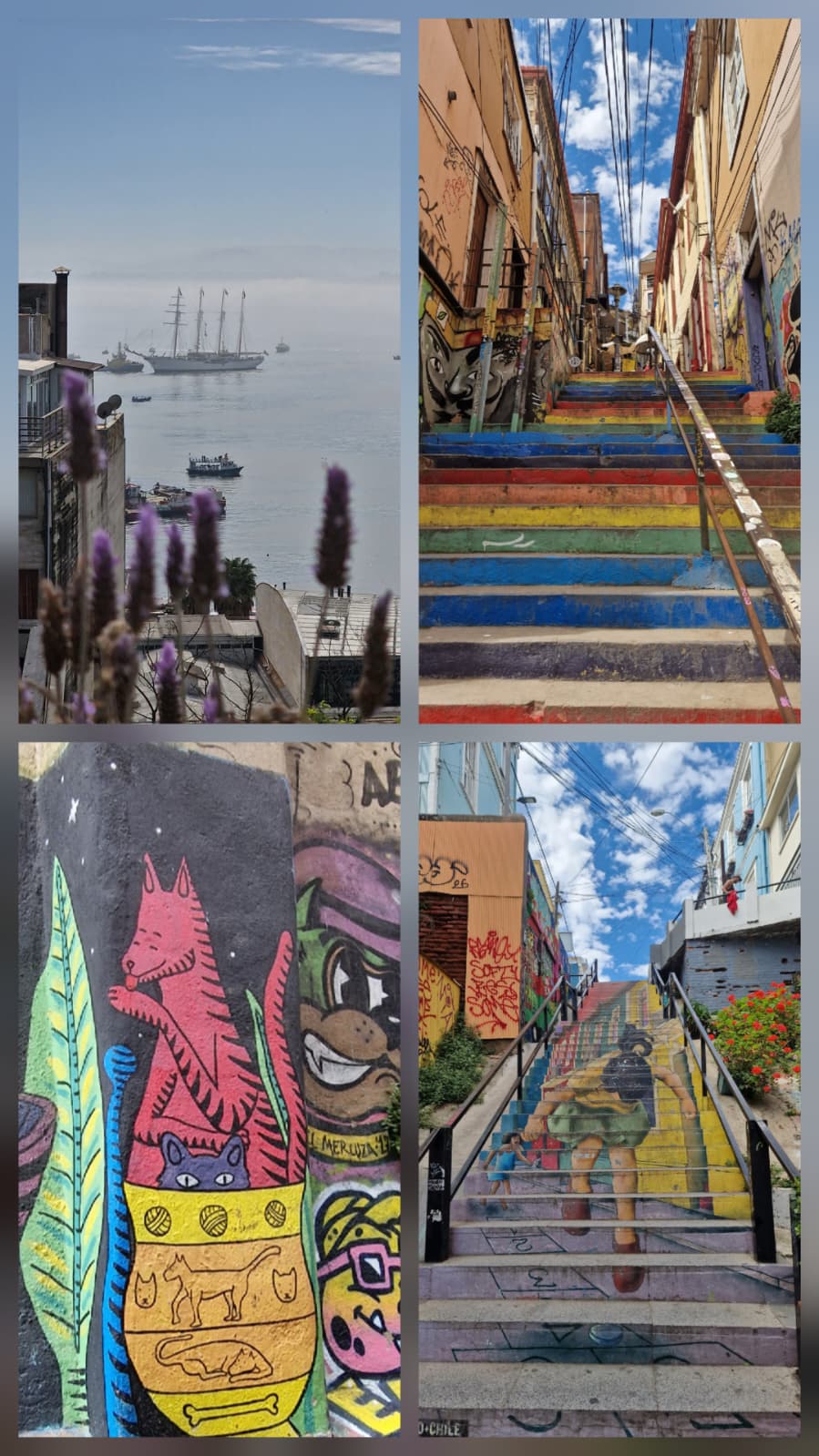
My stay at UTFSM, with its beautiful campus and nice spaces, offered me a unique and valued opportunity to learn many new tools to apply to my research. Outside of astrophysics, I had a mandatory visit to the colorful streets of Valparaíso, and the seashore of Viña del Mar.
During my secondment at Ondřejov Observatory, I worked in collaboration with Dr. Julieta Sánchez Arias and Dr. Michaela Kraus of the Physics of Hot Stars Group on the evolution and pulsational properties of massive O- and B-type stars. I implemented and tested different stellar-wind mass-loss prescriptions in LPCODE evolutionary code, computed evolutionary sequences, and compared the resulting models with independent calculations performed with MESA code}. I also carried out non-radial pulsation calculations with LP-PUL pulsation code and discussed the potential use of pulsational properties as diagnostics of the evolutionary state of massive stars. Throughout the stay, I participated in regular group meetings and had frequent scientific discussions with Dr. Sánchez Arias, Dr. Kraus, and doctoral student Felipe Figueroa-Tapia, whose research focuses on stellar-wind mass-loss processes.
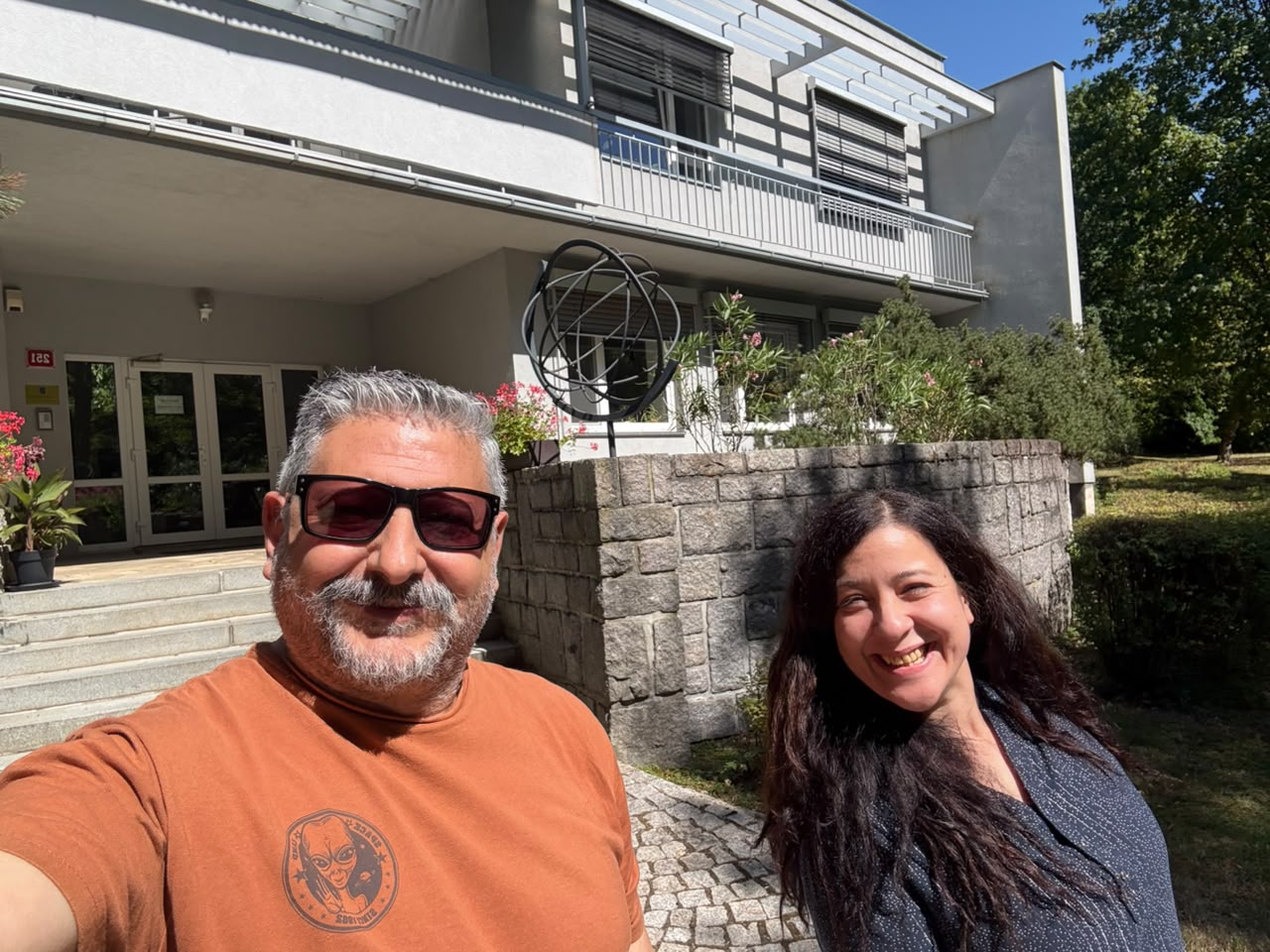
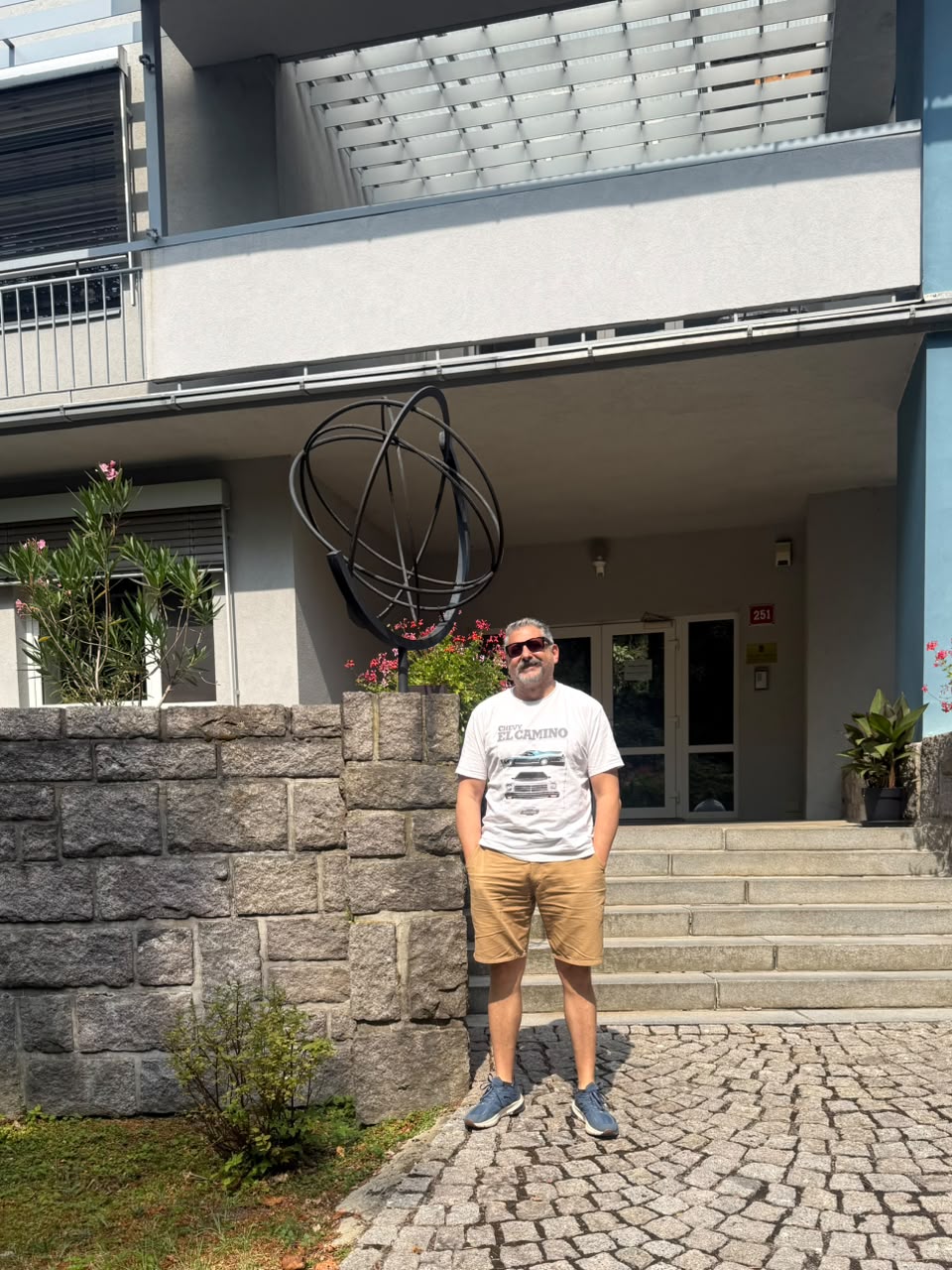
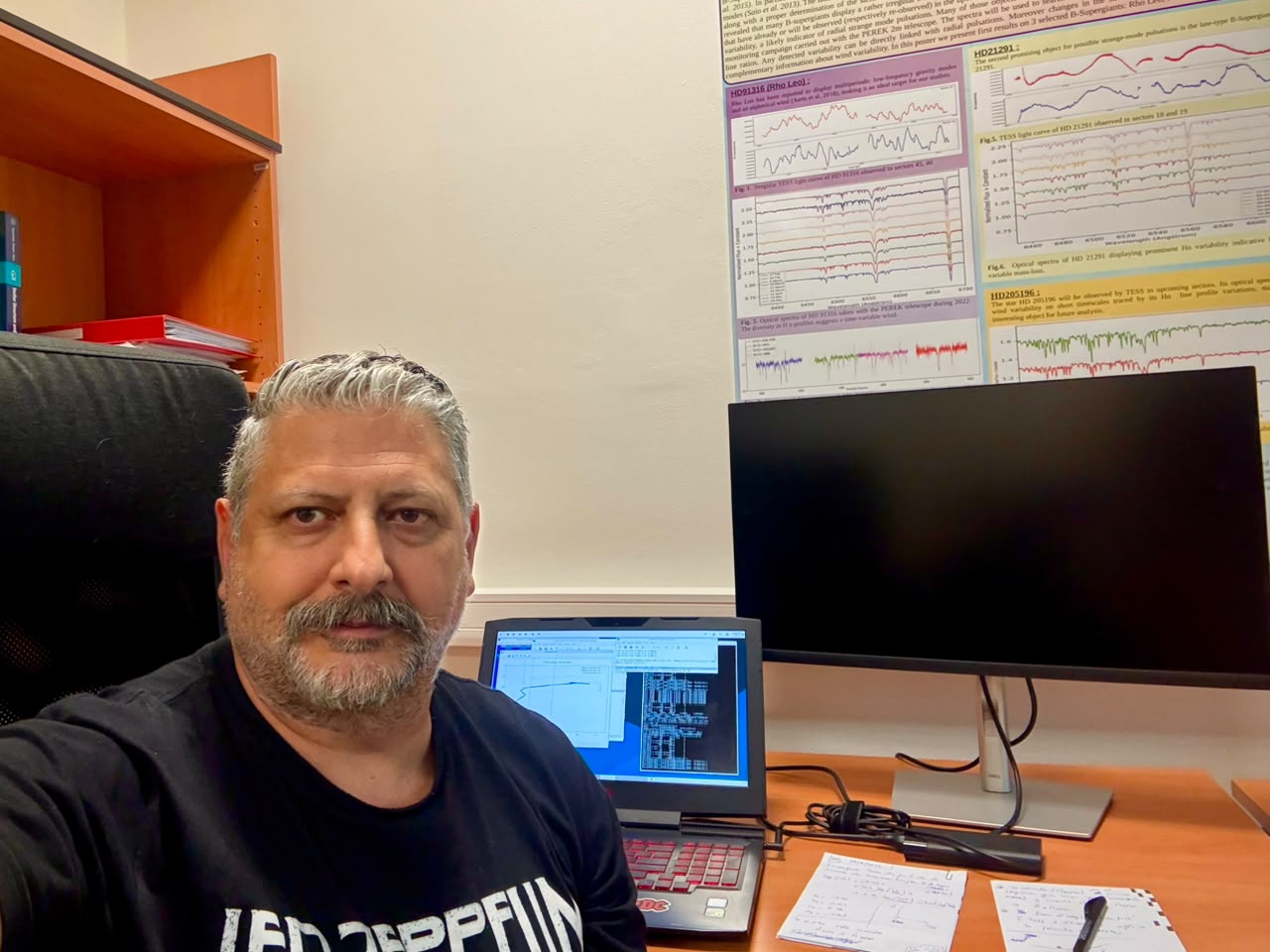
In addition to the scientific activities, I had the opportunity to visit Prague several times, as well as Kutná Hora and several villages and towns surrounding Ondřejov. As an amateur photographer, I particularly enjoyed exploring these places and taking photographs of the local landscapes and architecture. These activities provided a valuable balance between the intensive research work and personal relaxation, allowing me to enjoy the local environment and culture while remaining focused on the scientific objectives of the stay.
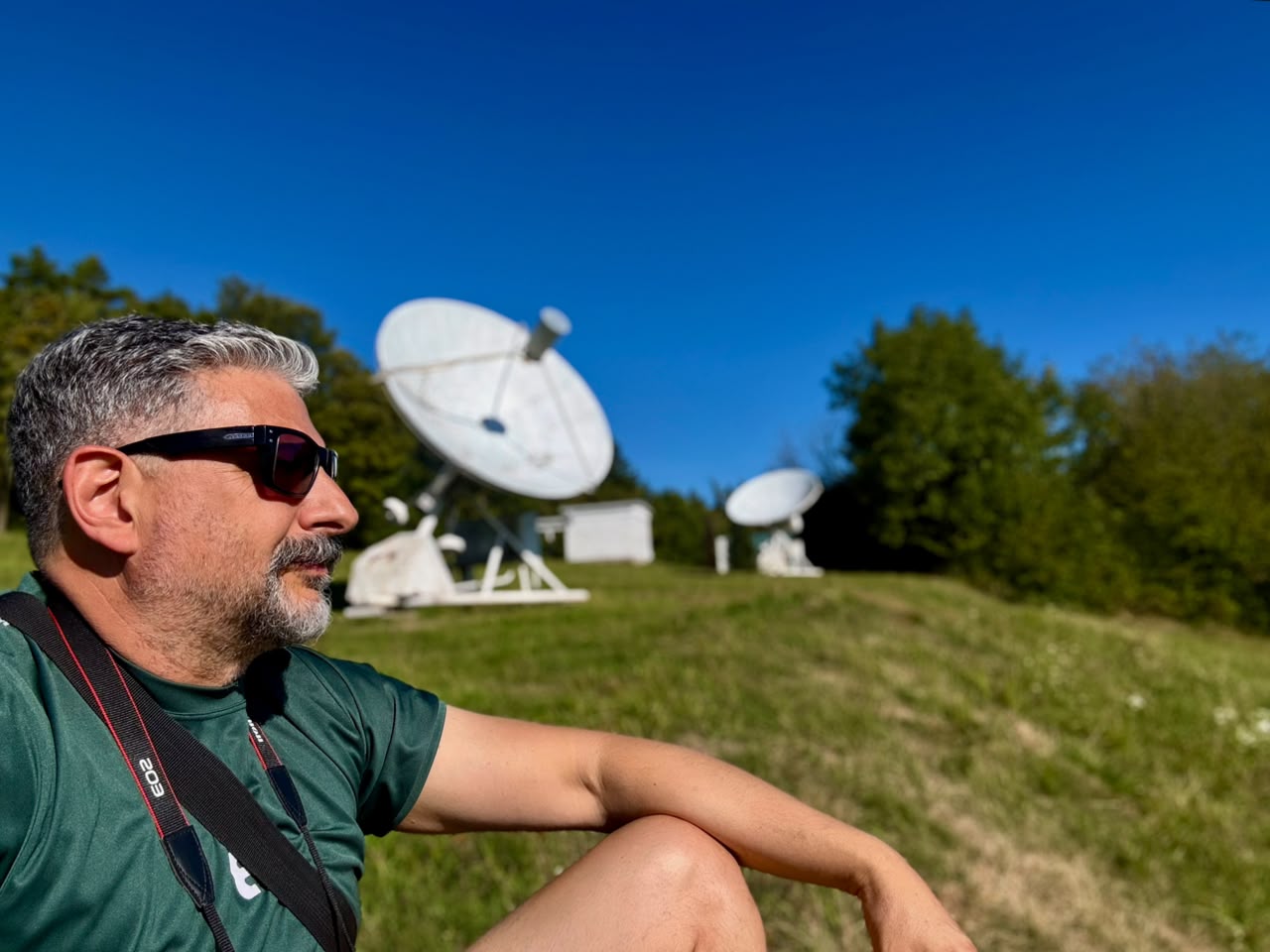
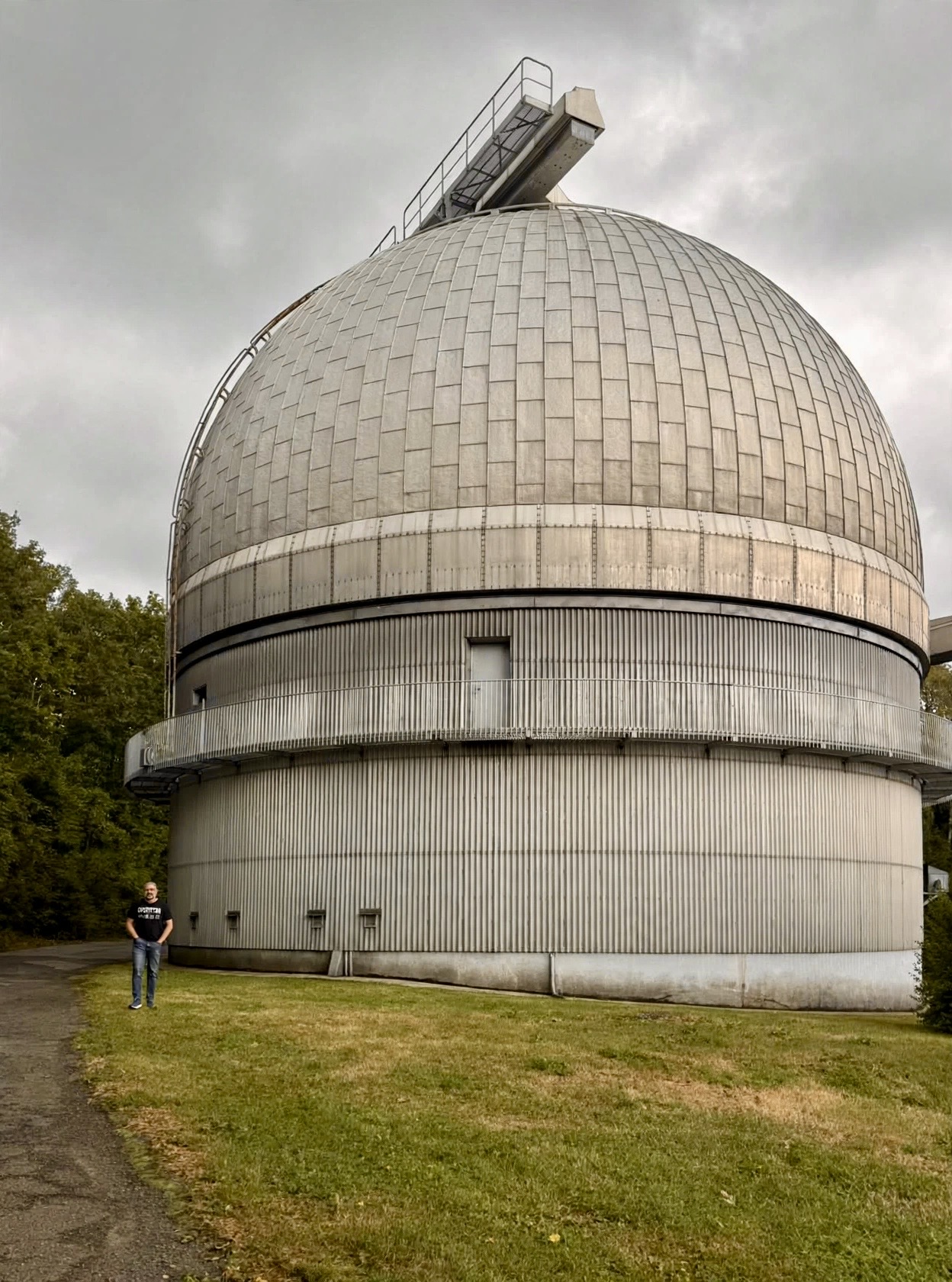
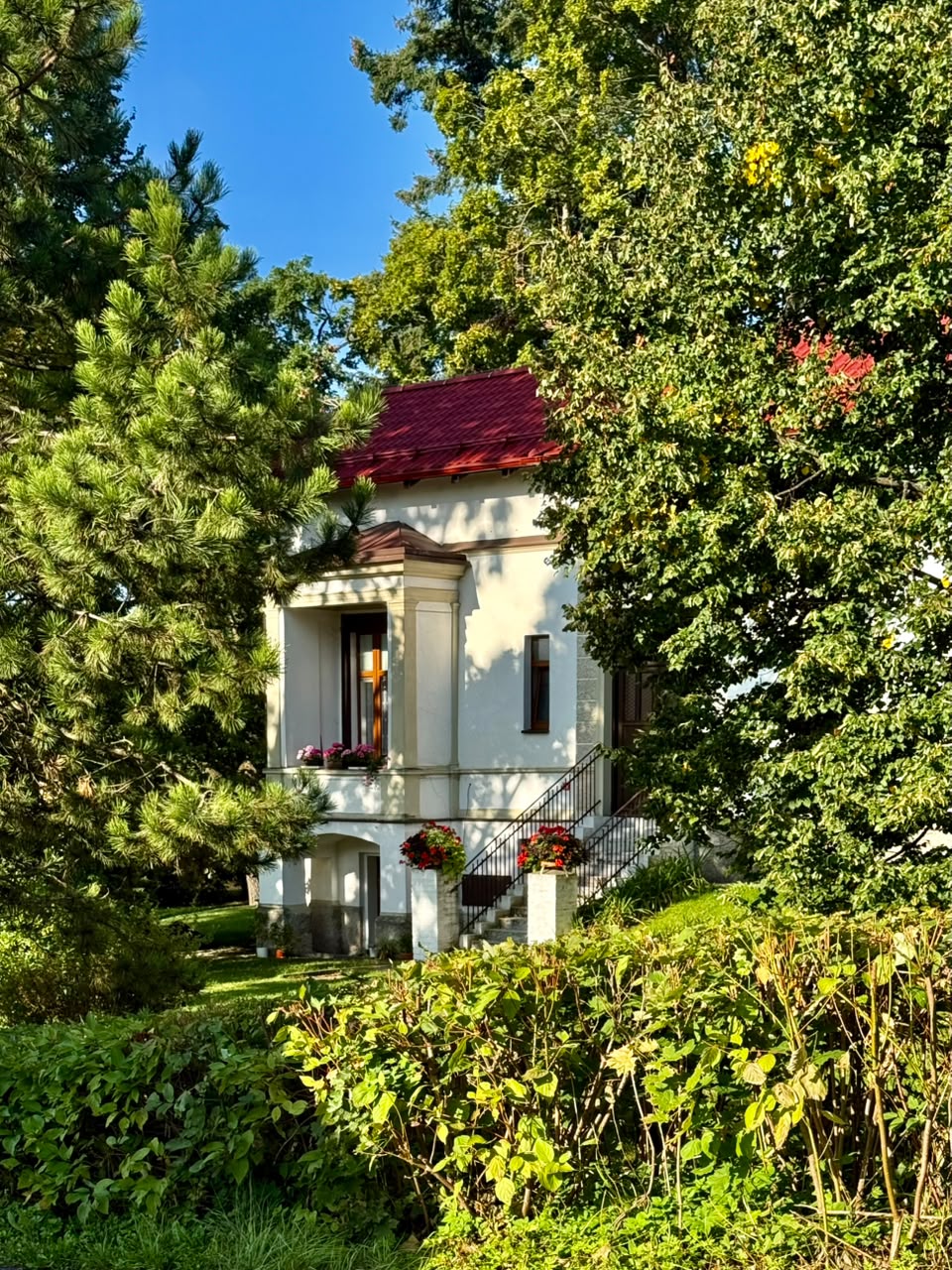
The collaboration established during the stay will continue through the study of how different stellar-wind prescriptions affect the pulsational properties of massive stars, with a manuscript based on this work currently being prepared. Further collaboration with Dr. Sánchez Arias will include evolutionary and pulsational calculations using MESA and GYRE, exploring the effects of different stellar-physics ingredients.
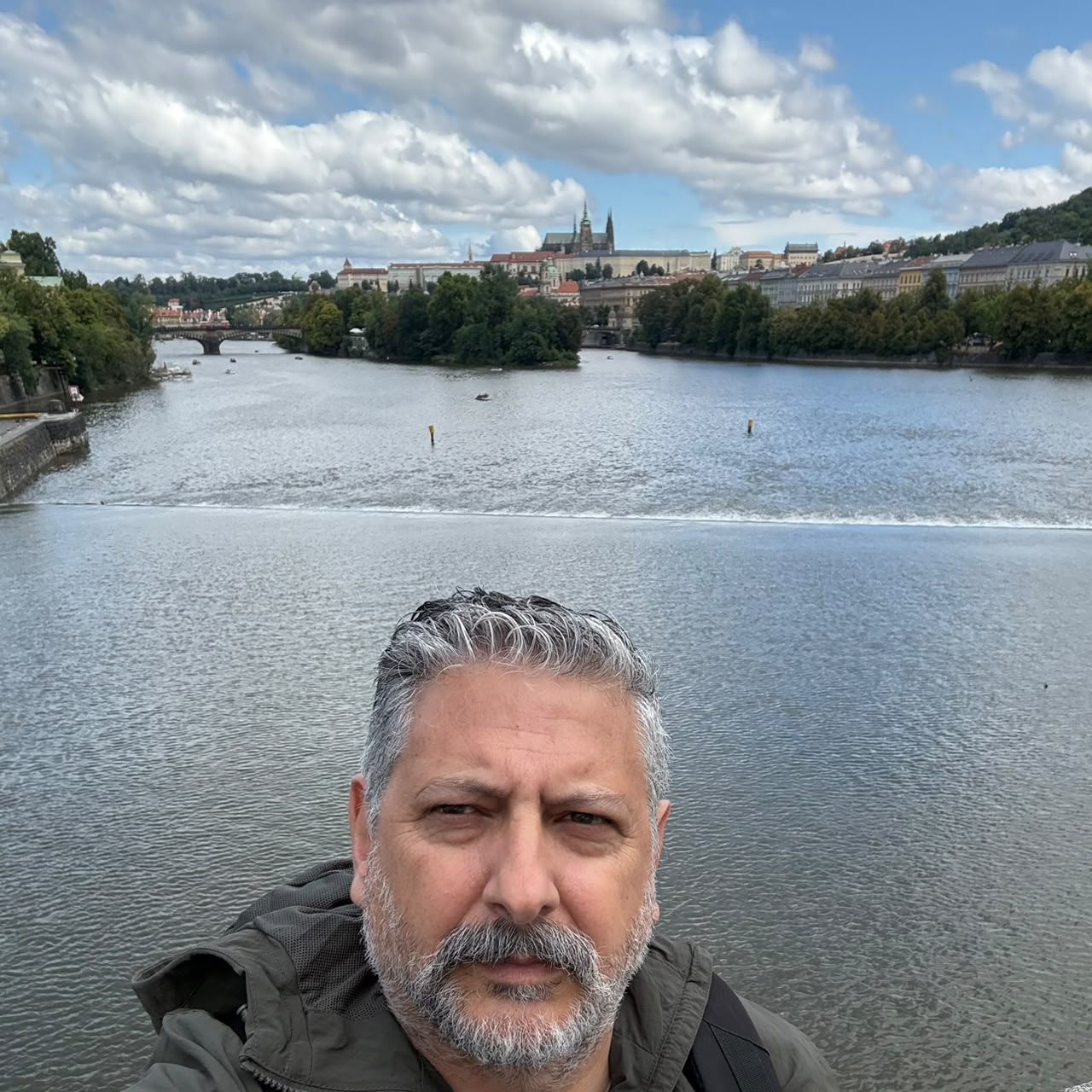
From 14 July to 16 August 2026, I carried out a research visit to the Astronomical Institute of the Czech Academy of Sciences (ASU) in Ondřejov, Czech Republic. During my stay, hosted by Dr. Michaela Kraus, I worked closely with Dr. Péter Németh and Dr. Julieta Paz Sánchez Arias on stellar atmosphere modelling of hot, massive stars.
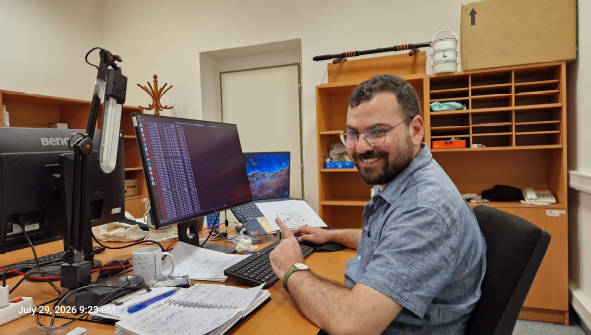
As part of a project linking stellar evolution, atmosphere, and pulsation calculations, we reviewed model inputs and corrected inconsistencies. We worked on improving an automated model-fitting procedure using CMFGEN. As a basis for future applications, we developed and tested a method for recovering the emergent spectral energy distribution from specific intensities computed with CMFGEN. We also began planning a spectroscopic study in which CMFGEN models will be used to interpret optical spectra obtained with the Perek 2-m telescope in Ondřejov.
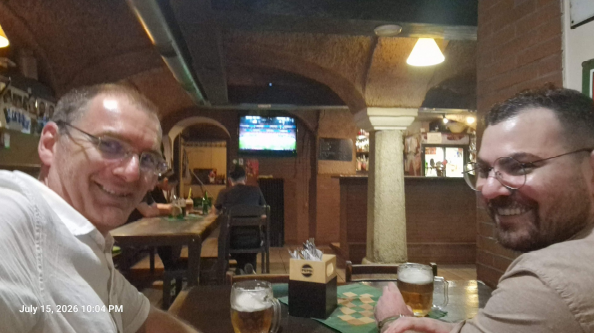
In collaboration with researchers from the Observatório Nacional (ON) and ASU, I prepared and submitted, as principal investigator, an observing proposal to obtain spectra of a binary system. We recently submitted another proposal for the same system, continuing the collaboration developed during my stay.
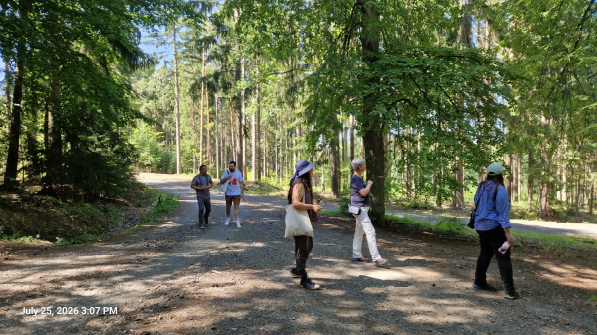
Throughout the visit, I participated in scientific meetings with the hot-star group in Ondřejov, discussing ongoing calculations, methodological questions, and observational projects. These exchanges helped define the next steps for the joint work between ON and ASU within OCEANS.
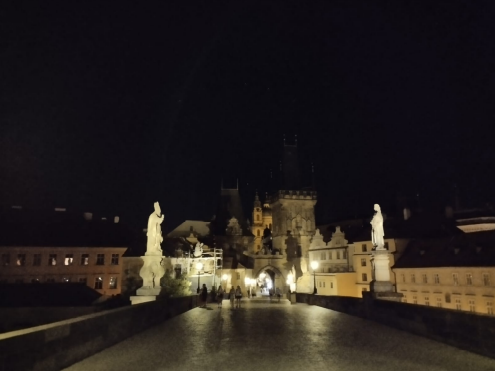
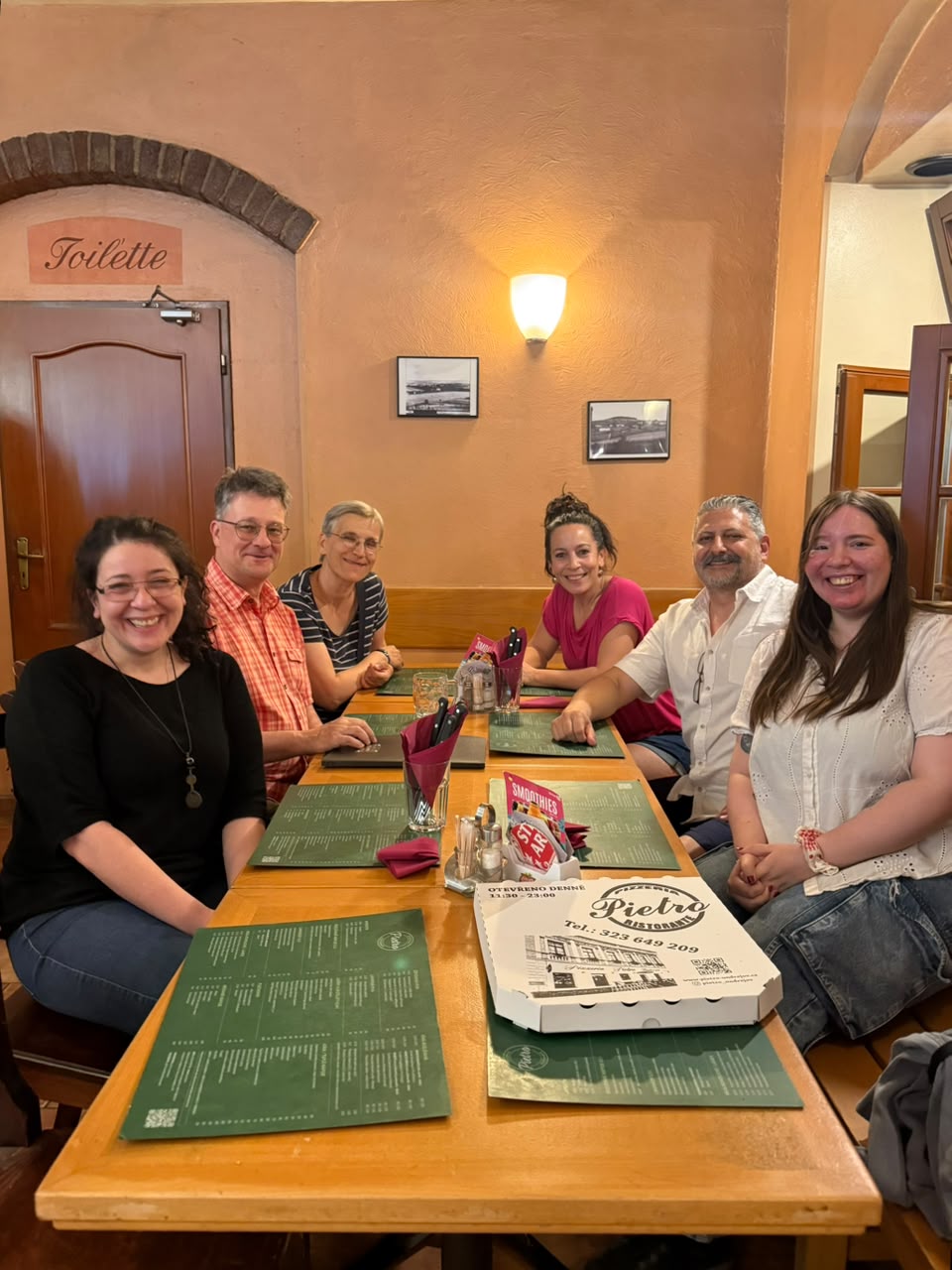
Beyond the research activities, it was a pleasure to share meals and enjoy the company of Alejandro Córsico, Anahí Granada, Carlos Guerrero, Dieter Nickeler, Julieta Paz Sánchez Arias, Melina Fernández, Michaela Kraus, Olga Maryeva, and Péter Németh, among other OCEANS members. I also visited Prague twice and enjoyed strolling through its streets. In Ondřejov, I especially appreciated the very starry night sky and the quiet surroundings. A memorable highlight was seeing P Cygni with my own eyes through an amateur telescope during an observing night with Péter and Anahí, shortly before my return to Rio de Janeiro.
During my secondment at ASU I worked on several projects related to Be and other early-type stars, while strengthening existing collaborations and developing new ones within the OCEANS network.
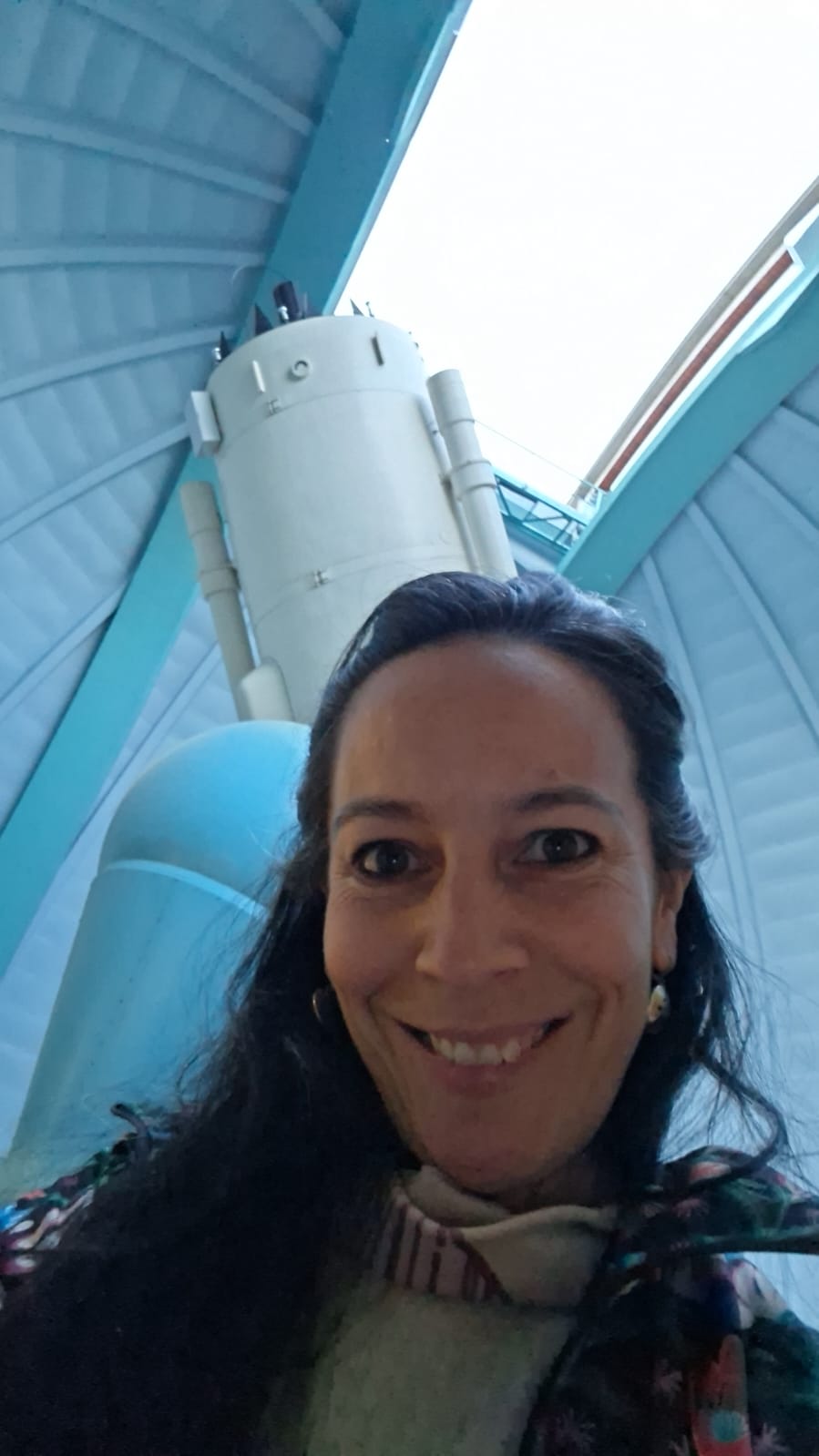
At the beginning of my stay, I attended the 42nd Liège International Astrophysical Colloquium (LIAC42) "To Be or not to Be : Understanding the star, the disk, and the stripped companions", from 13 to 17 July, where I presented results related to my work within OCEANS. The conference was also a great opportunity to interact with colleagues from the consortium and with researchers from the broader international community working on Be stars and related topics.
Back at ASU, part of my work focused on an observing campaign at CASLEO in Argentina, together with Olya Maryeva (ASU) and Yael Aidelman (UNLP). The observations, planned for early August, had to be reorganized at relatively short notice because of technical problems affecting the liquid-nitrogen supply required by the instrument we had originally planned to use. We worked together to adapt the observing strategy and were ultimately able to carry out the campaign. The data are now being processed and will soon be ready for scientific analysis.
During the secondment, I also worked with Peter Nemeth (ASU), Marcelo Borges Fernandes (ON), and Yael Aidelman (UNLP) on a new System Verification observing proposal using STELES, a recently installed spectrograph at the SOAR telescope. One of the goals of our proposal is to better understand a group of unusual B and Be stars in the open cluster NGC 3114. This proposal grew directly from discussions within the collaboration and from the complementary expertise of the team members.
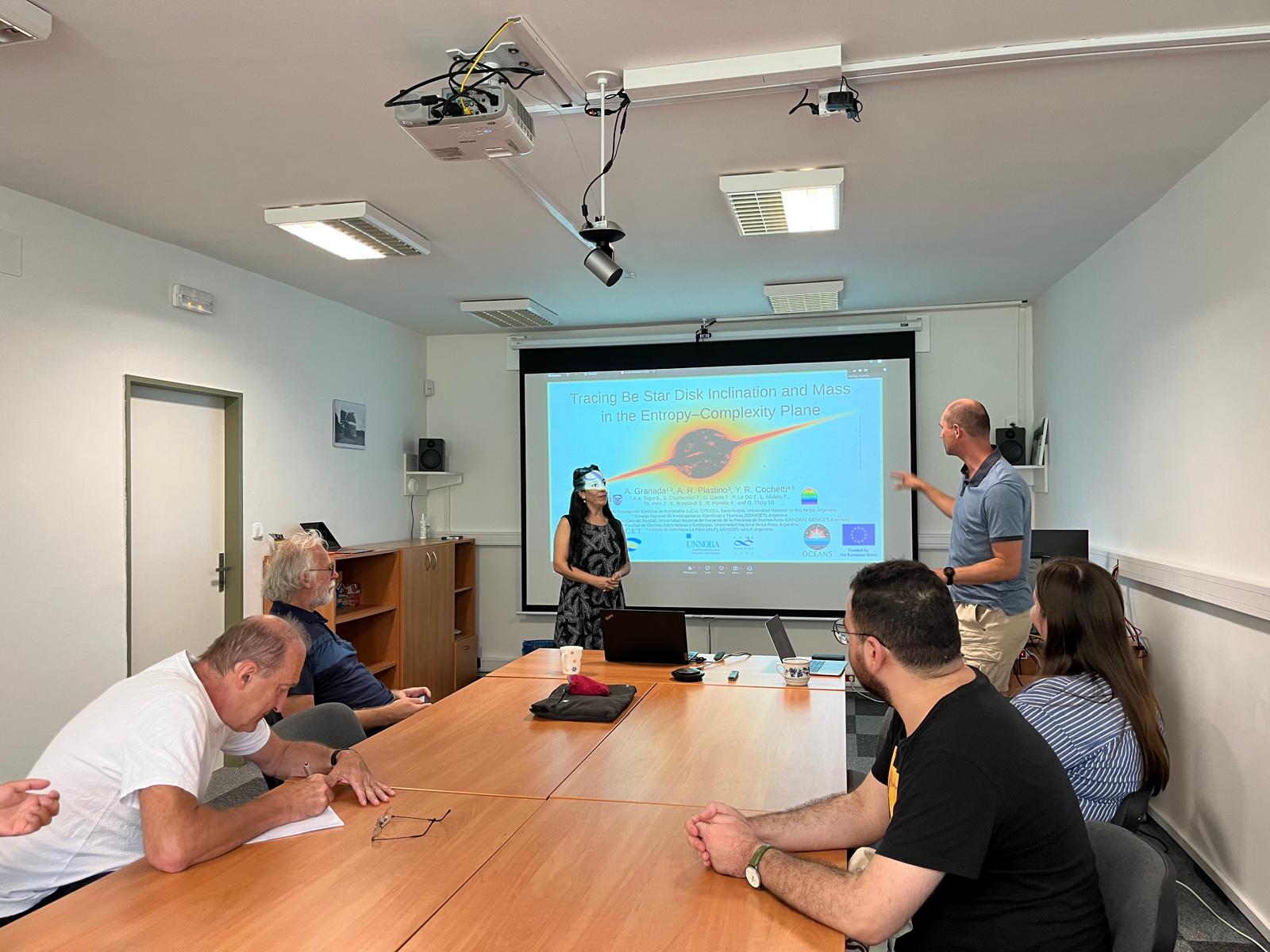
On 28 July, I gave a seminar to the Stellar Physics group in Ondřejov, entitled “Tracing Be Star Disk Inclination and Mass in the Entropy–Complexity Plane.” The seminar led to many interesting discussions with OCEANS colleagues and opened the possibility of extending these methods to other types of observations and scientific problems.
Several new collaborative ideas also emerged during the visit. Discussions with Carlos Guerrero (UANL), who was also on secondment at ASU, as well as with Michaela Kraus and Michalis Kourniotis (ASU), opened possible new lines of collaboration related to the variability, multiplicity, and characterization of early-type stars.
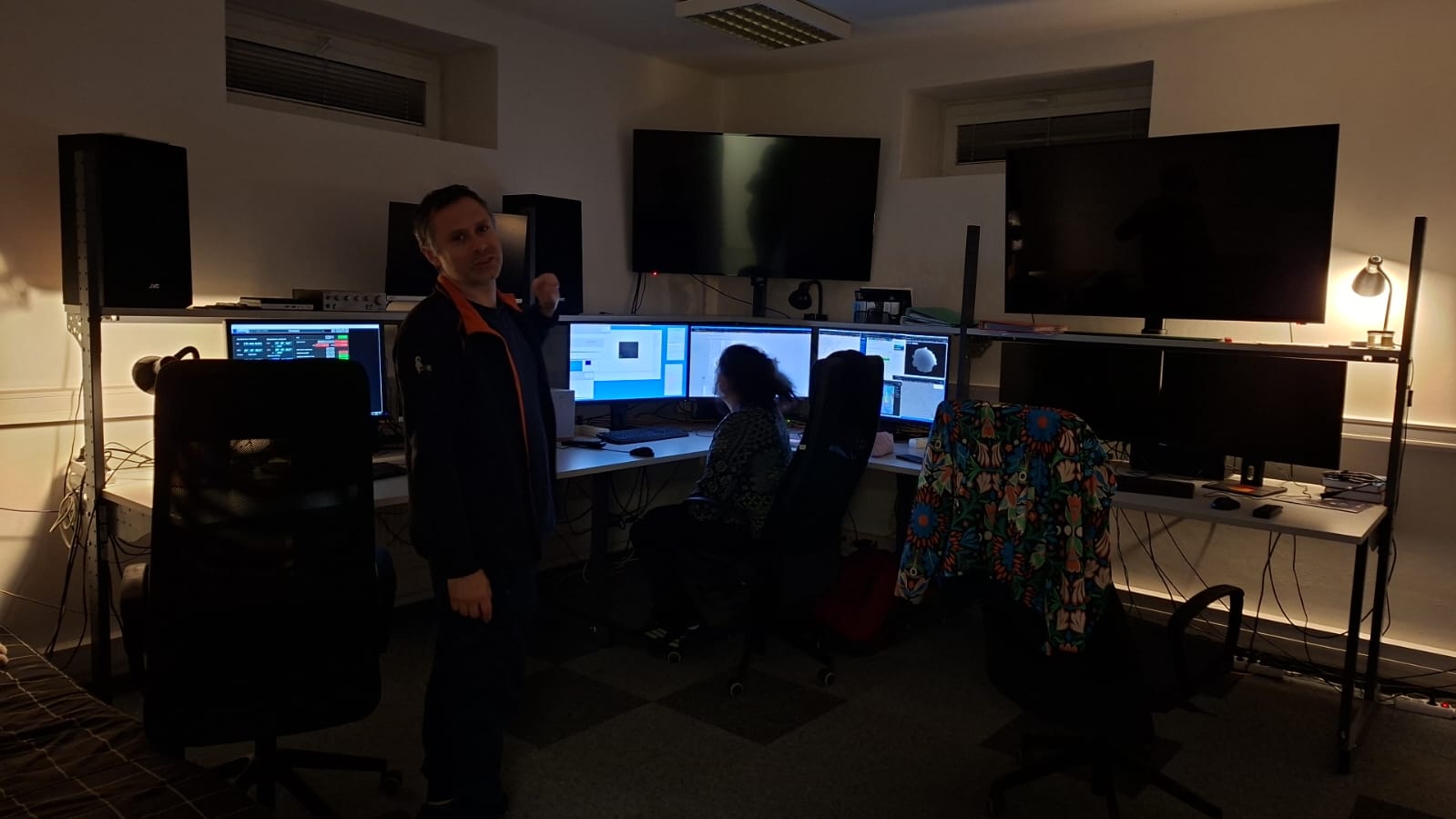
The scientific and social activities during the secondment also gave me the chance to exchange ideas with other OCEANS members, including Julieta Sánchez Arias (ASU), Melina Fernández (UNLP), and Elisson de Almeida (ON). These interactions continued beyond the formal scientific activities, including group outings in the surroundings of Ondřejov, which allowed me to get to know colleagues and exchange ideas with them in a more informal setting. Together with Julieta, I also took part in an observing night with the Perek 2-m Telescope at Ondřejov Observatory, which was a great opportunity to become familiar with the local observing facilities and activities. I also had the opportunity to visit Prague and experience some of the cultural and historical highlights of the Czech Republic.
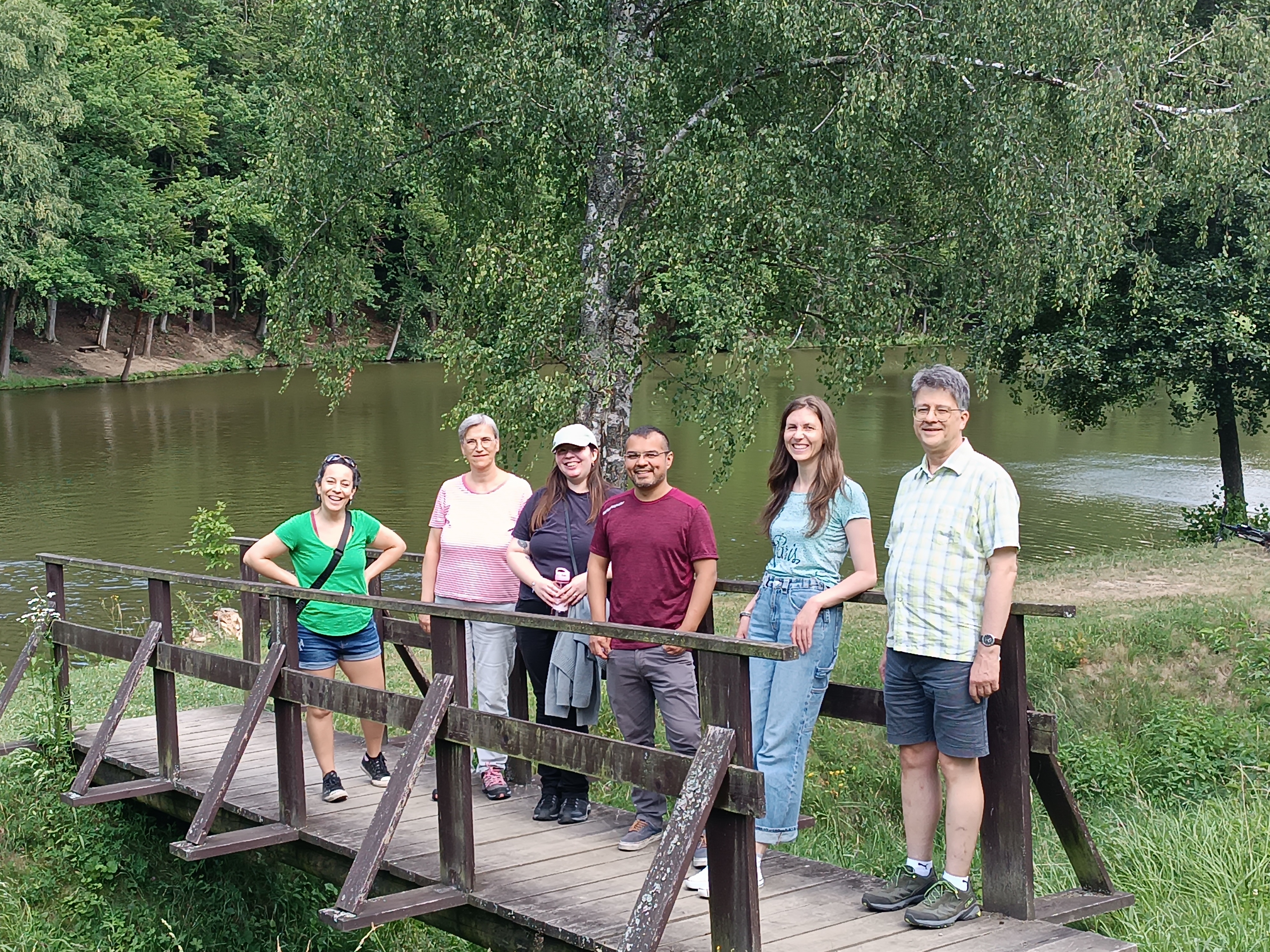
Overall, the visit was a combination of ongoing research, new observational projects, dissemination of results, scientific and cultural exchange, and, importantly, the development of new connections and collaborations across the OCEANS network.
During my stay at UNLP, I worked with Professor Lydia Cidale and Aldana Alberici. Together, we explored several topics, with a particular focus on the analysis of different types of data. This was one of my first experiences working extensively with data analysis, as my research typically focuses more on the computation of stellar evolutionary models. On the latter topic I gave a seminar talk on 26 August with title "Estudio evolutivo de Cefeidas Clásicas en Sistemas Binarios (Evolutionary study of Classical Cepheids in binary systems)".
With Lydia, we started analyzing TESS light curves of different types of stars, including Cepheids. At the same time, Aldana introduced me to wavelet analysis as a tool for studying these time series. We then analyzed spectra of some of the same objects obtained at CASLEO. This was a very valuable experience for me, as I became familiar with software such as iSpec for spectral analysis and radial velocity measurements.
All the discussions with Lydia and her collaborators at IALP were always very enjoyable and, of course, accompanied by mate, which I ended up adopting and now drink regularly.
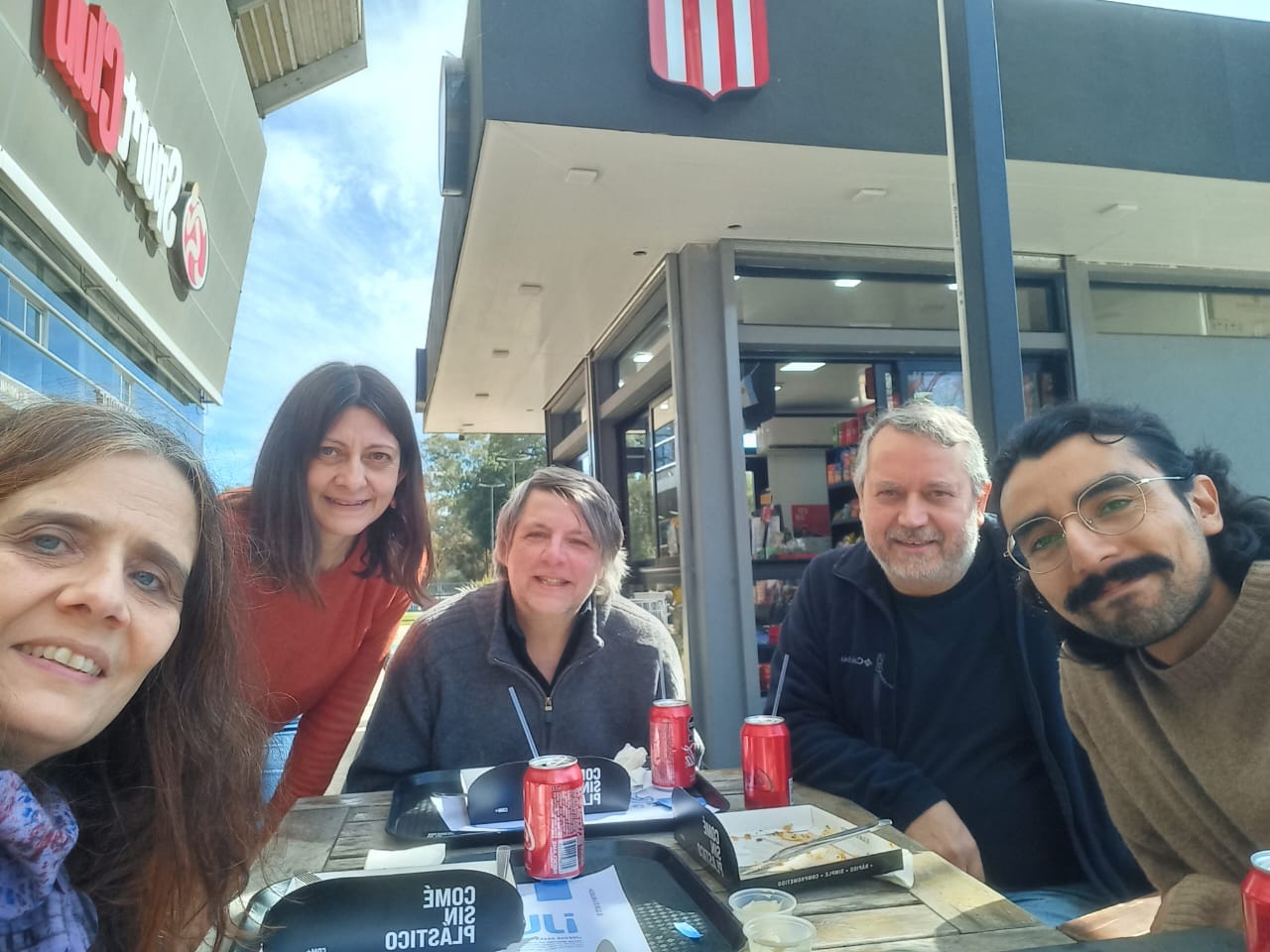
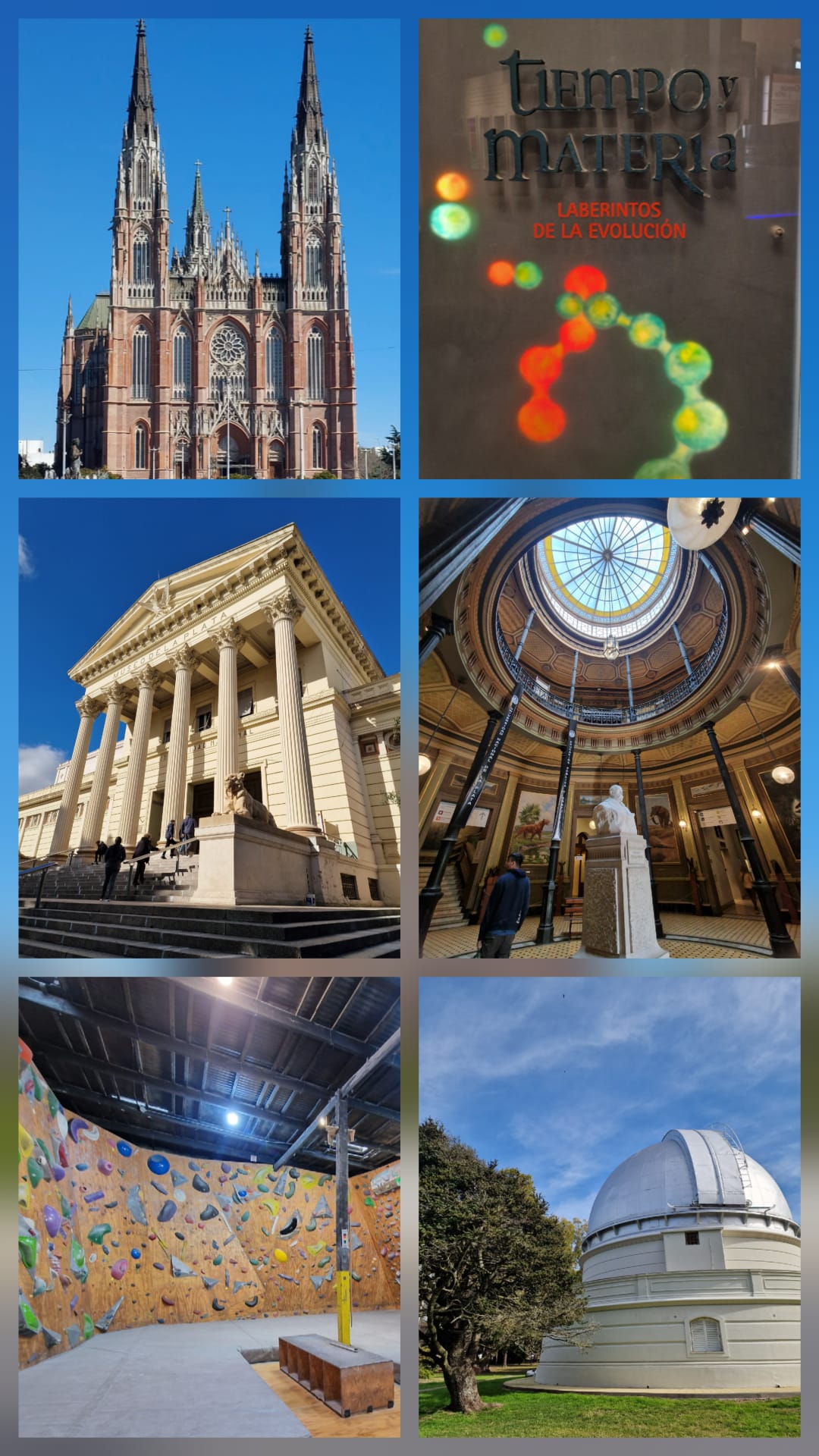
Outside of astrophysics, I spent my time walking around the city of La Plata, discovering the surprises hidden along its streets and diagonals. I also spent a lot of time climbing at a local gym and watching movies at the municipal cinema.
My secondment took place at the Instituto de Astrofísica de Canarias (IAC) in Tenerife, Spain, where I was hosted by Dr. Sergio Simón-Díaz within the framework of the OCEANS project. Upon my arrival, Sergio gave me a tour of the institute and introduced me to the members of the Physics and Evolution of Massive Stars group, including Dr. Sara Berlana and Dr. Gonzalo Holgado. I participated in several group meetings and discussions throughout my stay. In addition to learning about their ongoing and future research projects, I had the opportunity to connect with them on a social level during lunches, coffee breaks, and visits to local restaurants. The working atmosphere was consistently welcoming and pleasant, making it a great experience to get to know and spend time with the team. During my stay, I also met several PhD students and postdoctoral researchers from various nationalities, and I thoroughly enjoyed our daily chats, sharing experiences with them, and learning about their diverse research projects.
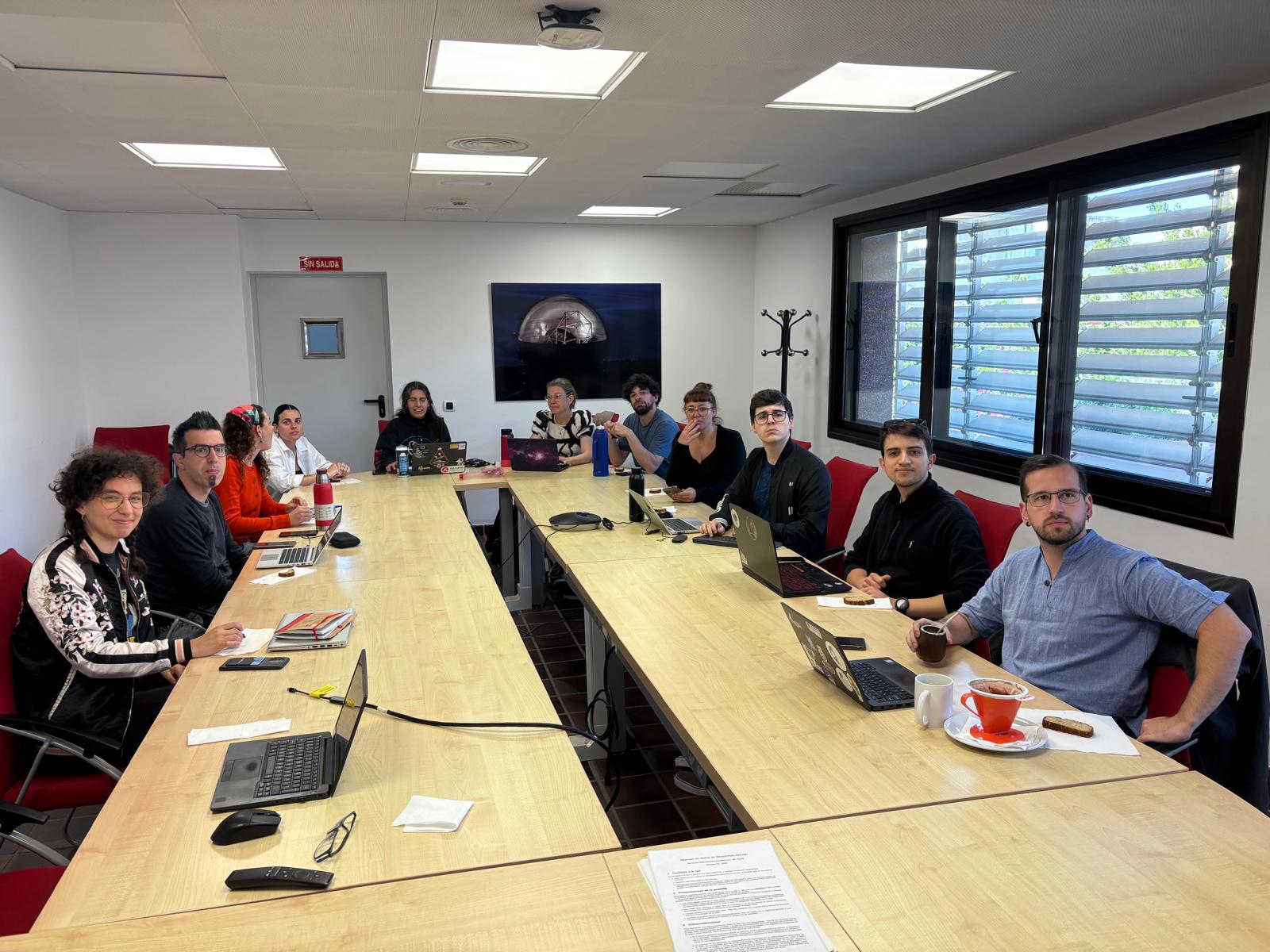
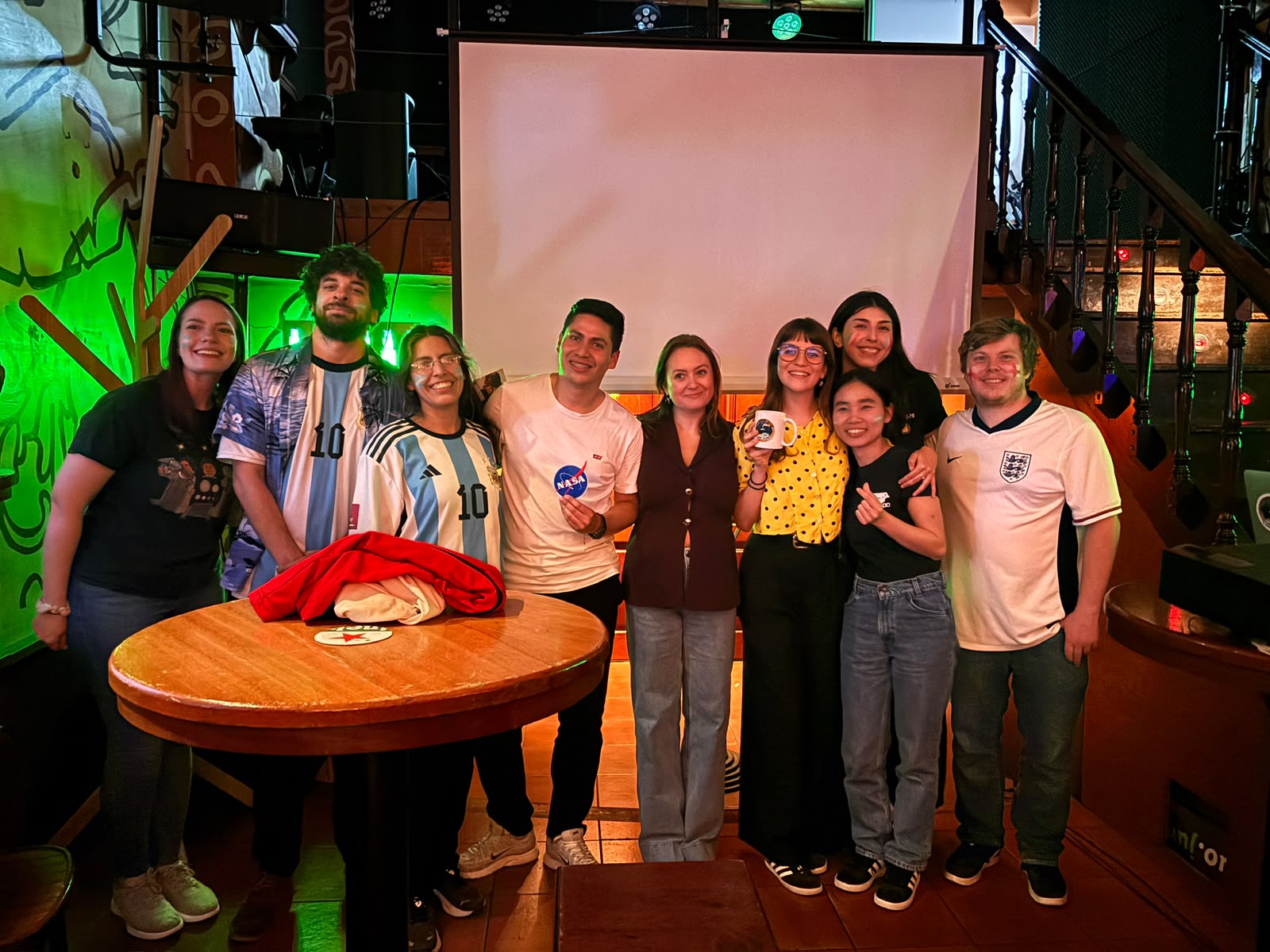
In addition to attending regular group meetings, I had the opportunity to present my PhD work during one of the weekly sessions, sharing my current research interests and discussing potential collaborative projects. I also experienced daily academic life at the IAC by attending various seminars and special events, such as the IAC Science Day – an all-day event where faculty members present their ongoing work to the community. This was an excellent way to gain a broad overview of the different research groups and activities across the institute. Furthermore, I was invited to participate in the 'Astronomy on Tap' event hosted by the IAC, where I gave an outreach talk aimed at the general public. It was a very enjoyable experience, and I had a great time working alongside the organizers to contribute to a successful event.
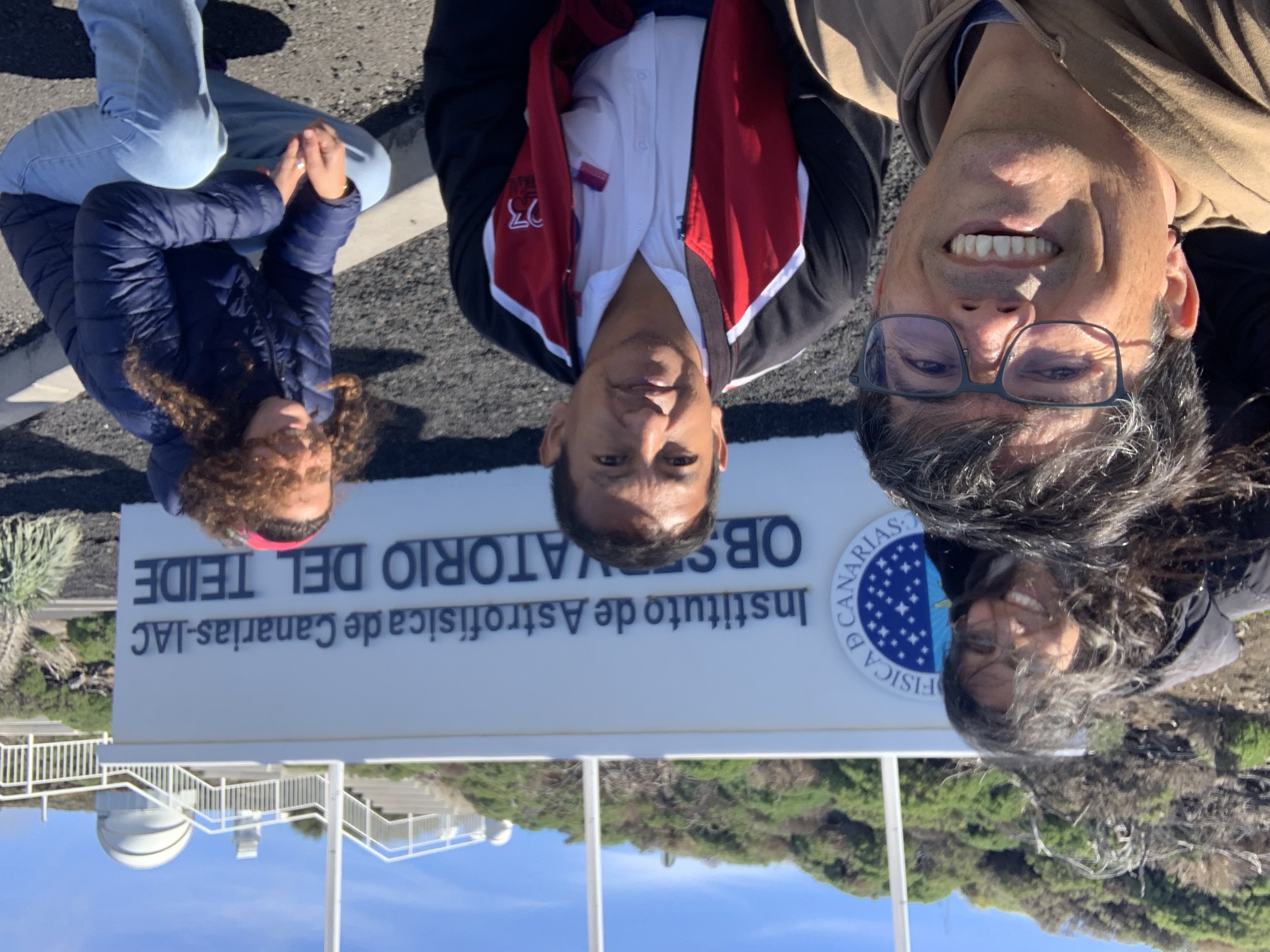
During my time in Tenerife, I was fortunate to join Sergio on several memorable activities, including a wonderful visit to the Teide Observatory. In addition to touring the observatory site, we explored the Teide National Park, an incredible volcanic landscape with breathtaking views. We concluded the excursion with a visit to the coastal town of La Candelaria, another beautiful stop on the island.
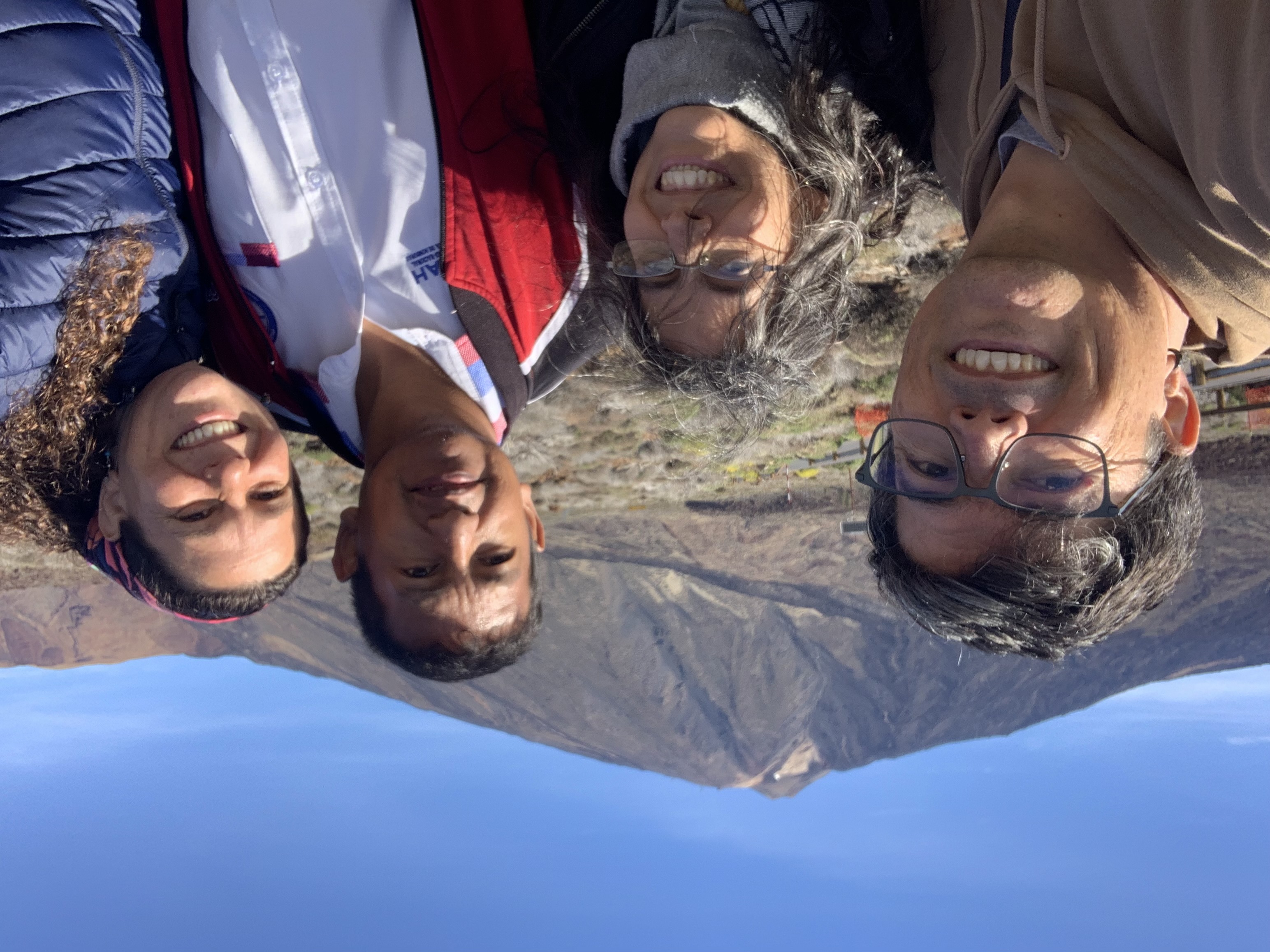
Throughout my stay, I got to know the historic city of San Cristóbal de La Laguna, as well as many other well-known locations across the island, including Santa Cruz de Tenerife, La Orotava, Puerto de la Cruz, and Garachico. Beyond the beautiful beaches found in these cities, I also visited the Anaga Natural Reserve, where I explored both its hiking trails and quaint local villages.
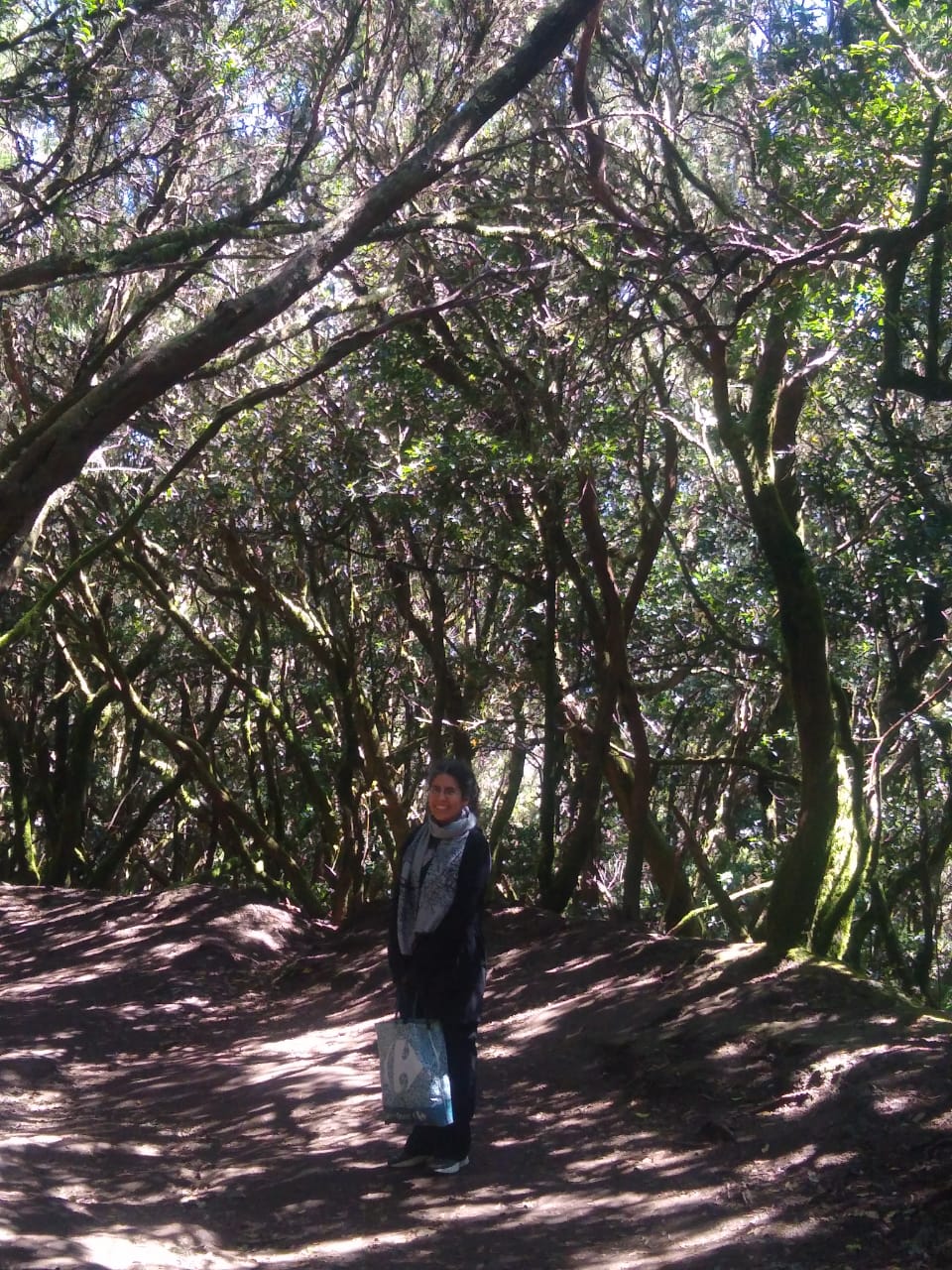
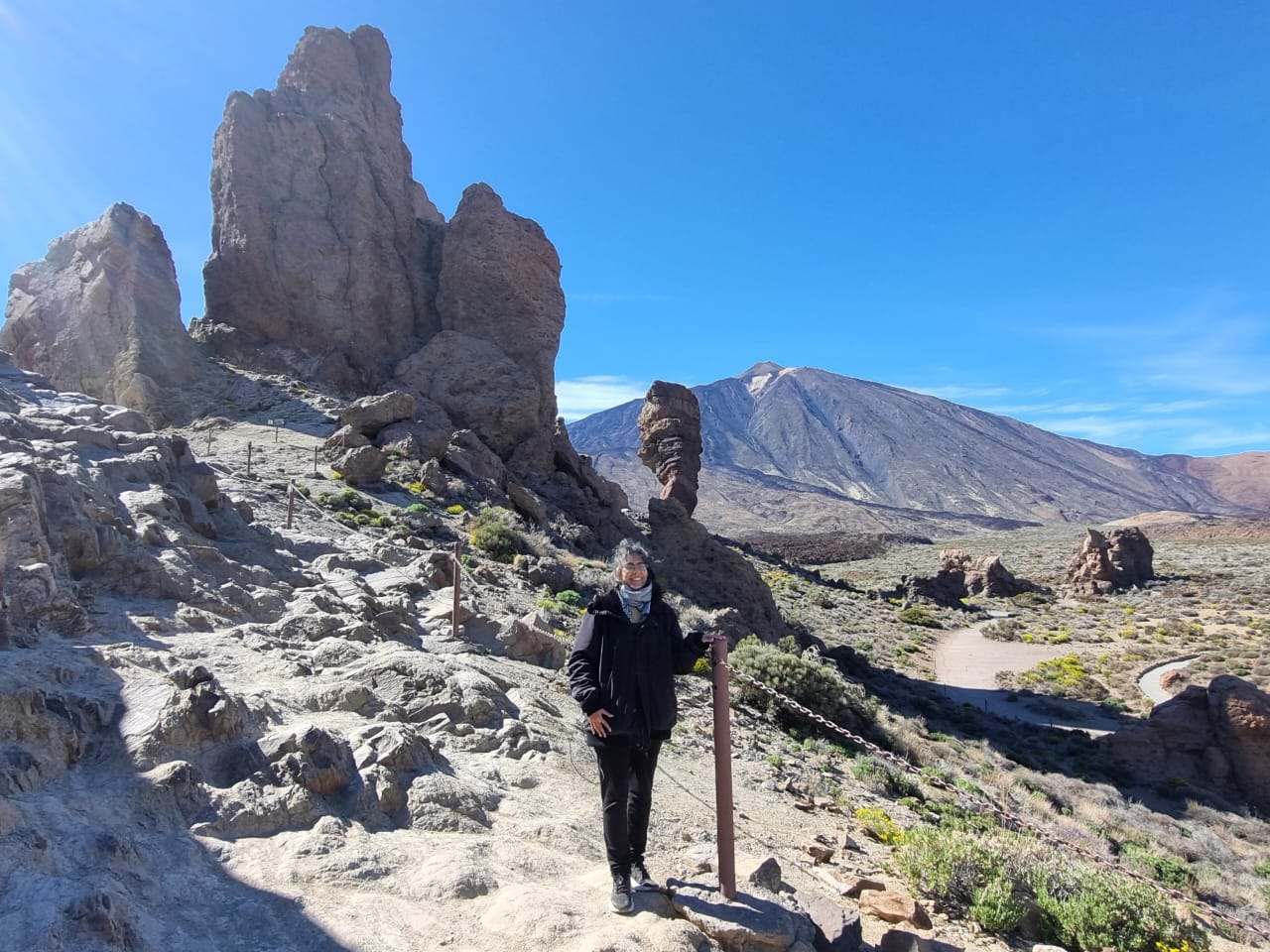
All in all, this secondment was a truly wonderful experience. Tenerife is an incredible location, and everyday life at the IAC was both scientifically enriching and enjoyable. I felt warmly welcomed by everyone I met, and I am deeply grateful for the opportunity to carry out this visit.
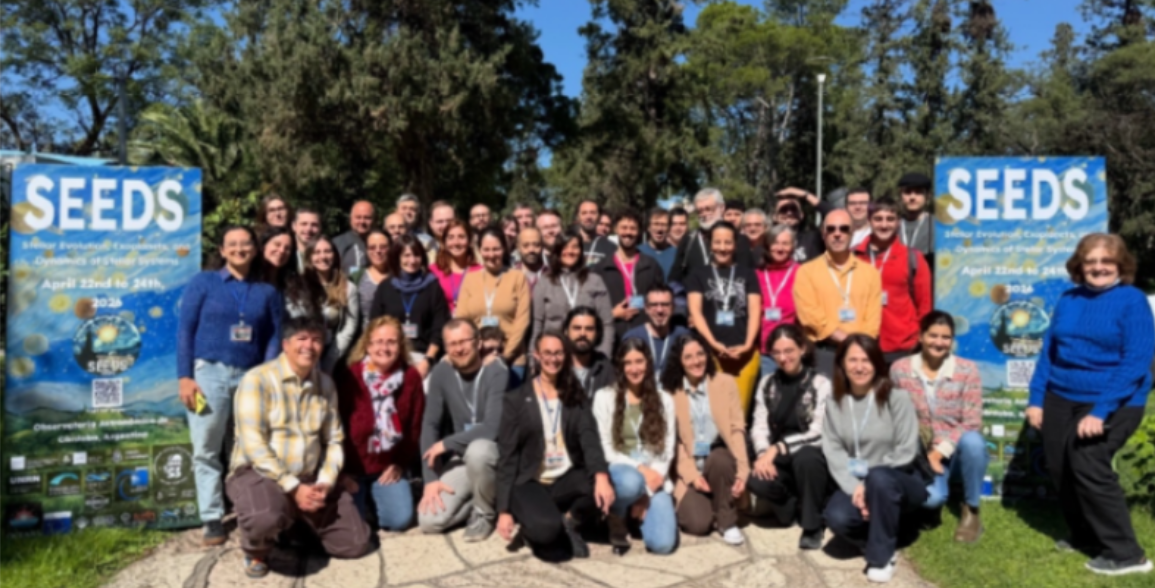
From April 13 until May 12 2026 I had the excellent opportunity to have a secondment to Observatorio Astronómico de Córdoba (OAC), Argentina, hosted by the group of Dr. Andrea Ahumada. We collaborated to investigate the winds of Wolf-Rayet stars (WRs) and Luminous Blue Variables (LBVs). In particular, we focused our analysis on WR31a, an LBV likely on its way to becoming a hotter WR. My secondment was also planned around the OCEANS Mid-term Meeting and the Stellar Evolution, Exoplanets, and Dynamics of Stellar Systems (SEEDS) conference, where stellar astrophysicists from all over the world were present, including specialists in high-mass stars and members of OCEANS -- many of whom I have not previously met in person. Through it, many scientific discussions, projects, proposal ideas, and collaborative works were established.
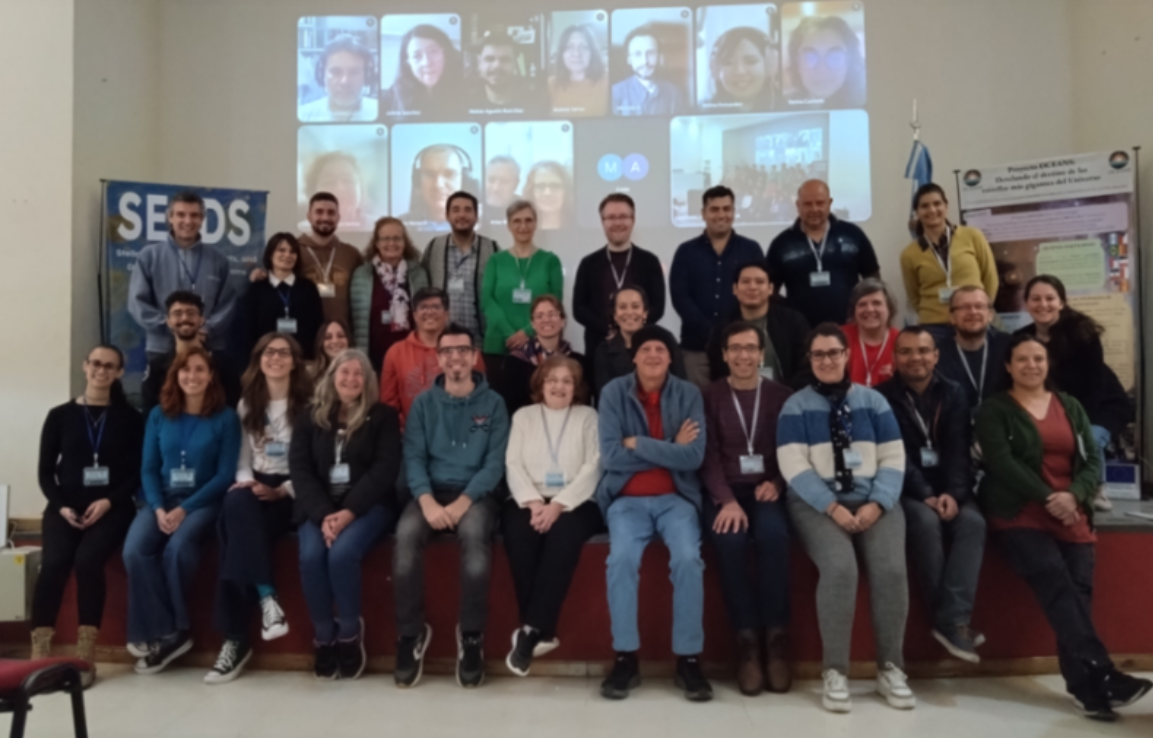
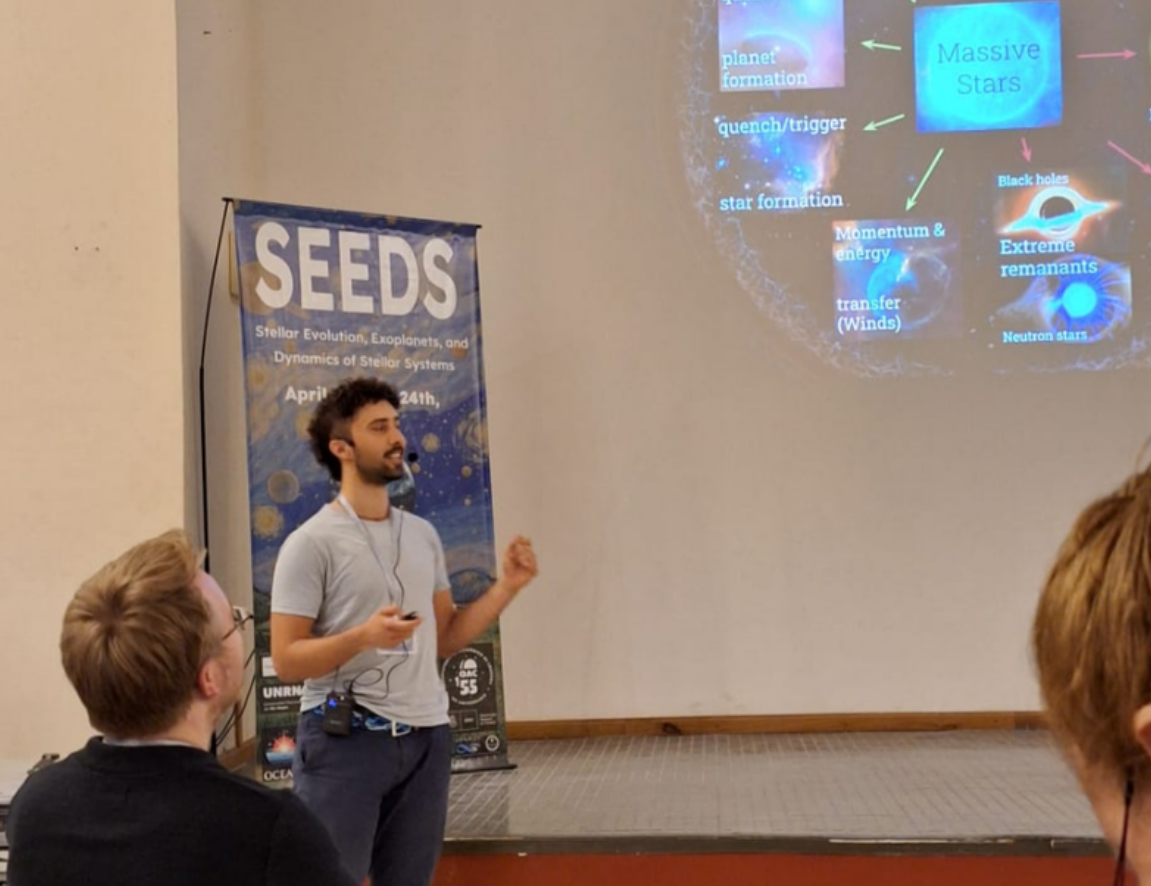
At SEEDS, I had the opportunity to present my work on blue hypergiants and LBVs, which led to fruitful discussions with other experts in hypergiants and LBVs (such as Dr. Michaela Kraus and Dr. Olga Maryeva, who were also on secondment in AOC at the time), resulting in project ideas.
During the secondment, Dr. Andrea Ahumada, Tomás Krilich (PhD student from her group), and I collected new spectroscopic data of WR31a to verify and quantify changes in its physical properties over time. We wrote a proposal and were awarded 3 nights at CASLEO observatory to collect optical spectra of the star. The analysis of such a transition-phase object is fundamental to understanding how massive stars evolve and shape the Universe.
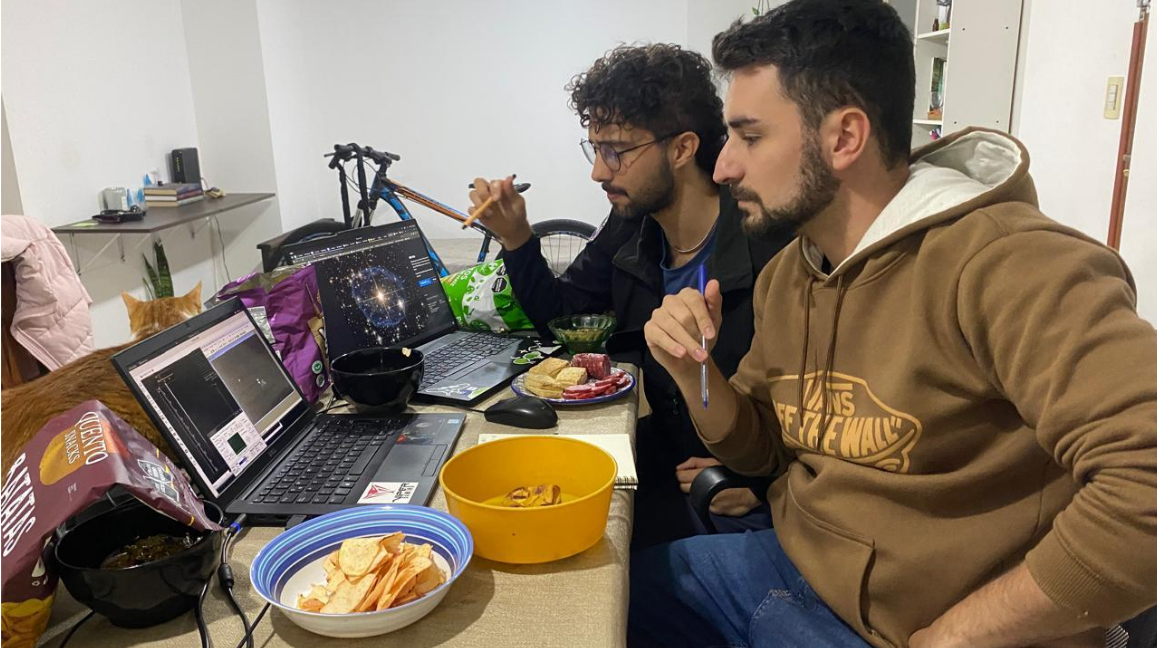
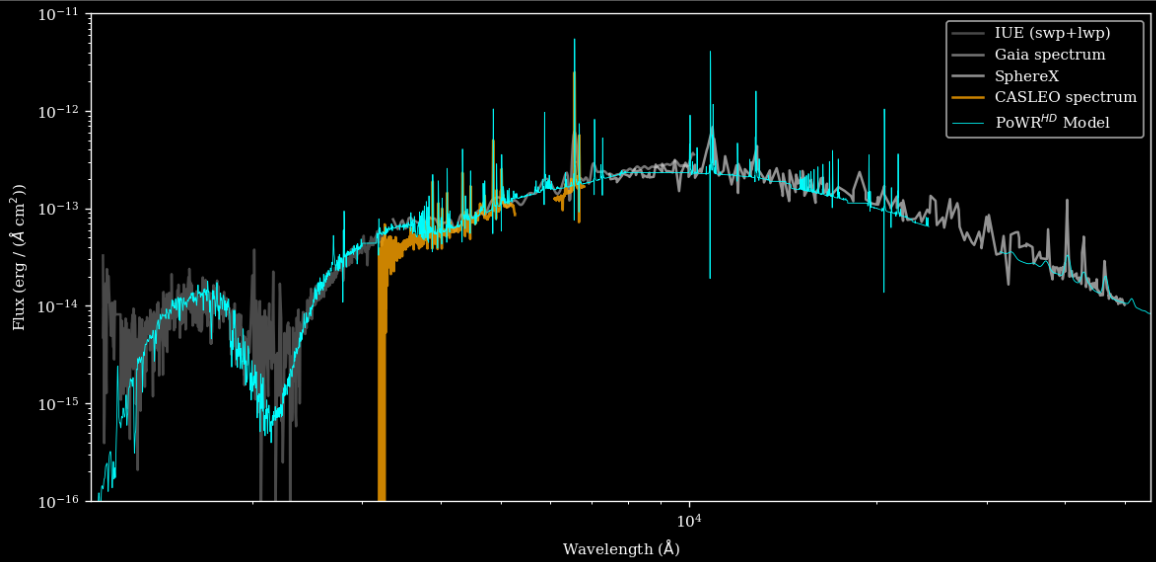
Through this project, I gained valuable observational experience; namely, I learned how to operate CASLEO for spectroscopic acquisition. This perfectly complements my theory- and model-focused experience in spectroscopy.
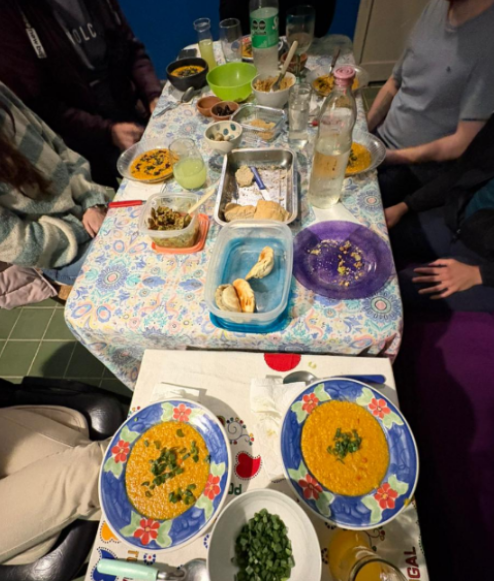
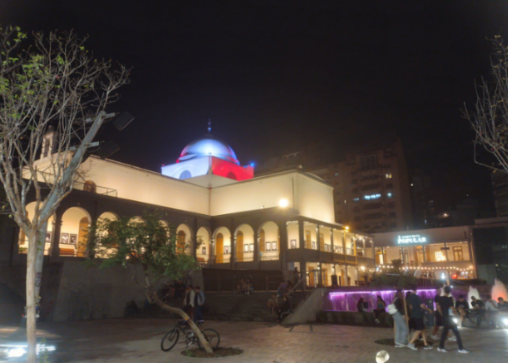
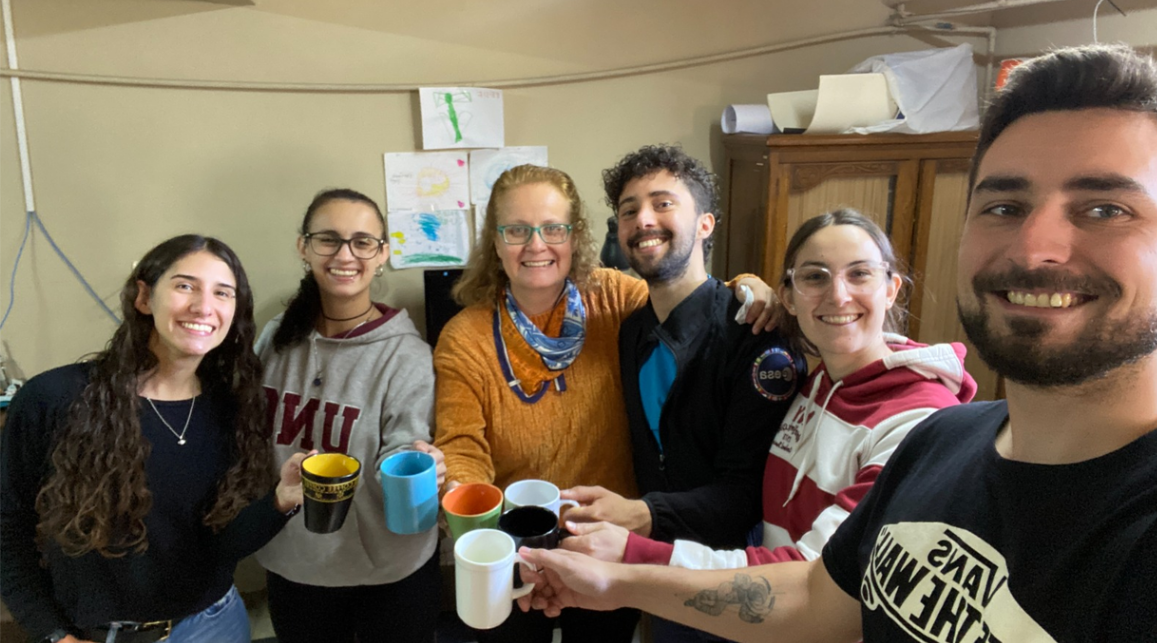
Outside of my scientific work, the trip to Cordoba was very culturally enriching to me. Despite being originally from Brazil, I never had the opportunity to travel to Argentina (and other regions of South America) before. The social events and outings after work and sometimes on weekends with students and professors from OAC were a very enriching experience. There, I got to know more about the city, the country, its history, and typical food. I am very grateful for the opportunity offered by OCEANS and look forward to future collaborations enabled by this program.
Within the frame of the OCEANS project, I spent one month at the Observatorio Astronómico de Córdoba. Although I have been to Argentina many times, this was my first visit to Córdoba, home to Argentina's oldest university, the Universidad Nacional de Córdoba.
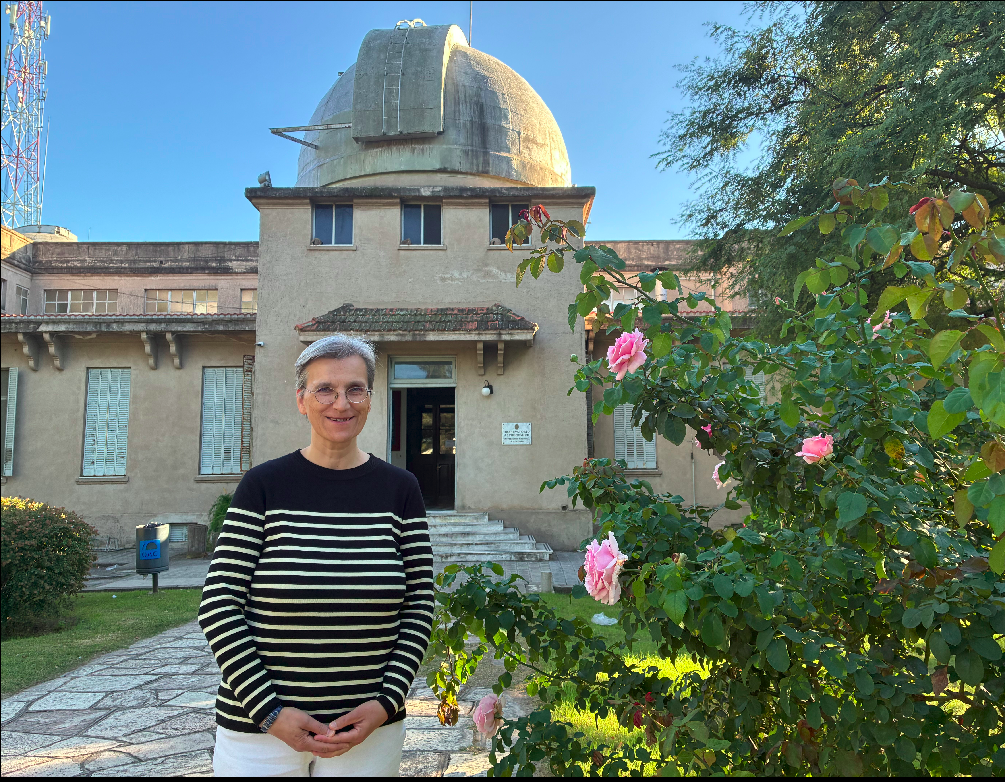
During my stay, the OCEANS team held their 2-day Mid-Term-Meeting (20-21 April) that I had co-organized together with the individual institutional OCEANS PI's and the local team in Córdoba. During this event, I reported about the implementation of the OCEANS project regarding "Training, Transfer of Knowledge & Networking" and "Management", and we also saw the first trailer of a planetarium show that is currently prepared at our partner institute Universidad Nacional de La Plata (UNLP) in the frame of OCEANS. Afterwards, I was interviewed by Vicky Rubinstein from the Communications team at the Astronomical Observatory of Córdoba, and this outreach activity was published on the webpage of OAC.
Later in the same week (22-24 April), I attended the conference Stellar Evolution, Exoplanets and Stellar System Dynamics (SEEDS), where I presented an invited talk on April 24 with title "Environments of massive stars as a tracer of evolution and binarity". During this entire week, I had plenty of discussions with OCEANS team members and other researchers participating at the conference. Furthermore, I was invited to present a seminar talk for students and research staff at UNC-OAC. This seminar, with title "The mysteries of evolved massive stars: pulsations, outbursts, and circumstellar matter", took place on May 4.
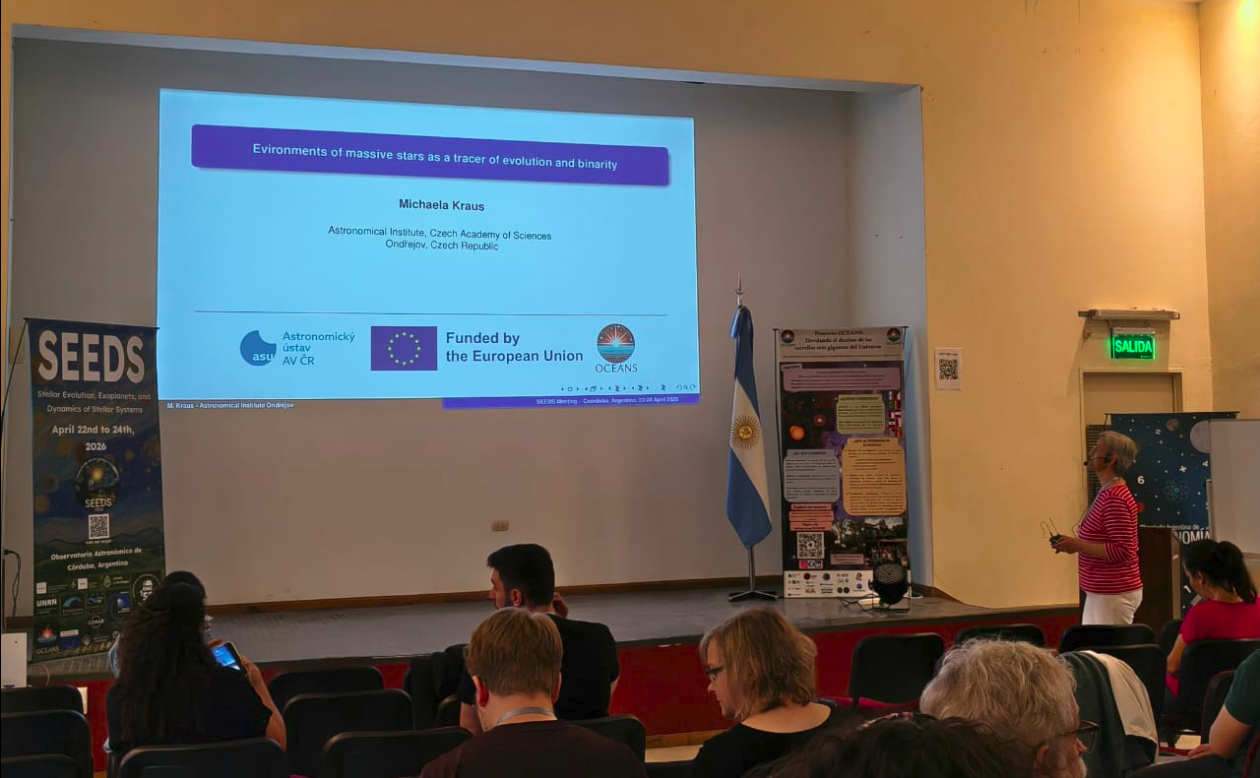
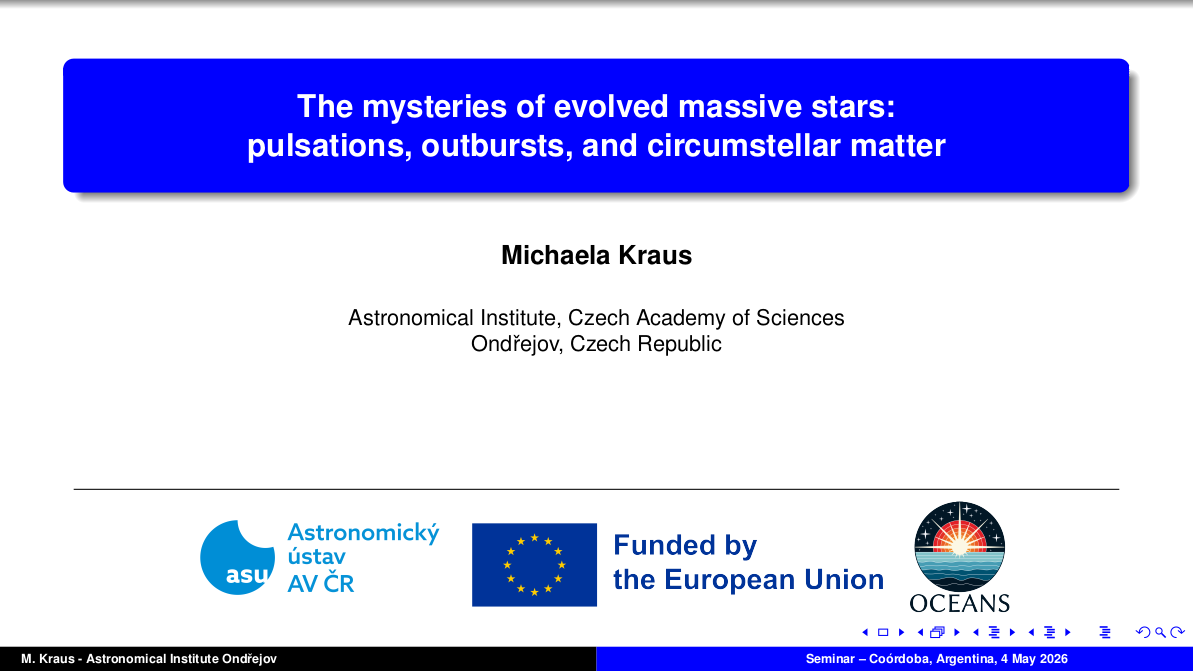
Regarding science, I had many fruitful discussions with Dr. Andrea Ahumada and her PhD student Tomas Krilich on Wolf-Rayet star studies. I also discussed with Dr. Leticia Ferrero on the analysis of radio observations of the large-scale molecular environments of B[e] stars obtained with the ESO/APEX radio interferometer and with Dr. Leila Saker on the analysis of Fabry-Perot integral-field unit observations of the nebula of Herbig Ae/Be stars. Both projects had been started during the visits of Leticia and Leila at ASU and are now in their completion state.
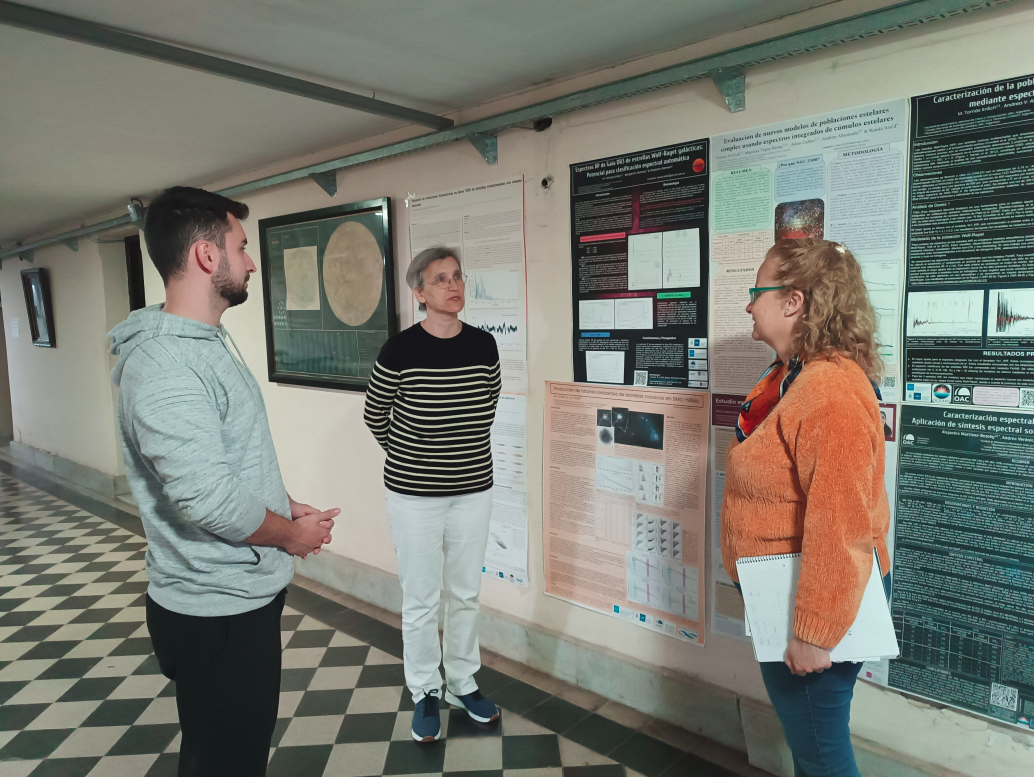
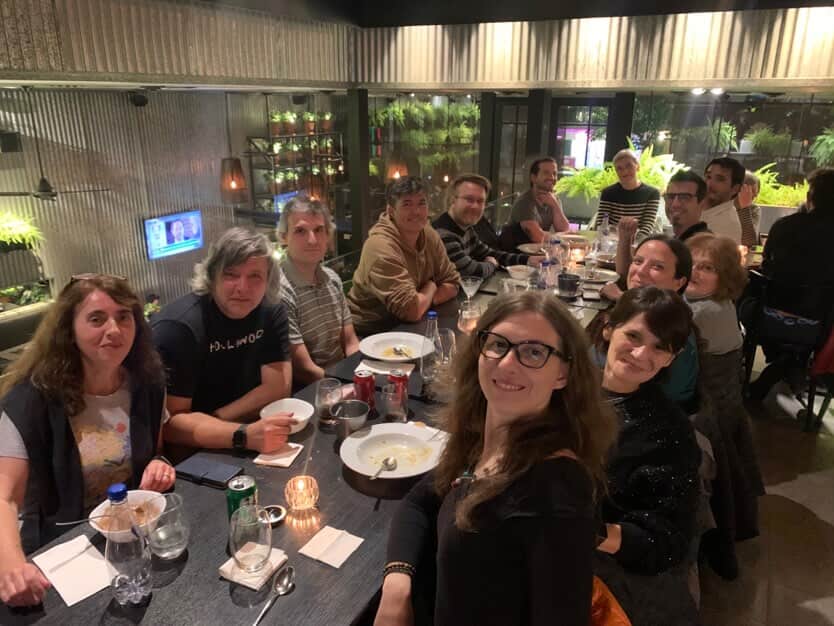
Moreover, I had the opportunity to initiate with the director of OAC, Prof. Mercedes Nieves Gomez, and Dr. Luciano Garcia new collaboration projects involving GEMINI facilities, to which researchers at UNC-OAC have access, to study the ejecta and nebulae of evolved massive stars at infrared wavelengths. We also discussed the possibility of using machine-learning approaches to harvest the avalanche of new observational data expected with the upcoming new space telescopes to identify and cassify massive stars in diverse evolutionary states.
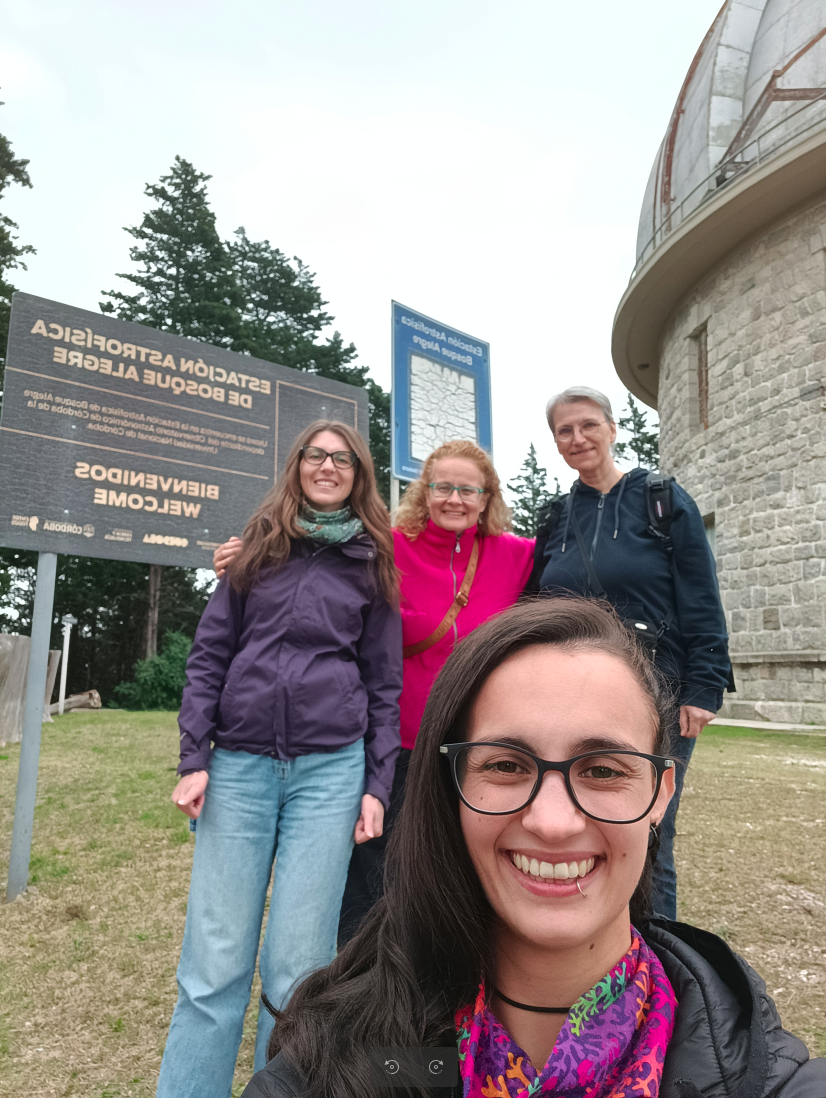
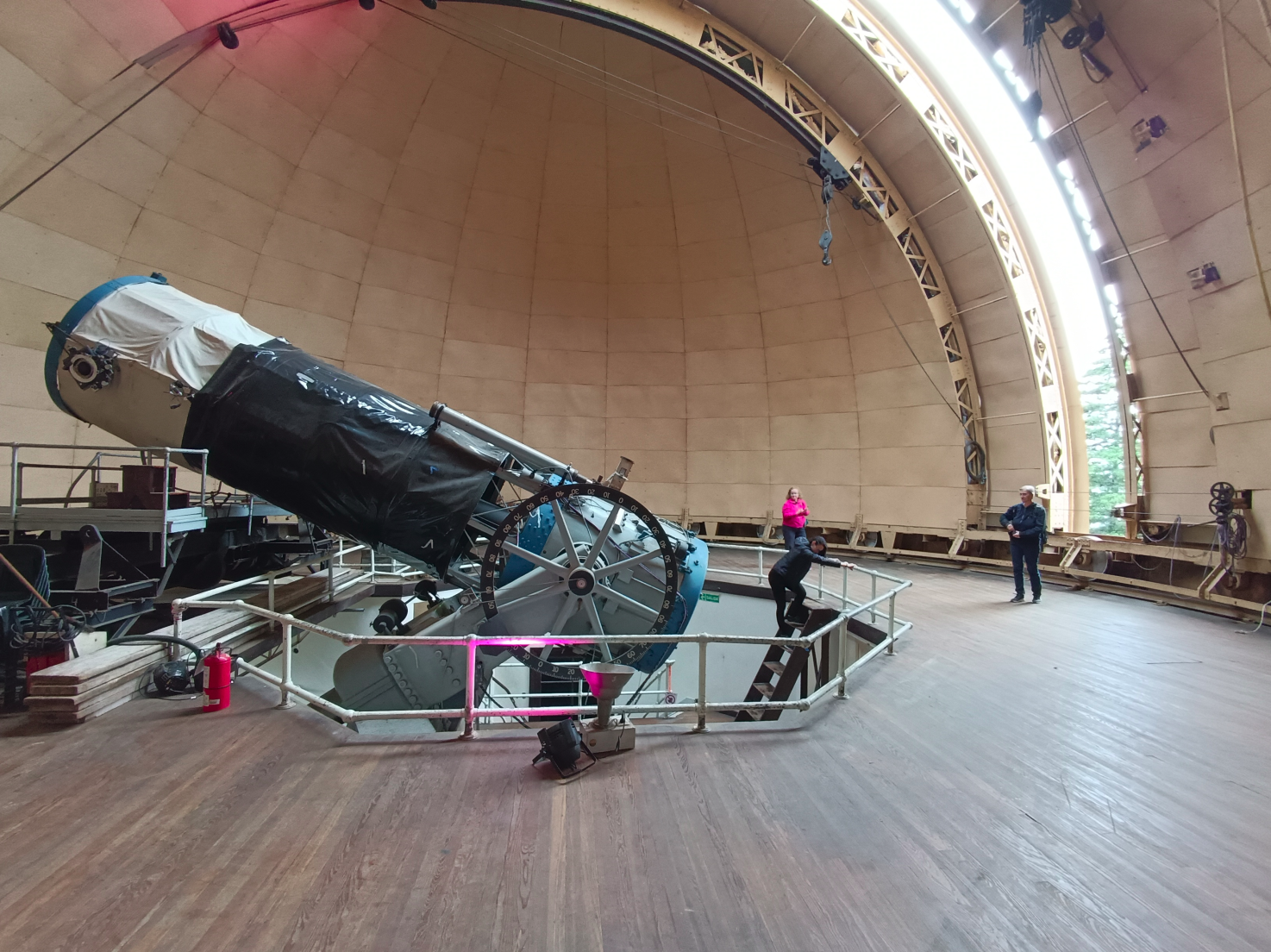
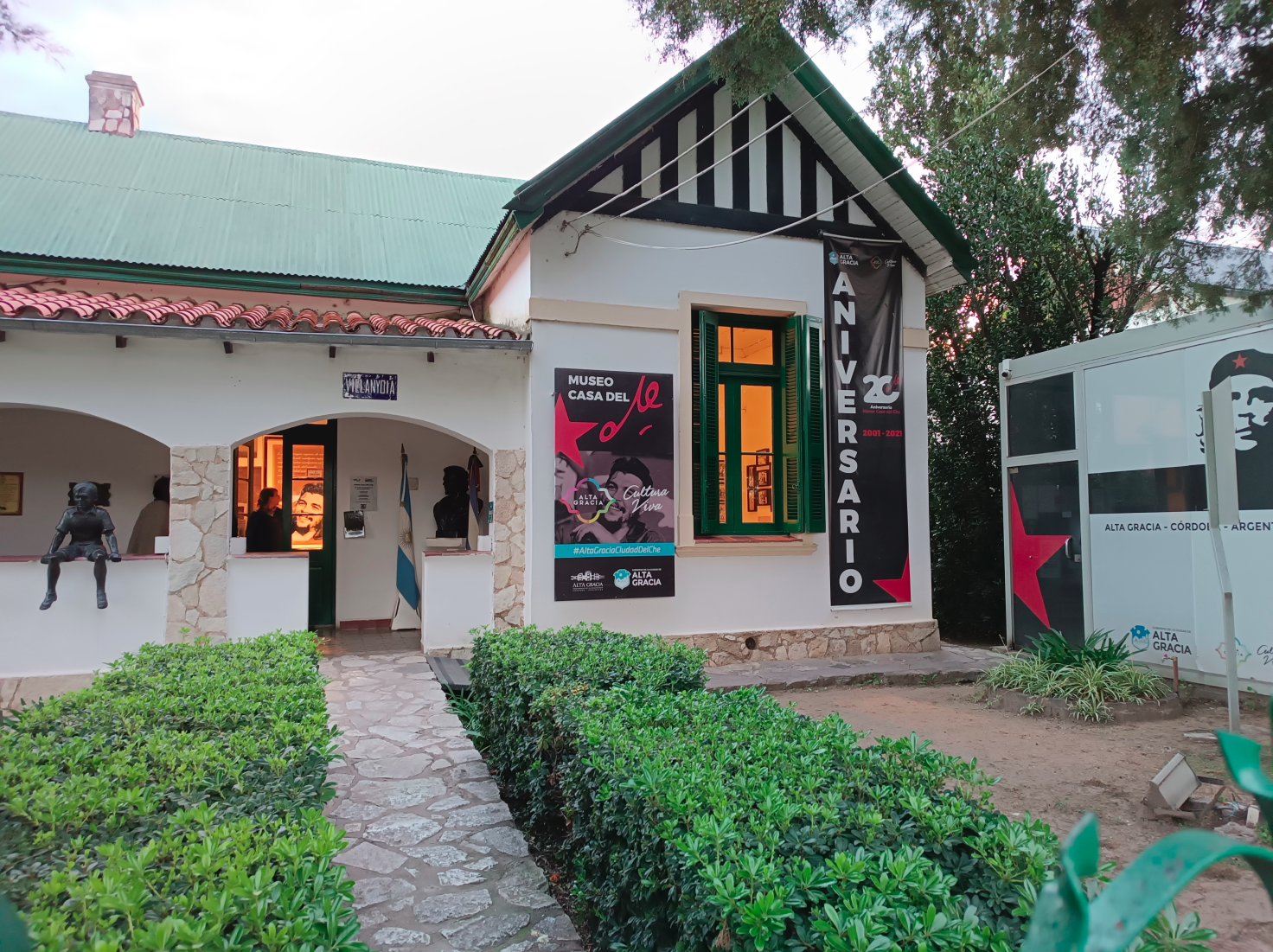
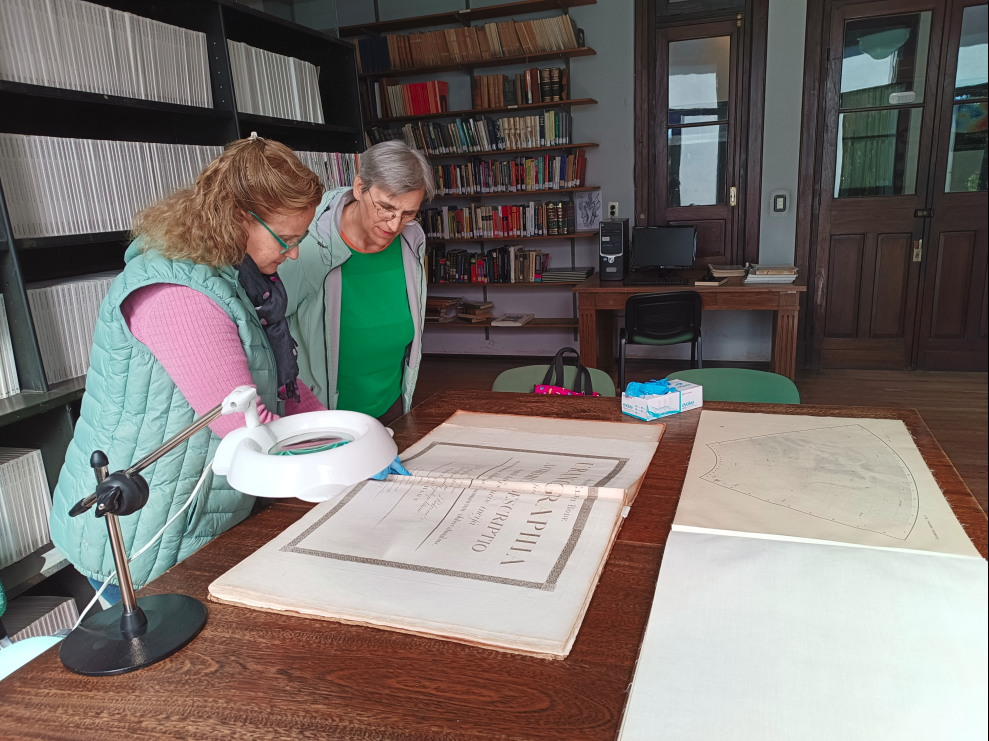
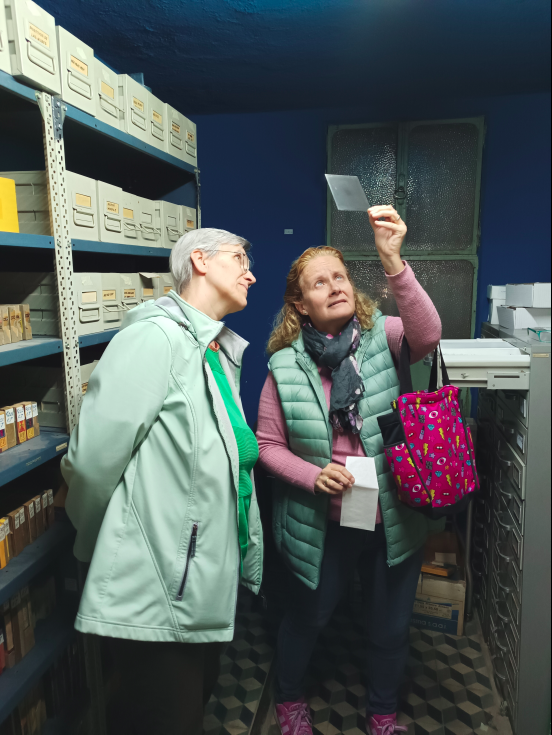
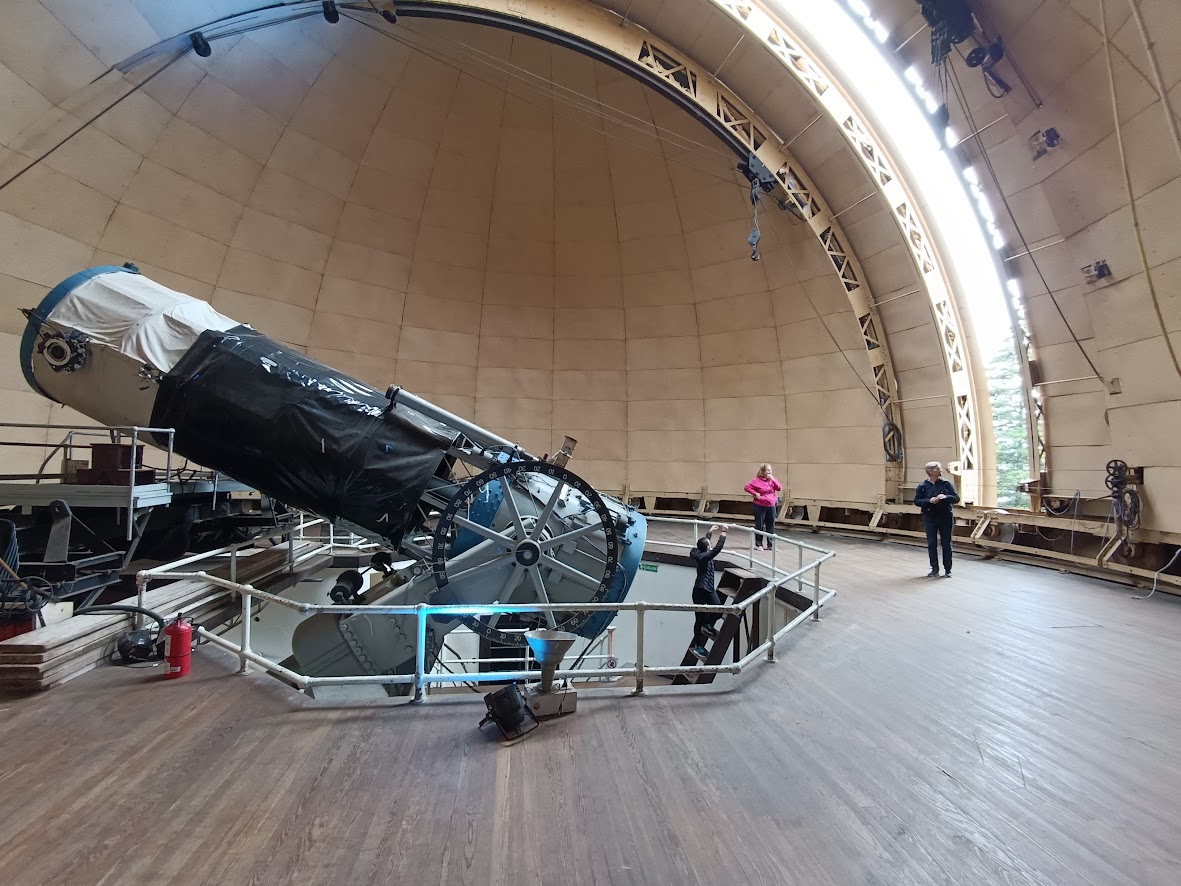
Besides work, Andrea Ahumada and Alejandra Martinez-Bezoky provided a guided tour through the Bosque Alegre Observatory, where we saw the 1.54-m telescope as well as a fortune of historical documents and books. We have spent a wonderful day together visiting the Observatory as well as the near-by city Alta Gracio, where we visited a Jesuit Estancia and the Che Guevara museum. Andrea showed us also the historical instruments at OAC and the library of the observatory with many historical books, sky atlases, and a huge collection of photographic plates.
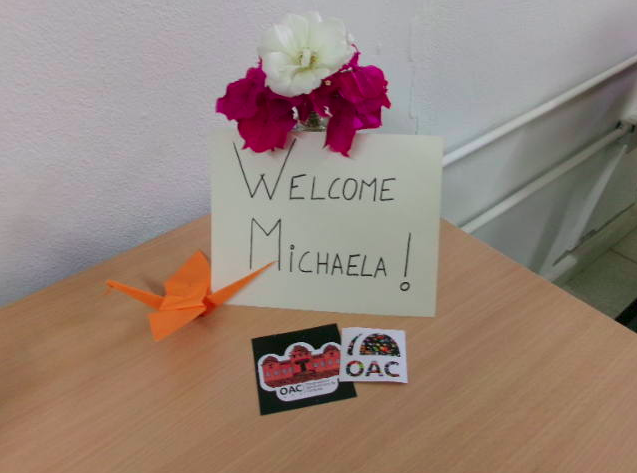
I am grateful for the warm hospitality with which I was welcomed by all colleagues at the OAC. I felt very comfortable in this welcoming environment, which made my visit an unforgettable experience.
I spent one month (5 April – 4 May 2026) at the Observatorio Astronómico de Córdoba. This secondment at UNC-OAC provided a great opportunity to meet colleagues from Córdoba, as well as researchers from other institutes who were visiting Córdoba for the OCEANS mid-term consortium meeting.
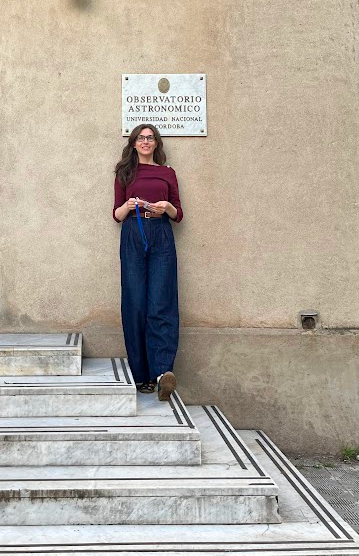
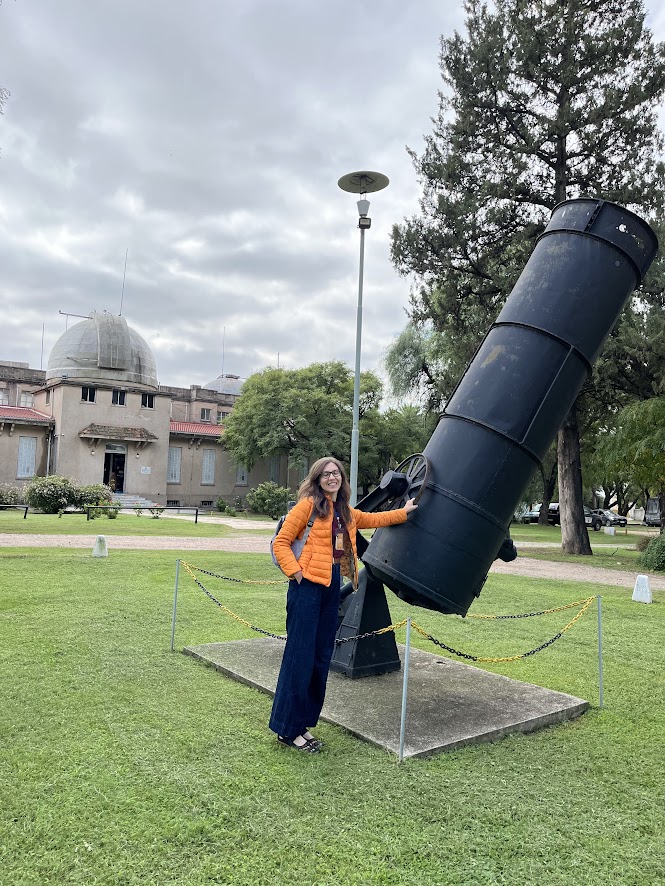
I had the opportunity to get to know Dr. Andrea Ahumada and her students, Tomas Krilich and Alejandra Martinez-Bezoky, who started their PhD studies this year. I was particularly pleased to hear that Tomas is interested in Wolf–Rayet (WR) stars. We discussed the search for new WR stars in large surveys and the study of newly discovered objects. I also helped Tomas to install the CMFGEN code for modeling the atmospheres and winds of WR stars. We plan to continue this collaboration, and I will further assist Tomas in learning how to use CMFGEN during his future visit to ASU. During our conversations with Andrea, our discussions ranged from current research topics to the history of the observatory. One day, Andrea provided an insightful excursion to the observatory library. She also organized a visit to the Bosque Alegre Observatory, while Alejandra showed us the 1.54-m telescope in motion.
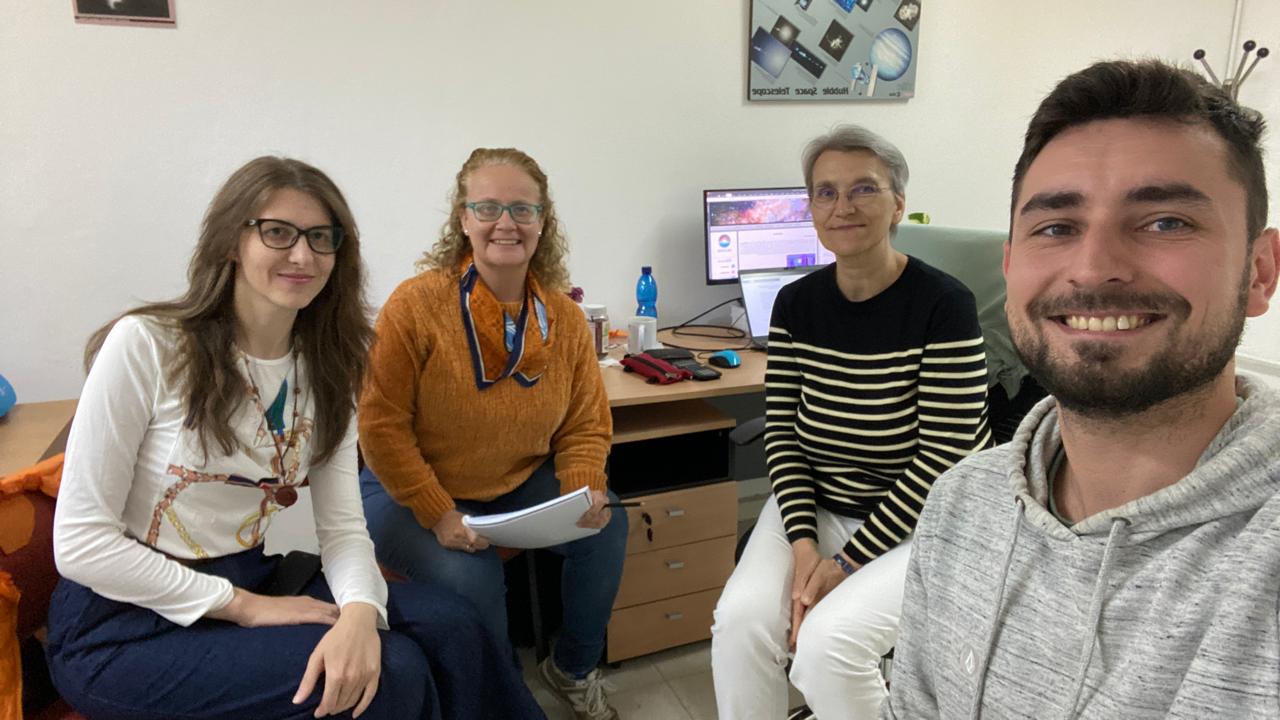
With Dr. Saker we discussed progress and outlined the next steps in the work, which she started during the secondment to ASU. With Dr. Leticia Ferrero we had many heartfelt conversations on topics beyond science. I am very grateful to Leticia for her help with various day-to-day matters during my stay.
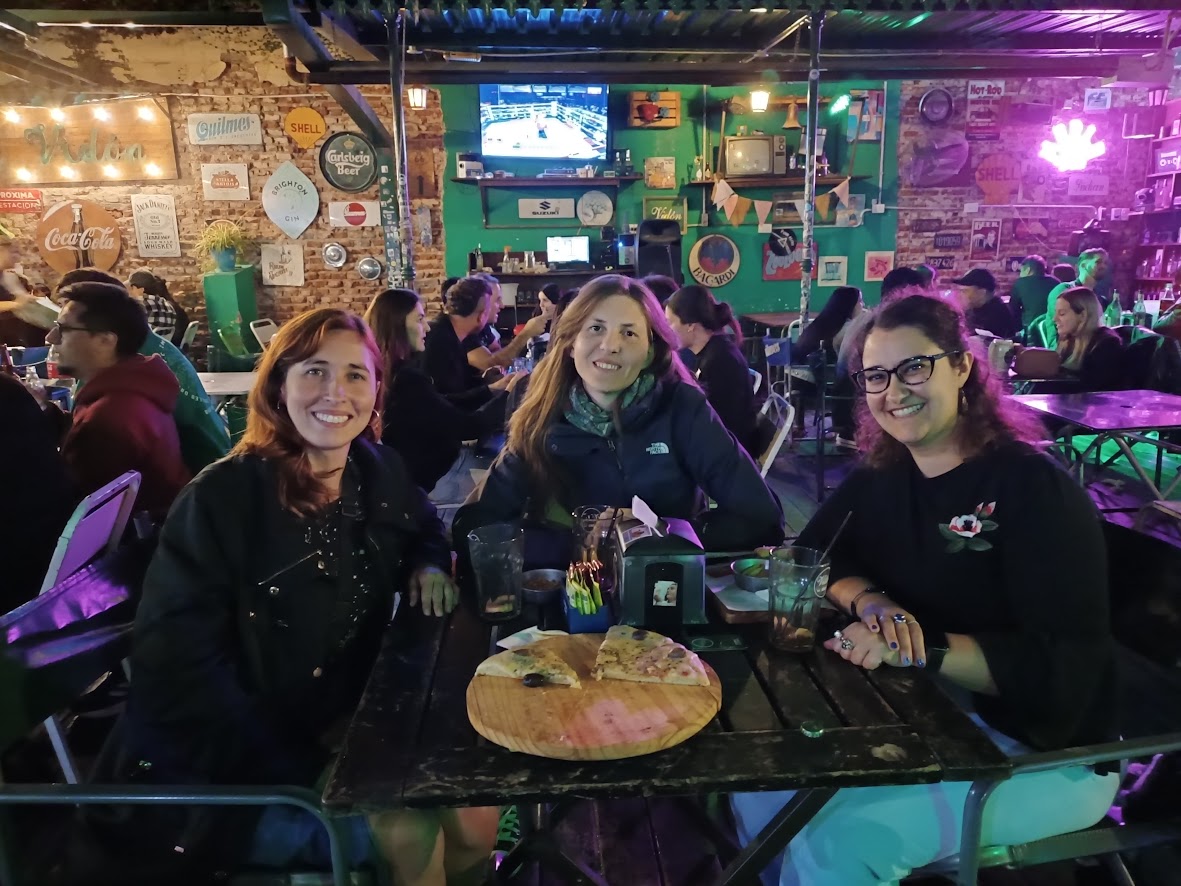
First week of my secondment coincided with international conference “Friends of Friends (FoF) Meeting”, it gave me an overview of the research carried out at the observatory and allowed me to get to know its staff and their expertise. I was glad to briefly talk about flaring stars with Dr. Cintia Fernanda Martinez and Dr. Romina Paola Petrucci. At the FoF conference I presented a talk "Nebulae as footprints of stellar interaction and evolution".
The second part of my secondment included our OCEANS mid-term meeting and the associated workshop, “Stellar Evolution, Exoplanets and Stellar System Dynamics (SEEDS)”. Many thanks to the organisers of it – thanks to friendly atmosphere and the quality of the scientific content, this conference will remain a lasting memory. At the SEEDS I presented a talk “Spectral mimicry of stellar winds: massive stars and their low-mass counterparts”.
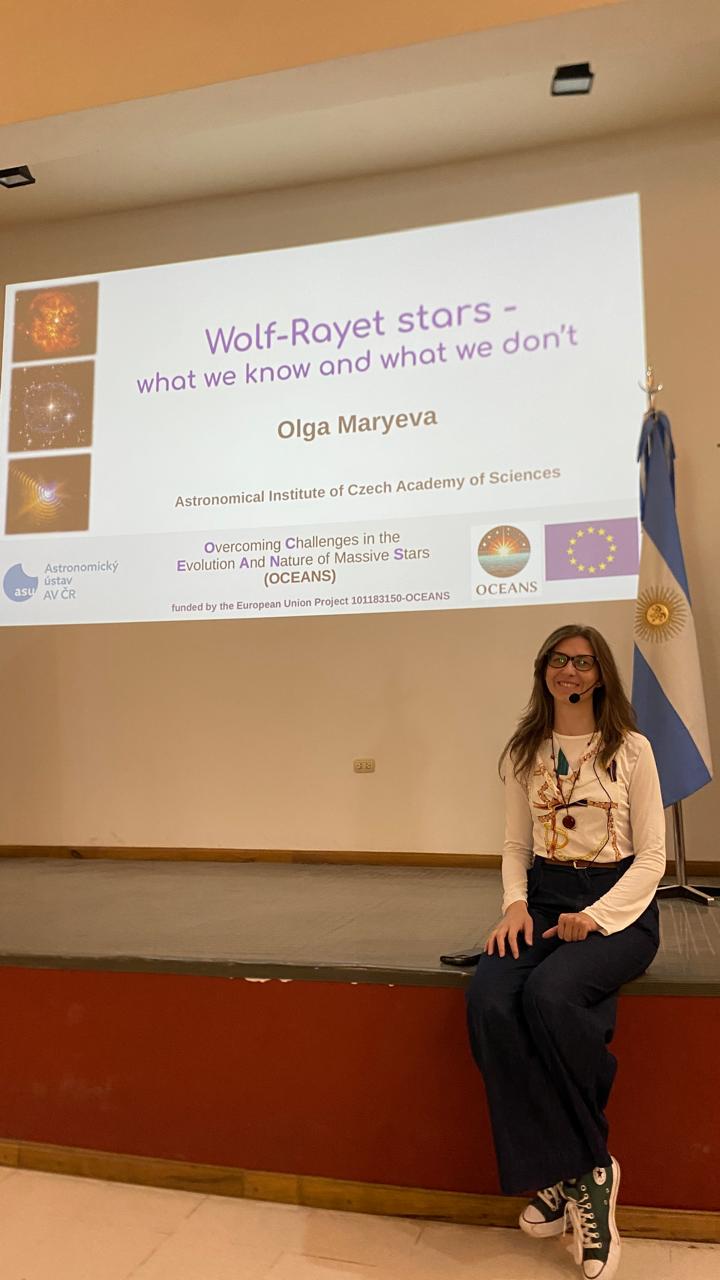
And in the end of my secondment on April 29, 2026, I gave a seminar entitled “Wolf–Rayet Stars: What We Know and What We Don’t” for students and staff of the UNC-OAC. The talk covered both the history of WR star researches and current open questions related to this final stage of massive stars evolution.
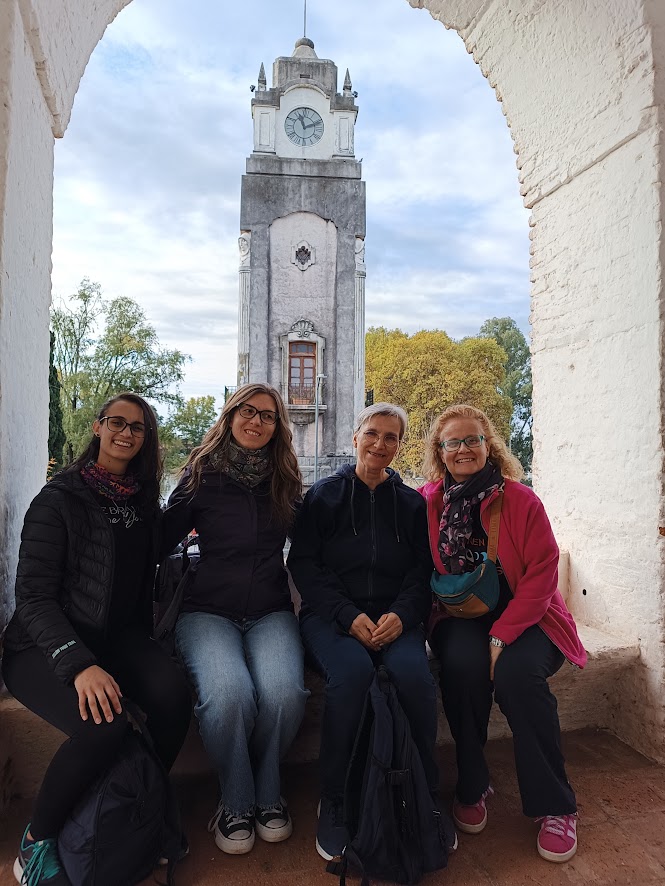
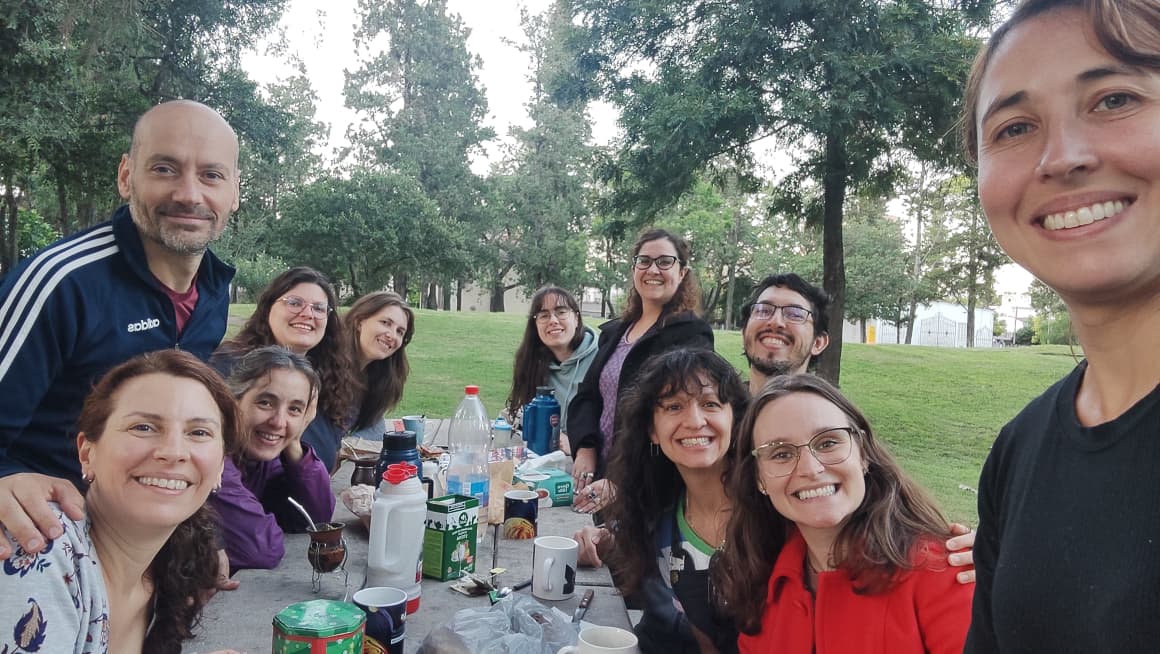
I really enjoyed the atmosphere at UNC-OAC – the wonderful colleagues were open to common projects and always ready to help. There’s also a beautiful park with a variety of trees and birds. And the old buildings of observatory are in excellent condition. I would like to thank Director Prof. Mercedes Nieves Gomez for the warm welcome and all the lovely people I met in Córdoba.
The objective of my secondment at the Instituto de Astrofísica de Canarias (IAC) was to establish a collaboration with the massive stars research group at that institute.
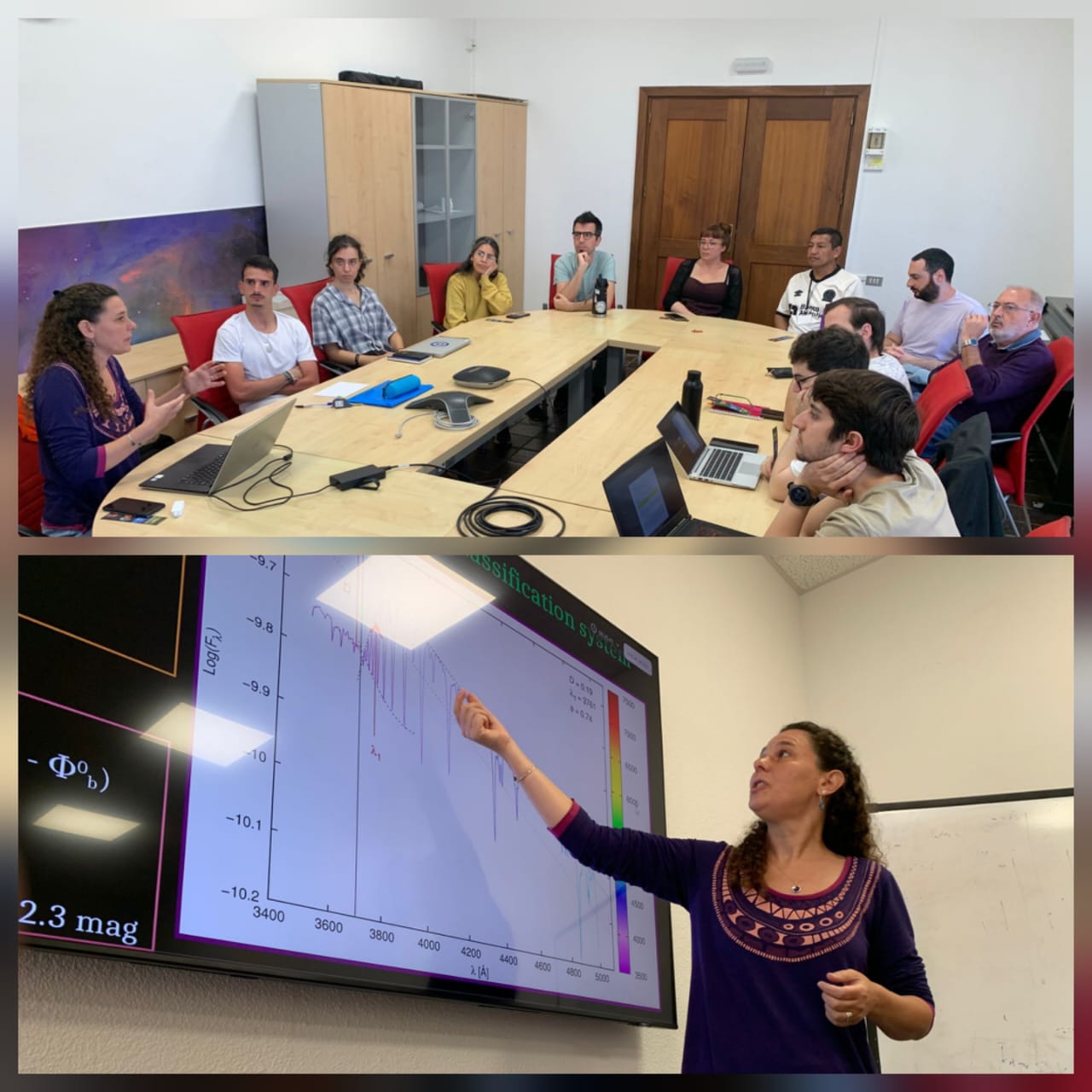
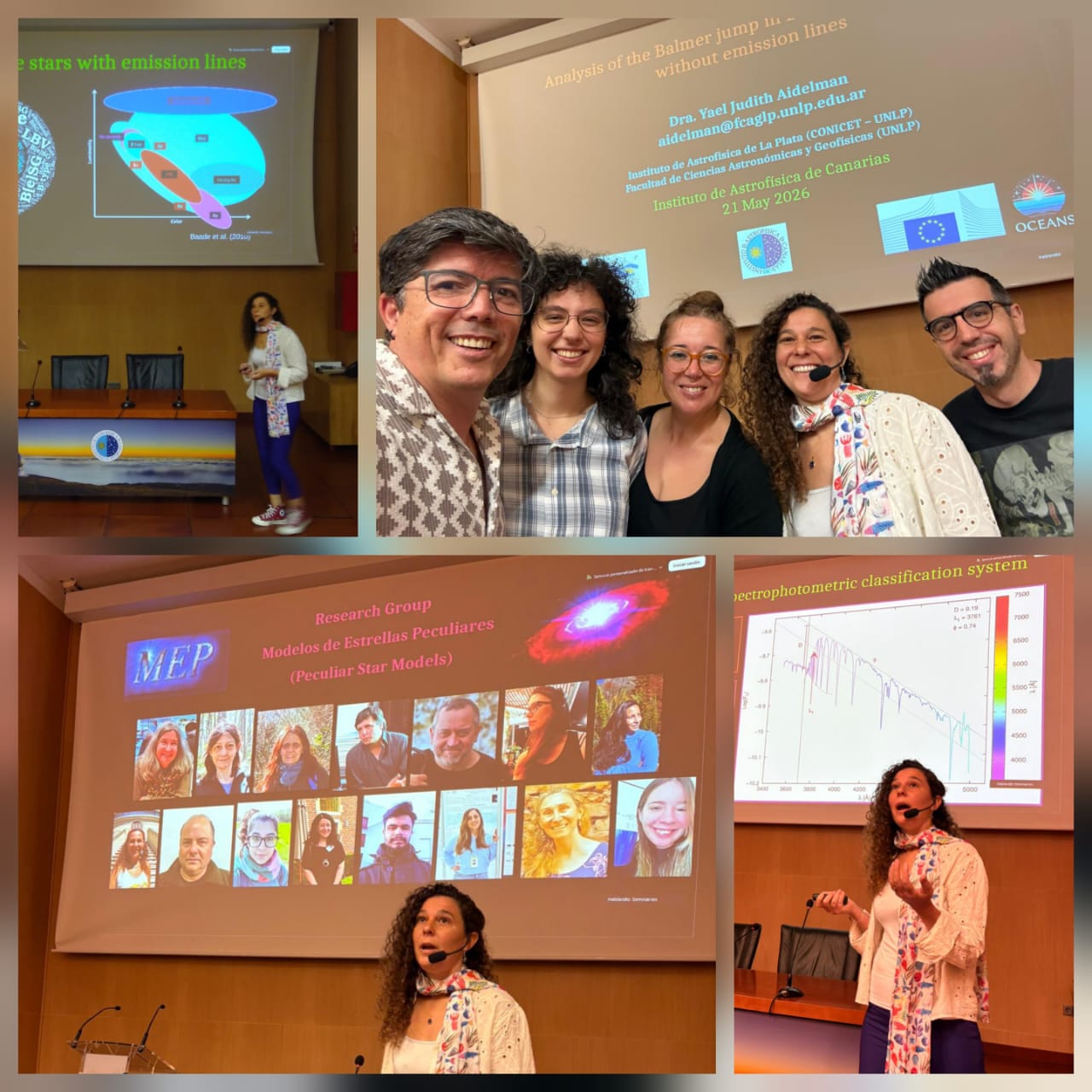
Within the framework of the IACOB project, quantitative spectroscopy is used to determine the effective temperature (Teff) and surface gravity (log g) of OB stars. The relative intensities of the Si III and Si IV lines are the best indicators of Teff. However, these lines are characteristic of early B- type stars; therefore, determining the Teff of late B-type stars becomes a significant challenge. In this context, the goal of my visit to IAC was to evaluate the feasibility of using the BCD spectrophotometric classification system as a complementary tool to quantitative spectroscopy for determining the Teff of late B stars, as well as those exhibiting the Be phenomenon. As a first step, we prepared and submitted two observing proposals. The first one requested service nights to evaluate the viability of using the ALFOSC spectrograph, mounted on the Nordic Optical Telescope (NOT), for the analysis of the Balmer jump; this proposal was approved and observations are currently underway. The second proposal requests Spanish regular observing time to observe a set of B-type stars for scientific analysis.
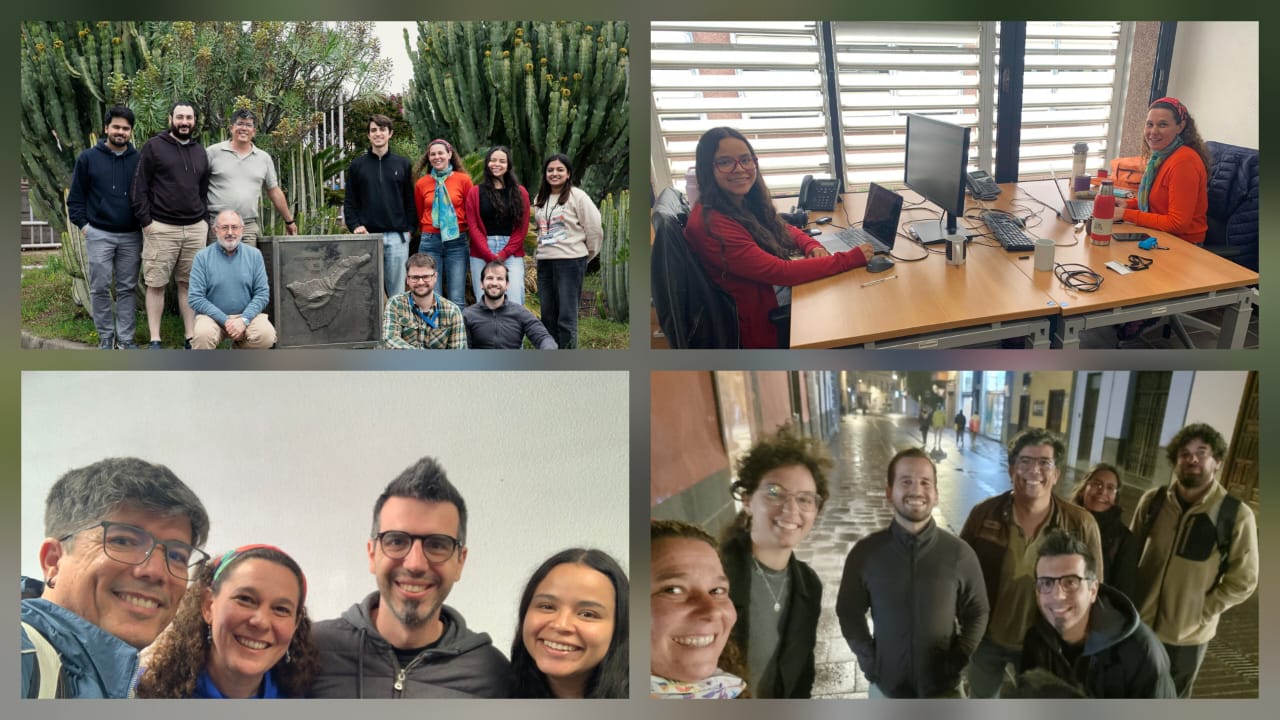
During my stay at the IAC, I gave a talk during the weekly group meeting cycle explaining the BCD method. Additionally, I delivered a seminar where I detailed the method and provided examples of its application. Furthermore, I gave a talk as part of the Severo Ochoa cycle regarding the project for the preservation and digitization of spectroscopic plates currently being carried out at the Facultad de Ciencoas Astronómicas y Geofísicas (FCAG) of the Universidad Nacional de La Plata (UNLP). I also attended the "Día de Nuestra Ciencia" (Our Science Day) conference organized and held at the IAC.
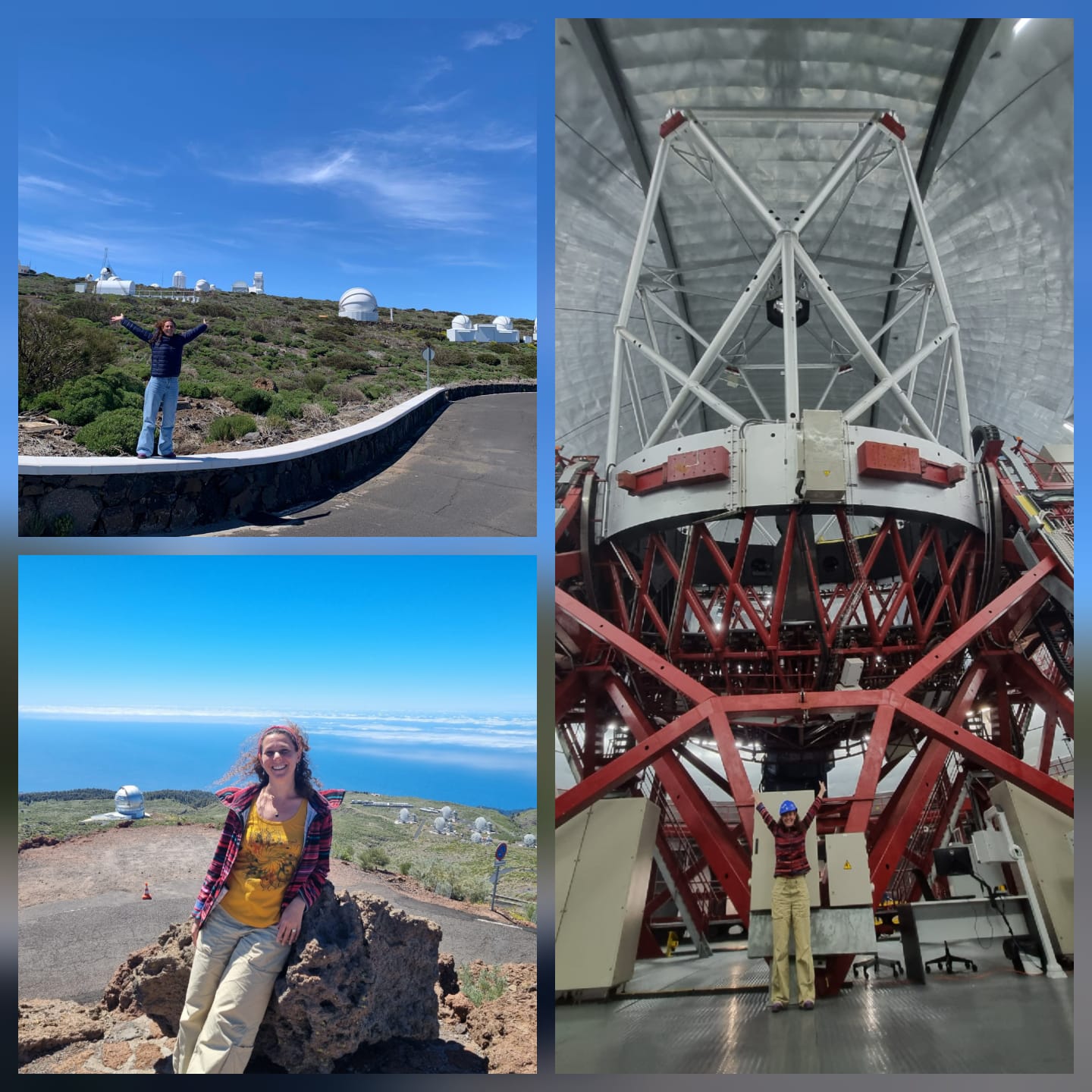
I had the opportunity to visit the Teide Observatory in Izaña (Tenerife), as well as the Nordic Optical Telescope (NOT), the Telescopio Nazionale Galileo (TNG), and the Gran Telescopio de Canarias (GTC) at the Roque de los Muchachos in La Palma. Finally, I took advantage of the weekends to experience the culture of Tenerife, visiting several towns such as San Cristobal de La Laguna, Santa Cruz de Tenerife, Icod de los Vinos, La Orotava, and Candelaria. I also went trekking in Anaga and visited some of the island's beaches.
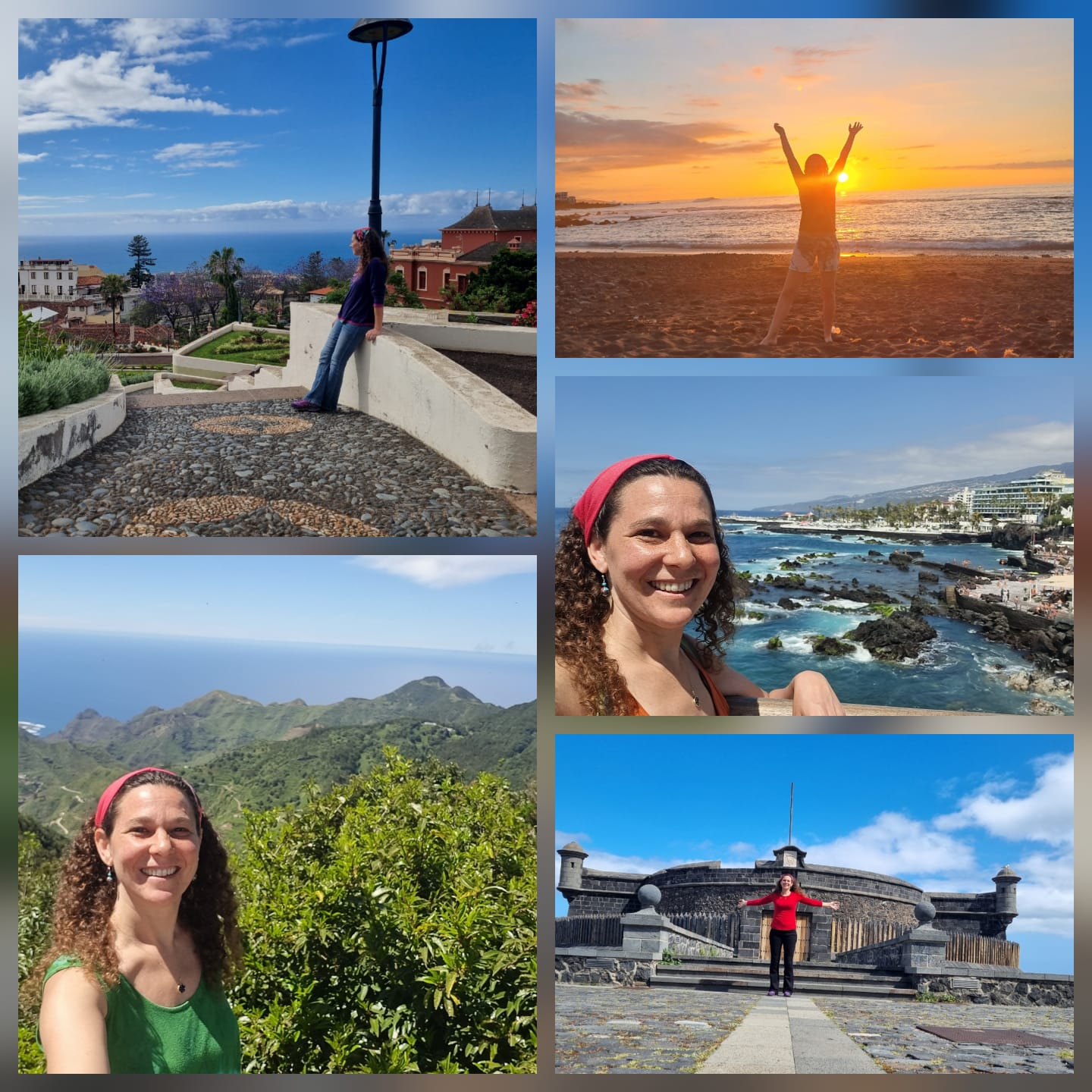
My stay was a very rewarding and comprehensive experience; I felt very comfortable working with Sergio Simón-Díaz and his group, and I was truly captivated by the beautiful landscapes of the island.
I was hosted by Sergio-Simón Díaz at the Instituto de Astrofísica de Canarias (IAC) within the framework of the OCEANS project. I regularly participated in the group meetings, where different ongoing projects were discussed. This gave me the opportunity to gain a broader perspective on the group's research activities and understand the range of problems they are currently addressing.
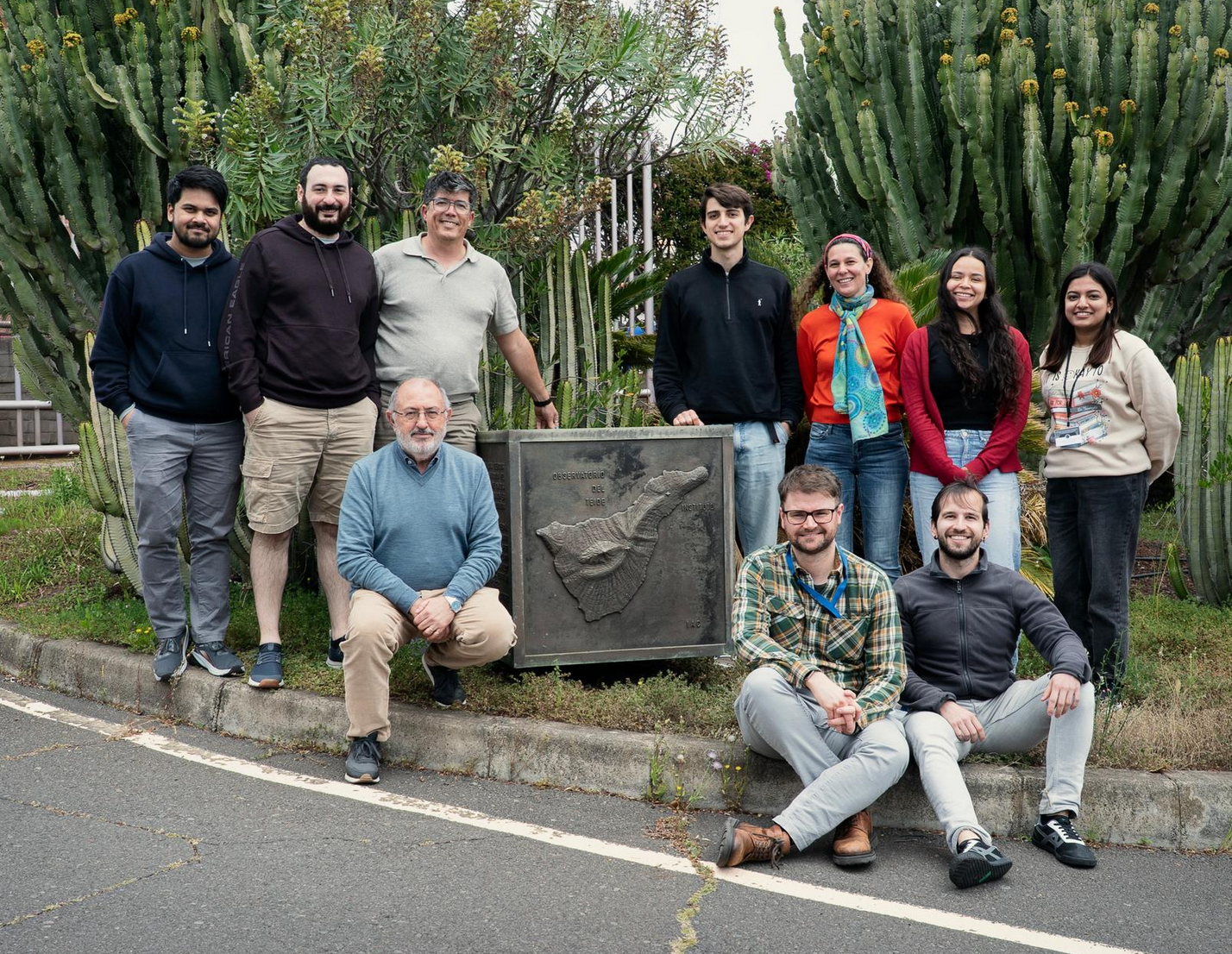
My research focuses on the design of data-driven systems for the analysis and estimation of stellar parameters in massive stars. In particular, I am working on the challenges associated with training machine learning models on synthetic spectra and applying them to observed data. Therefore, I presented my work in one of the group meetings, which gave me the opportunity to discuss key requirements and receive valuable feedback on the physical and observational constraints that should be considered.
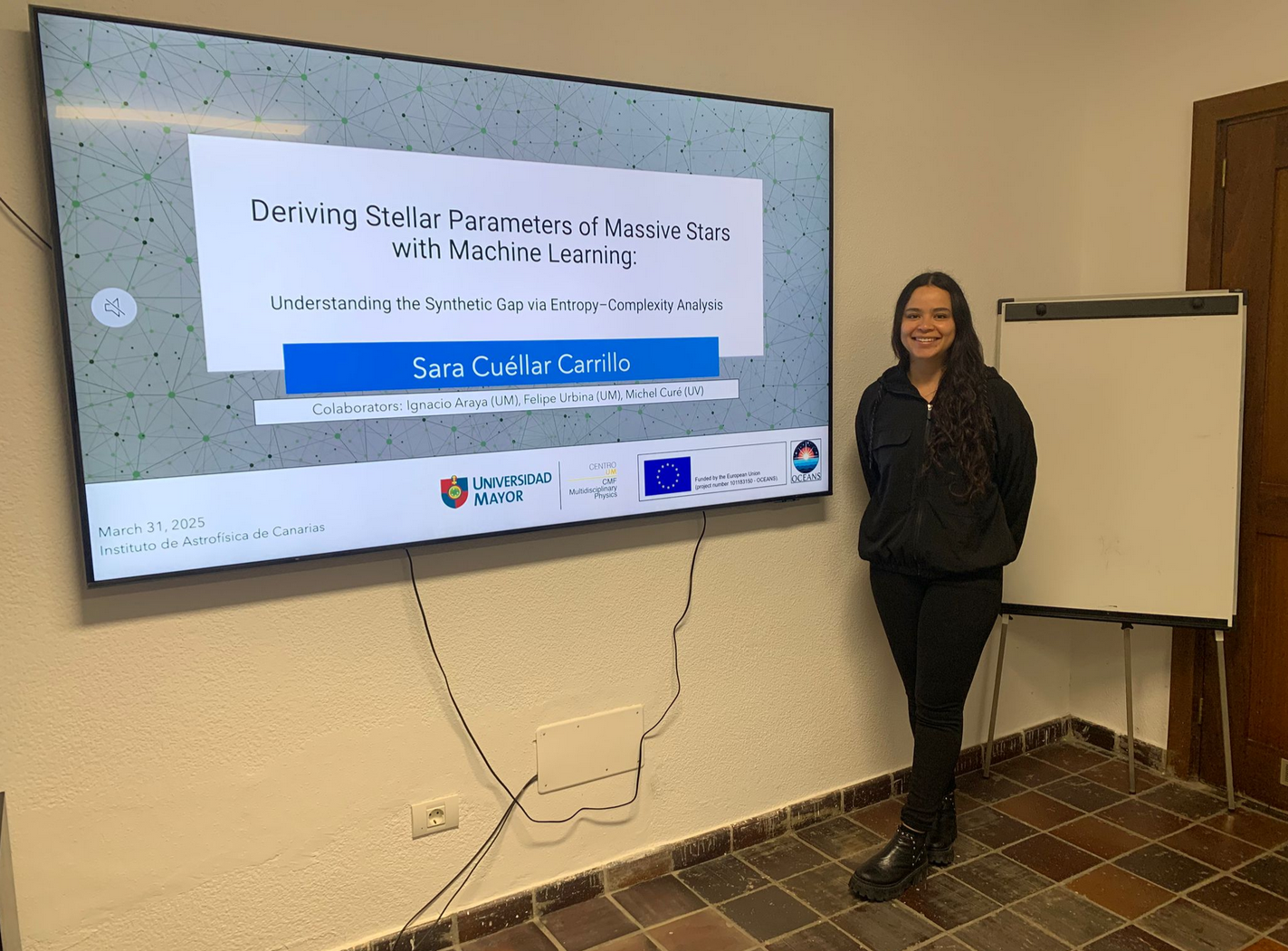
I also contributed to an ongoing group project on spectral classification, focusing on the interpretability of the models. Specifically, I assisted in the analysis of model interpretability by working with SHAP values and helping develop visualizations that allow a clearer, per-spectrum interpretation of the regions most relevant to the classifier's decisions. This collaboration was especially insightful, as it brought together complementary perspectives: while I approached the problem from a computational standpoint, Sergio-Simón Díaz provided a physically grounded interpretation of the results.
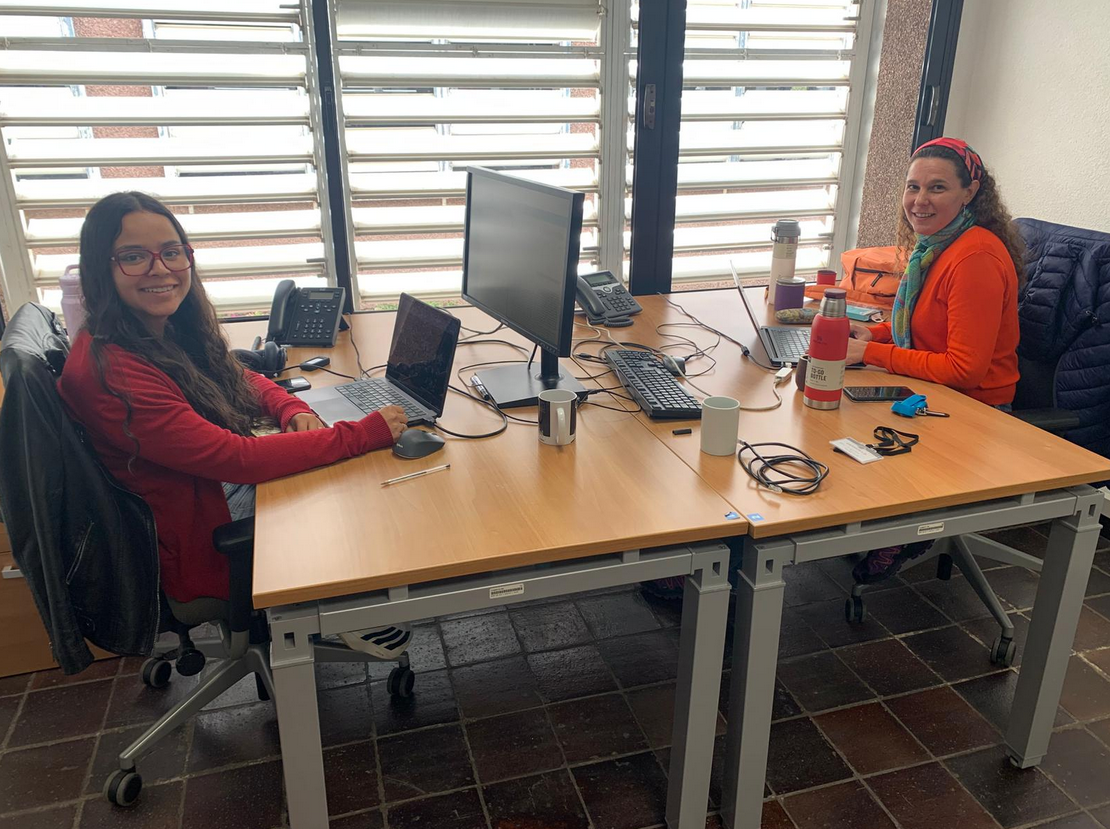
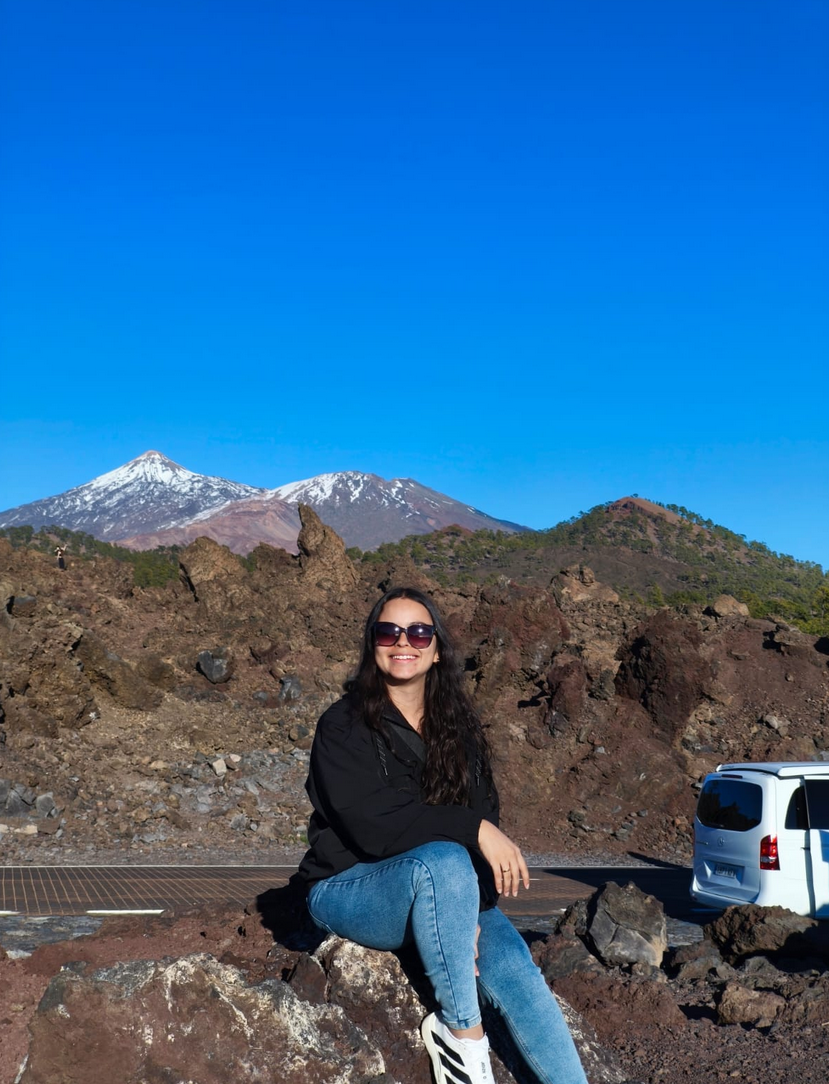
Overall, the visit was highly productive, not only in advancing ongoing projects but also in identifying new research directions and potential avenues for future collaboration. Despite the weather conditions, I also had the opportunity to enjoy the landscape of the island, including views of El Teide and the sea of clouds.
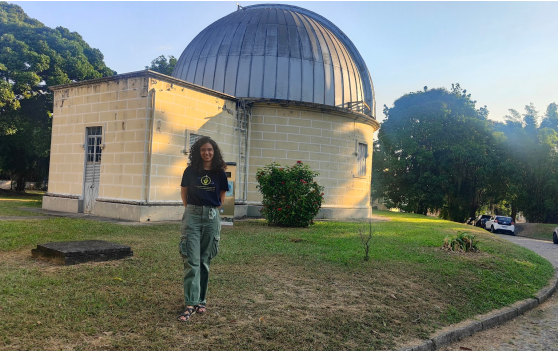
From 12th March 2026 to 30th April 2026, I was hosted by Dr. Simone Daflon and Dr. Marcelo Borges at the Observatório Nacional (ON) in Rio de Janeiro, Brazil, in the frame of the OCEANS project as part of my PhD. During my stay, I worked on the development and testing of updated model atoms within stellar atmosphere codes, in order to improve the chemical abundance determinations of B-type stars. I closely collaborated with the massive stars research group at the ON, particularly with Simone Daflon and Marcos Felipe Silva-Soares, comparing different methodologies, stellar atmosphere codes and model atoms for the quantitative spectroscopic analysis of B-type stars. I also participated in the stellar astrophysics group meetings at the ON, where I gave a seminar presenting my research, titled "Improving the reliability of surface abundance determinations in B-type stars".
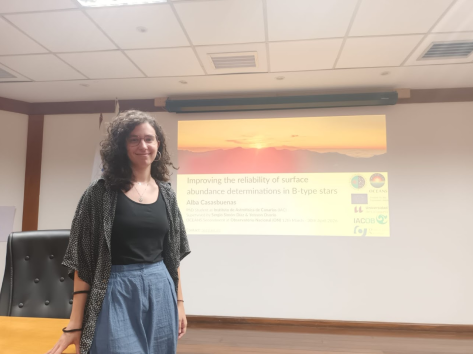
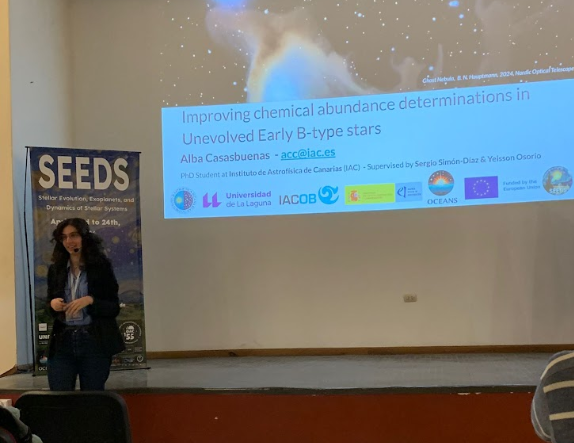
On the period from 22nd-24th April, I had the opportunity to attend, as part of my OCEANS secondment, the conference "Stellar Evolution, Exoplanets and Dynamics of Stellar Systems - SEEDS" meeting in Córdoba, Argentina. There, I had the opportunity to present my first oral contribution in an international conference, titled "Improving chemical abundance determinations in early B-type stars".
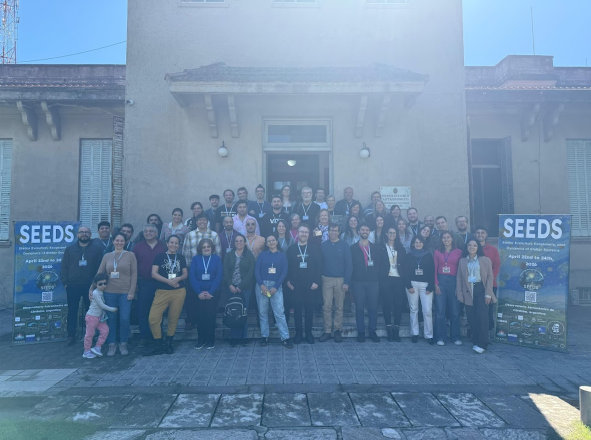
My time in Brazil and Argentina was an enriching experience, both scientifically and personally. I had the priviledge to meet many kind people doing very interesting science, with whom I could learn more about stellar astrophysics as well as explore the two beautiful cities I visited. Thanks to OCEANS, I acquired important knowledge and experience that will be essential for the development of my PhD thesis, and it allowed me to make invaluable human connections.
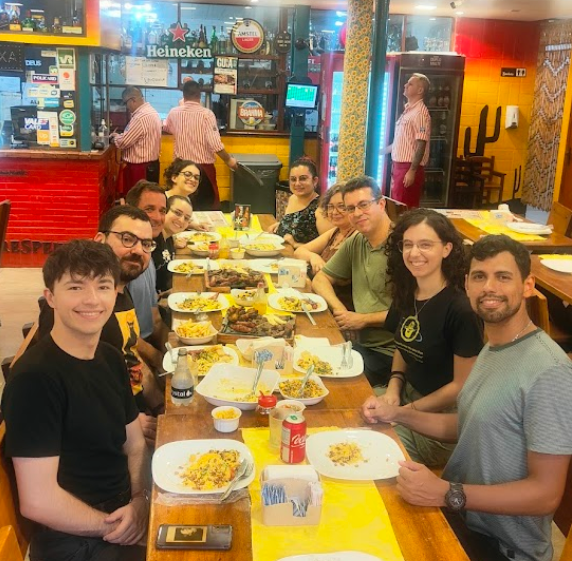
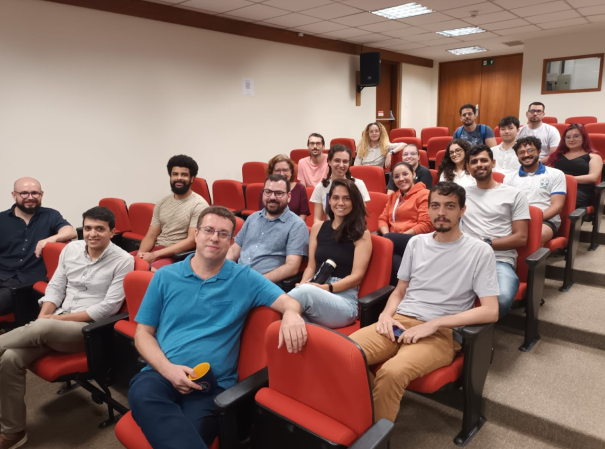
My secondment in UNRN in Bariloche, Argentina, provided an unique opportunity to work closely with Dr. Anahí Granada, who is an expert in both Be stars and stellar evolution. Although Anahí and I have known each other since 2014 – we have met several times at conferences and even co-authored a paper together – this was the first time we had the chance to sit side by side and collaborate on a daily basis.
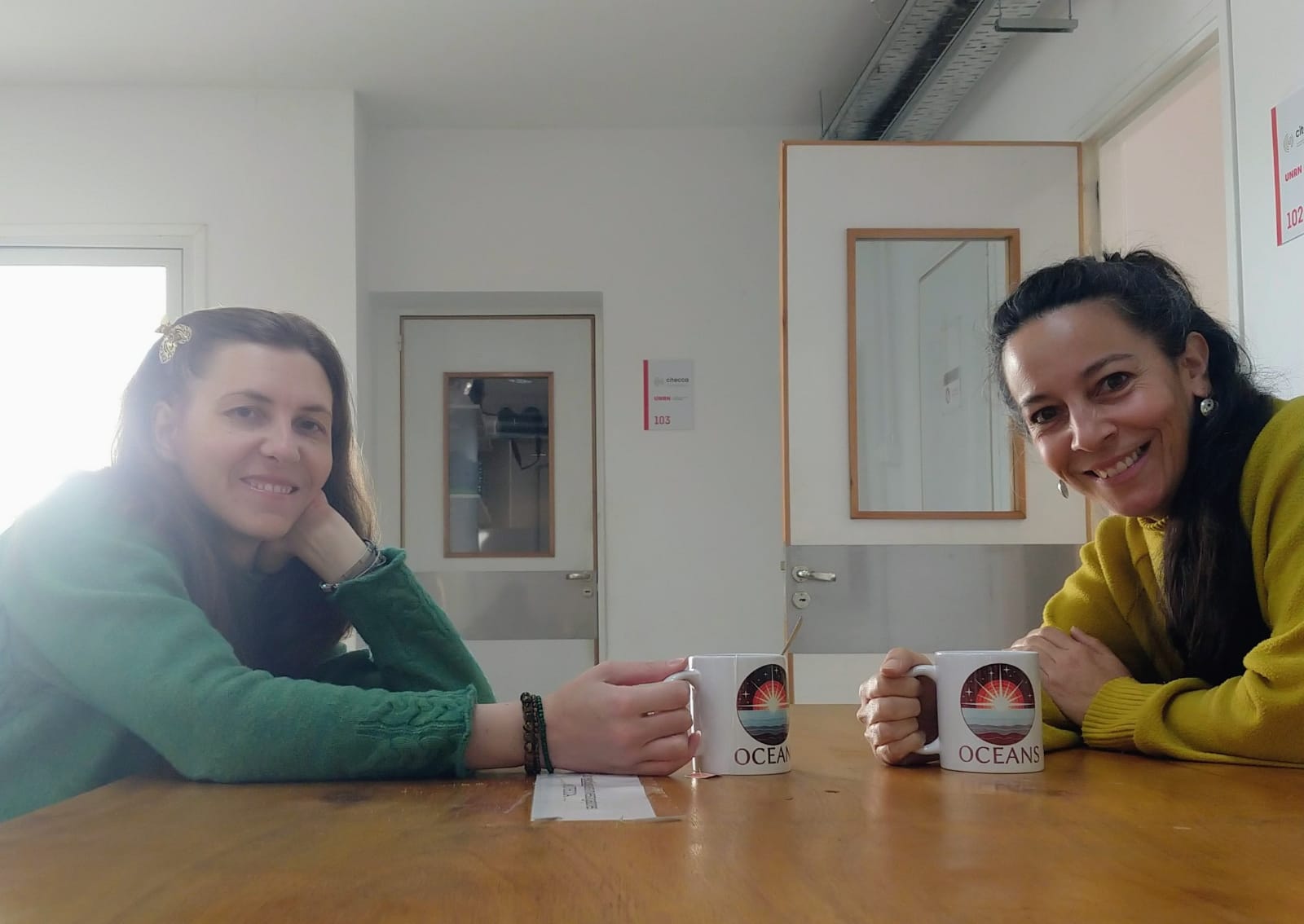
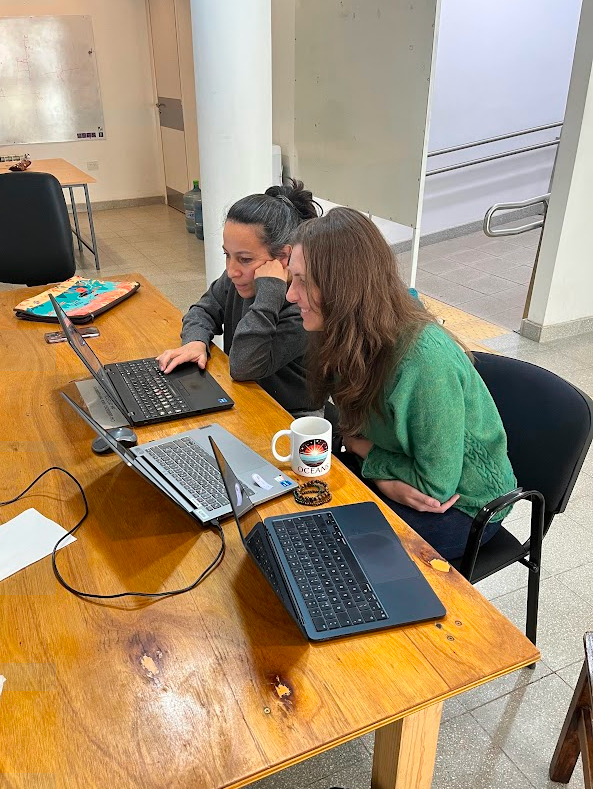
During my stay in Bariloche, we discussed new observing proposals for study Be stars with interesting spectral variability. Anahí introduced me to how to use of the entropy–complexity plane for diagnostic of disk inclination and mass of one. On my side, I introduced her to several photometric databases where long-term photometric observations of her targets can be found, potentially opening new possibilities for their investigation.
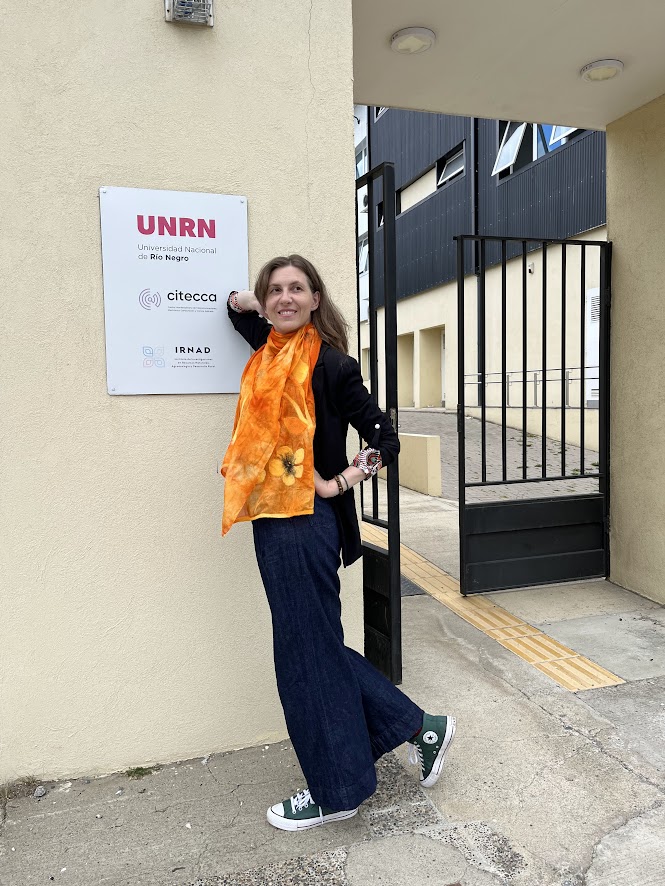
In addition, we discussed our presentations for the Stellar Evolution, Exoplanets and Stellar System Dynamics (SEEDS) workshop, as well as my manuscript, for which the first referee report arrived during my stay in Bariloche.
On March 17, 2026 I presented the ambitious scientific goals of the OCEANS project to the staff of the Centro Interdisciplinario de Telecomunicaciones, Electrónica, Computación y Ciencia Aplicada (CITECCA). The seminar was accompanied by coffee and wonderful cupcakes, baked by the director of CITECCA Dr. Monica Denham. Beyond science, we also discussed the broader impact of participation in international projects on Argentine institutions and the opportunities such collaborations create for researchers and students.
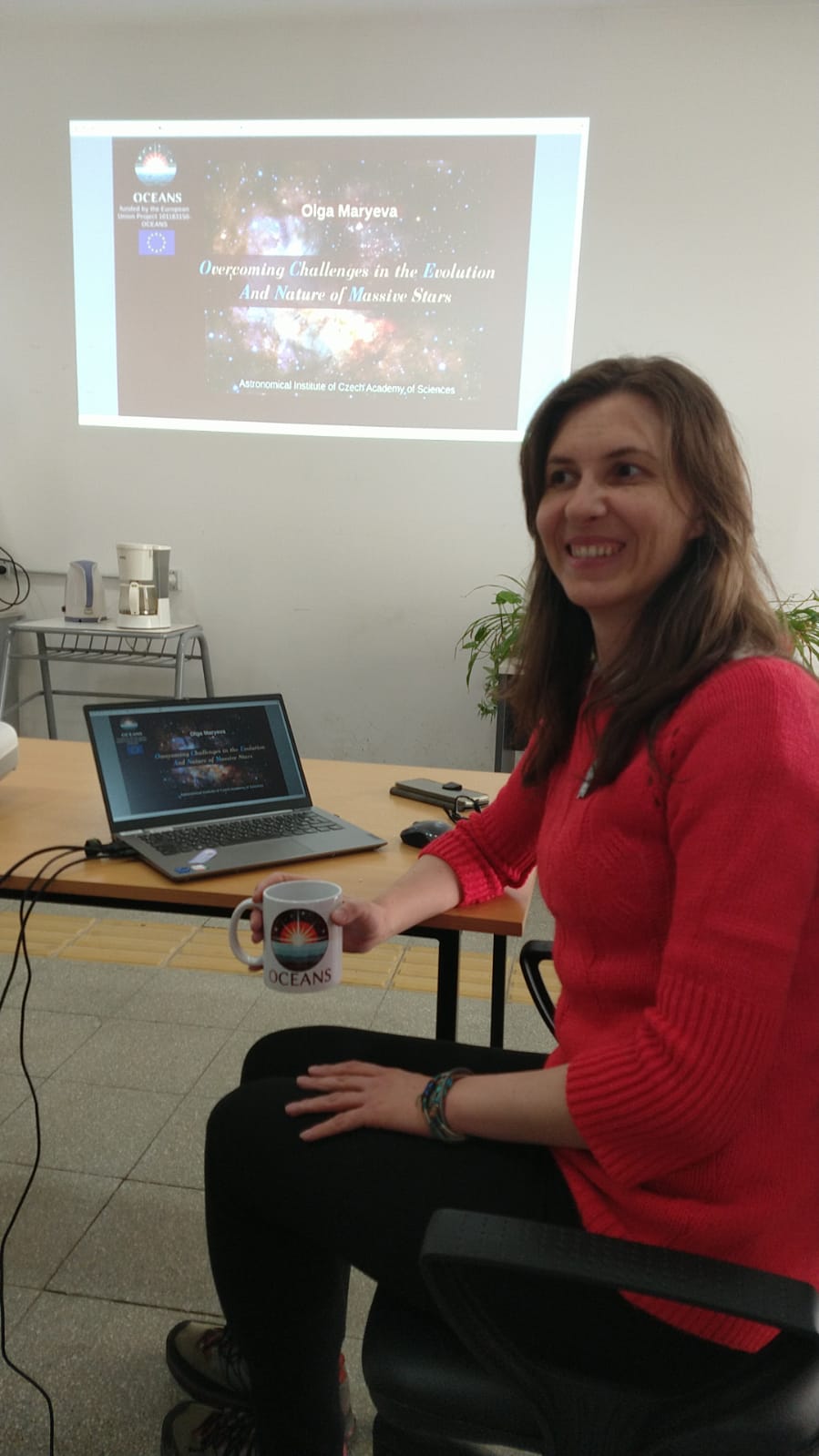
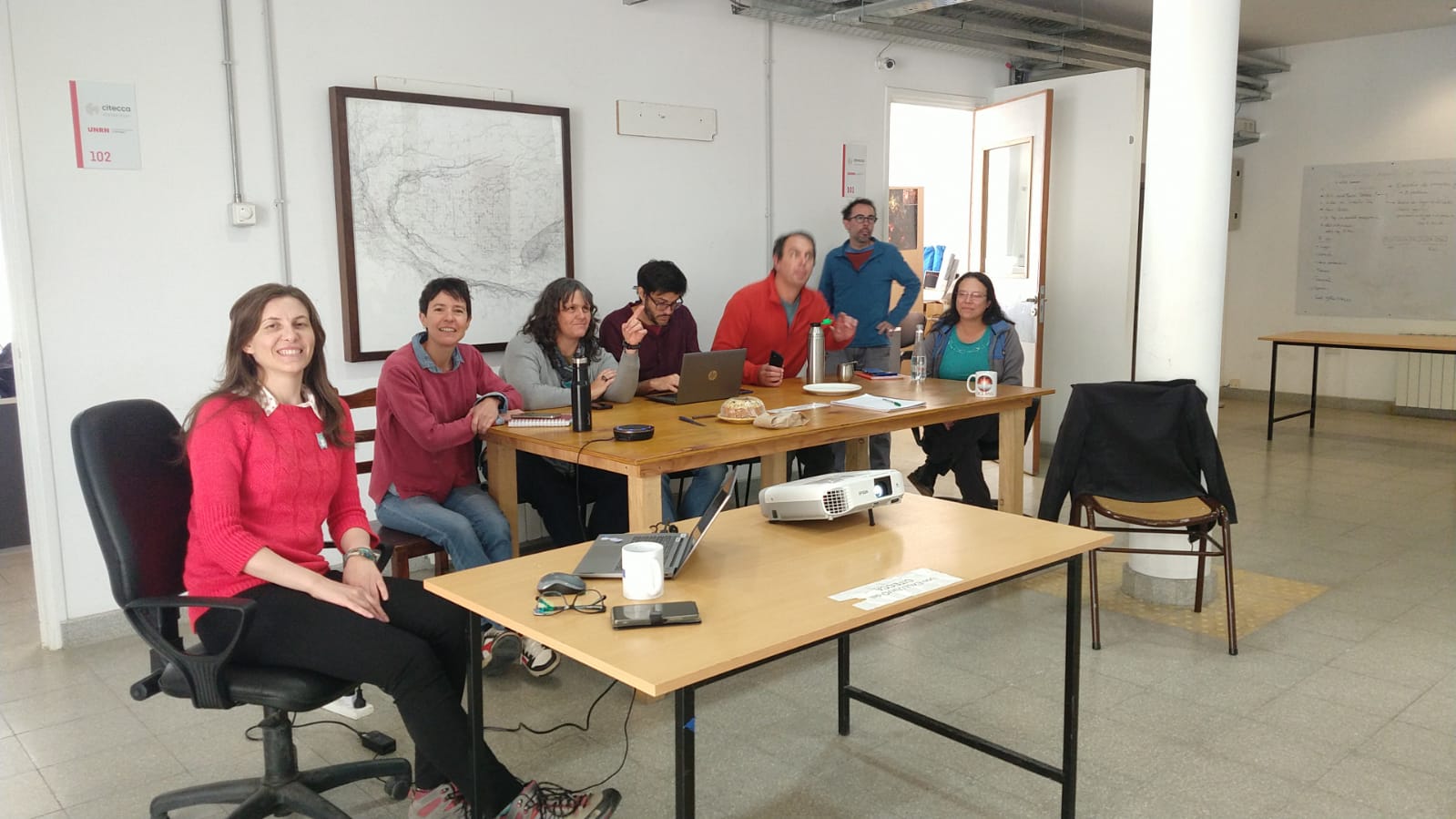
Also on April 1, 2026 I gave public talk for amateur astronomers in Bariloche, as well as for UNRN staff and students. I presented the final stages of the evolution of massive stars, with a particular focus on Luminous Blue Variables (LBVs). Many thanks to Dr. Nicolás Maffione who help to organize this meeting. Also we distributed out OCEANS informational flyers among all attendees.
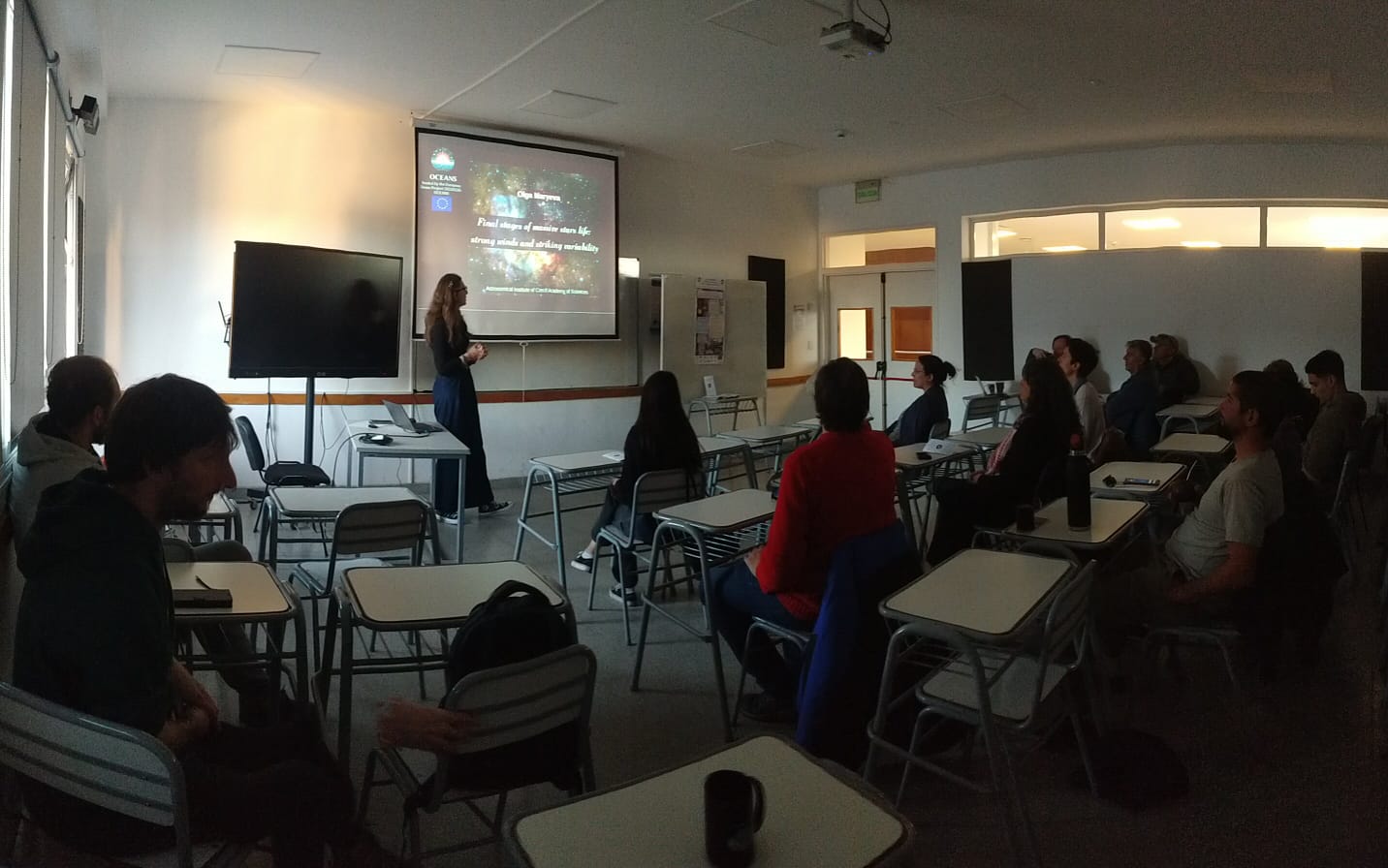
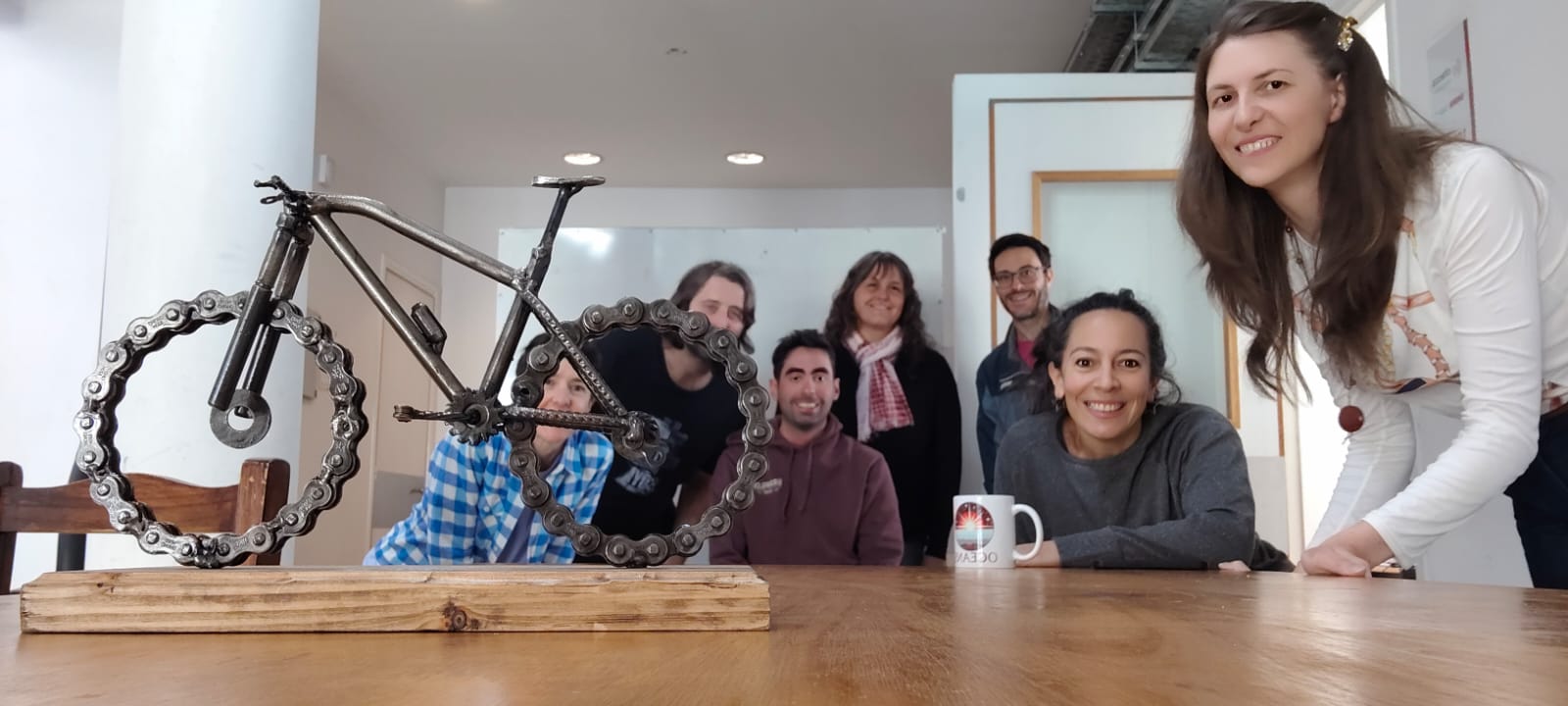
Overall, my stay in Bariloche was exceptionally warm and welcoming, despite the strong cold wind coming from Lago Nahuel Huapi. I am very happy that I had the opportunity to meet Anahí’s family, as well as colleagues Mónica, Tamara, Nicolás, Mariana, Jorge, Javier, and Carlos. My heartfelt thanks go to the wonderful CITECCA–UNRN team for their hospitality, kindness, and support.
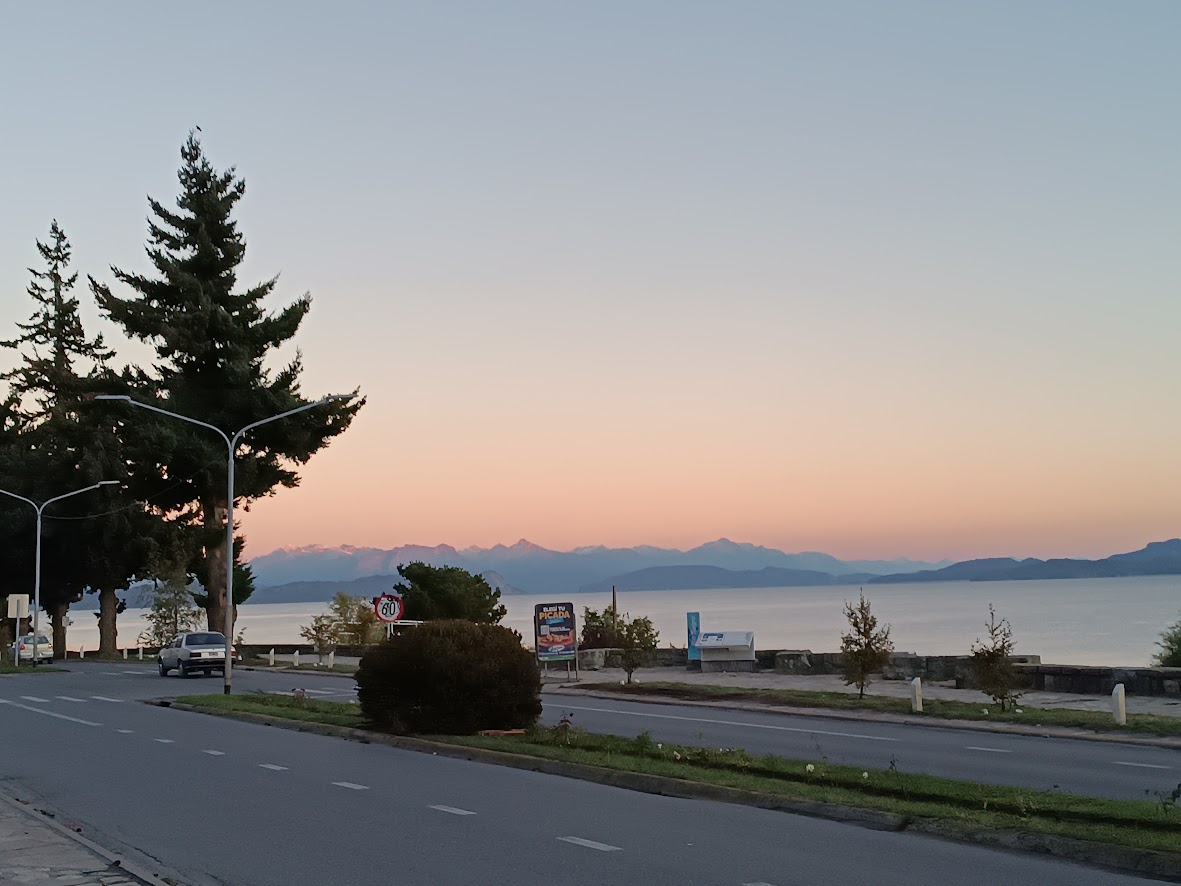
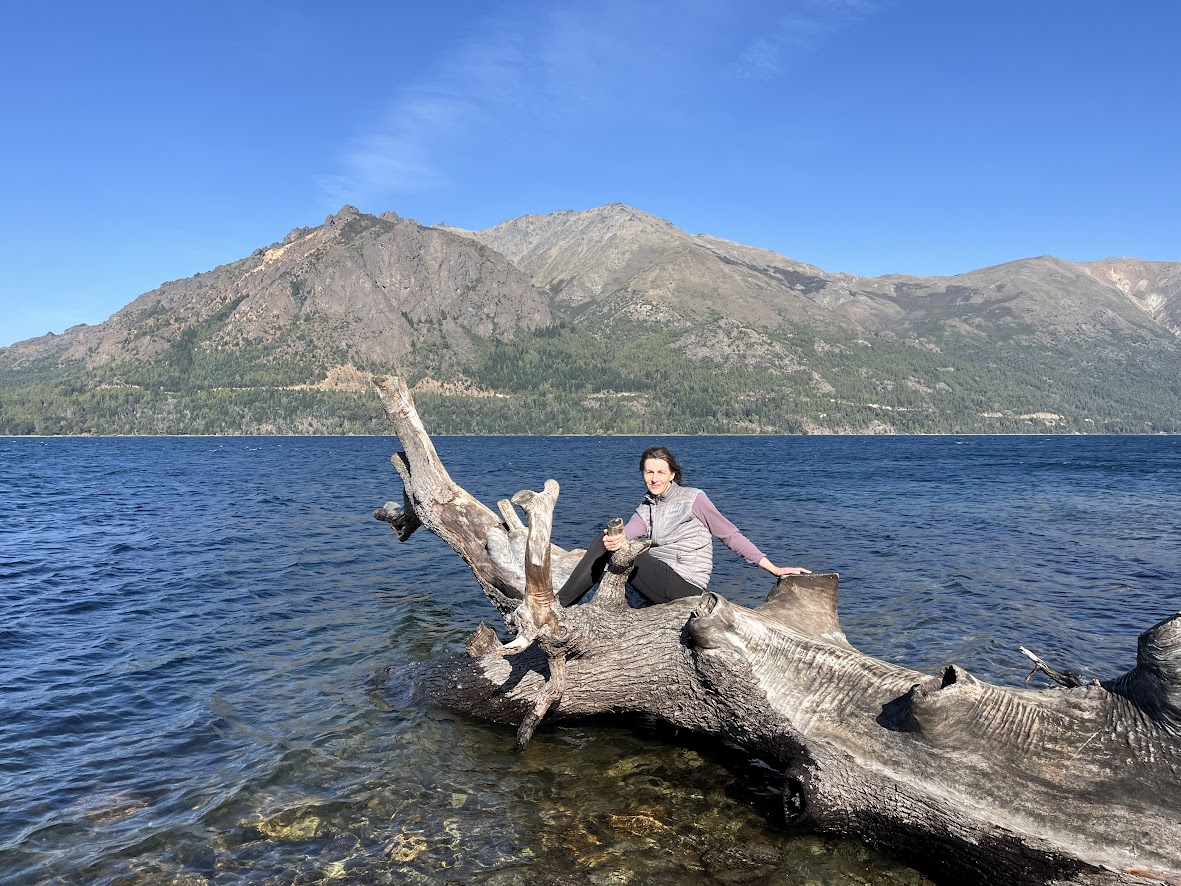
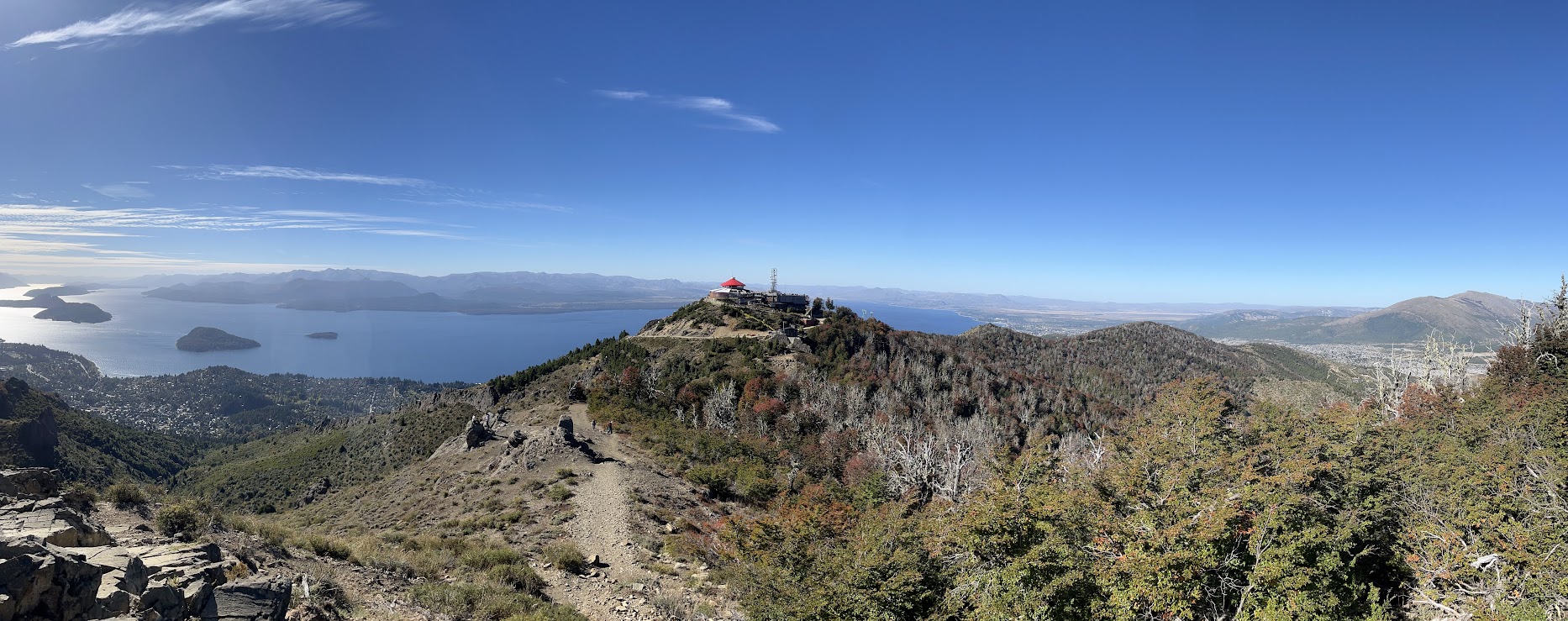
P.S. Well, I couldn't write this report about my trip to Bariloche without including photos of the amazing views.
During my secondment at the Nicolaus Copernicus Astronomical Center (CAMK), I focused on the spectral analysis of massive stars, applying ZPEKTR models from my grid to observational data. In addition, I developed new ZPEKTR models tailored to sub-solar metallicity regimes, extending the applicability of my modelling framework.
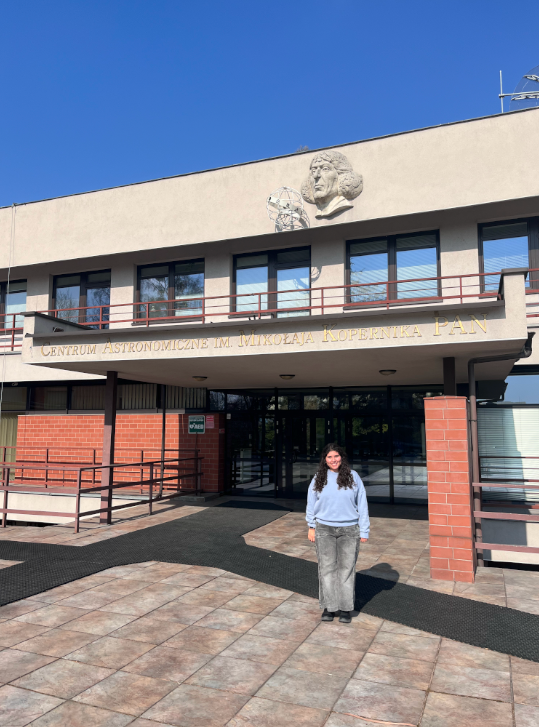
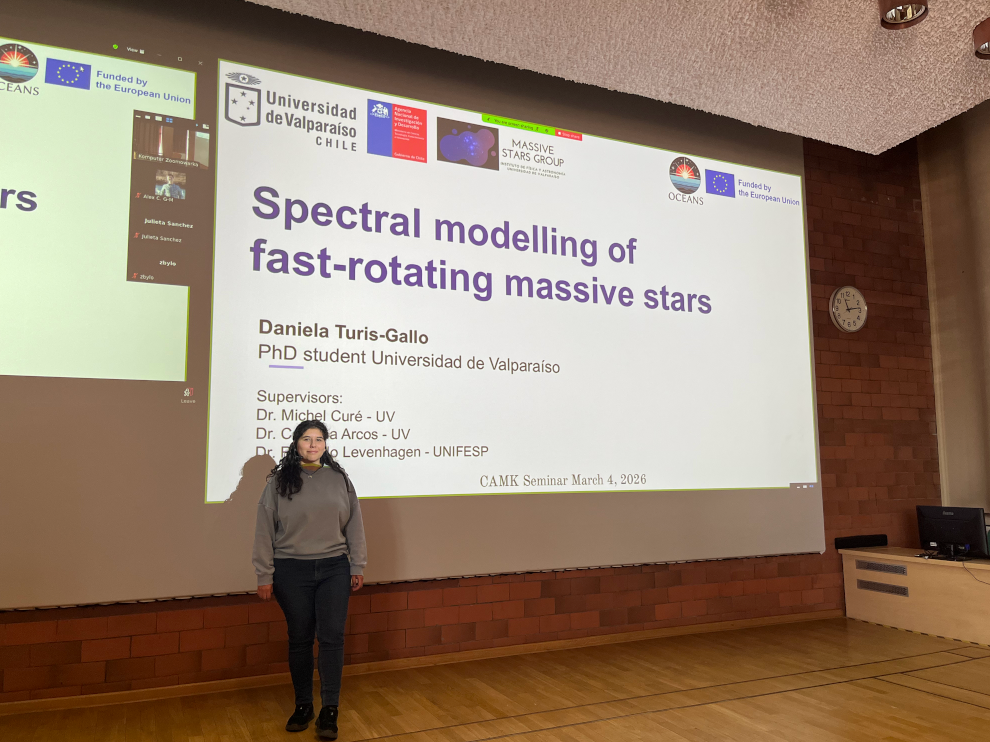
This work was carried out in close collaboration with Bogumił Pilecki and members of his group, including Mónica Taormina and Christian Eze, with particular emphasis on binary systems. These interactions fostered valuable scientific discussions that contributed to improving the robustness and reliability of the models. As a result, I gained hands-on experience working in the context of binary stellar systems and further expanded my expertise in modelling massive stars across different metallicity regimes. In addition, I delivered an institute-wide seminar presenting my research on rapidly rotating massive stars using the ZPEKTR code, receiving valuable feedback.
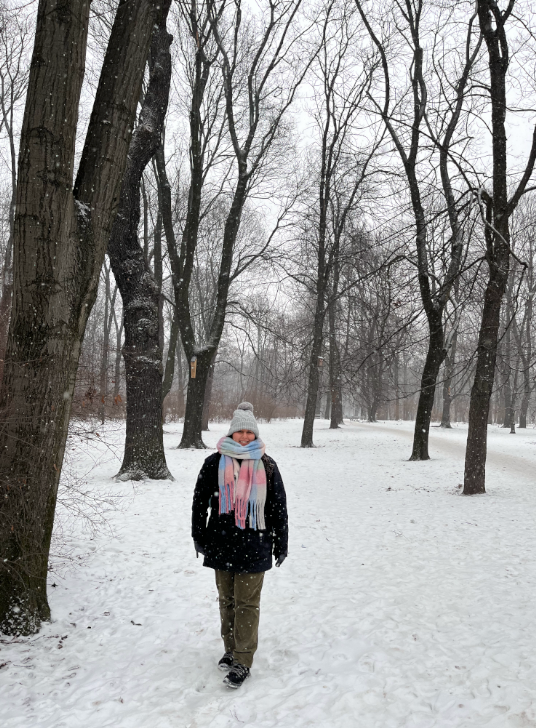
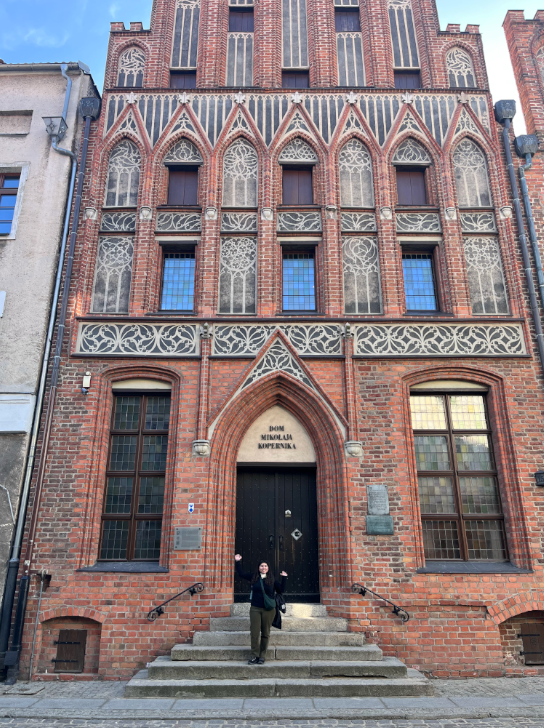
During my stay, I also had the opportunity to explore the city and appreciate its cultural environment. I visited several museums, which provided a pleasant refuge from the cold weather, and I also travelled to the nearby city of Toruń, where I visited the Nicolaus Copernicus House.
As part of the OCEANS program, I visited the Astronomisches Rechen-Institut (ARI) of the University of Heidelberg, where I was hosted by Andreas Sander. I continued developing the work initiated during my previous stay at the IAC, incorporating observed spectra from the IACOB database into the training pipeline of my project on stellar and wind parameter estimation of massive stars, using neural networks with Monte Carlo Dropout. By the end of the stay, the model produced reliable estimates for a sample of observed main-sequence O-type star spectra. Additionally, Roel Lefever provided me with a theoretical and practical introduction to the PoWR stellar atmosphere code, developed by the Heidelberg group. I also had the chance to share lunch daily with colleagues at the ARI, which made for a pleasant working environment.
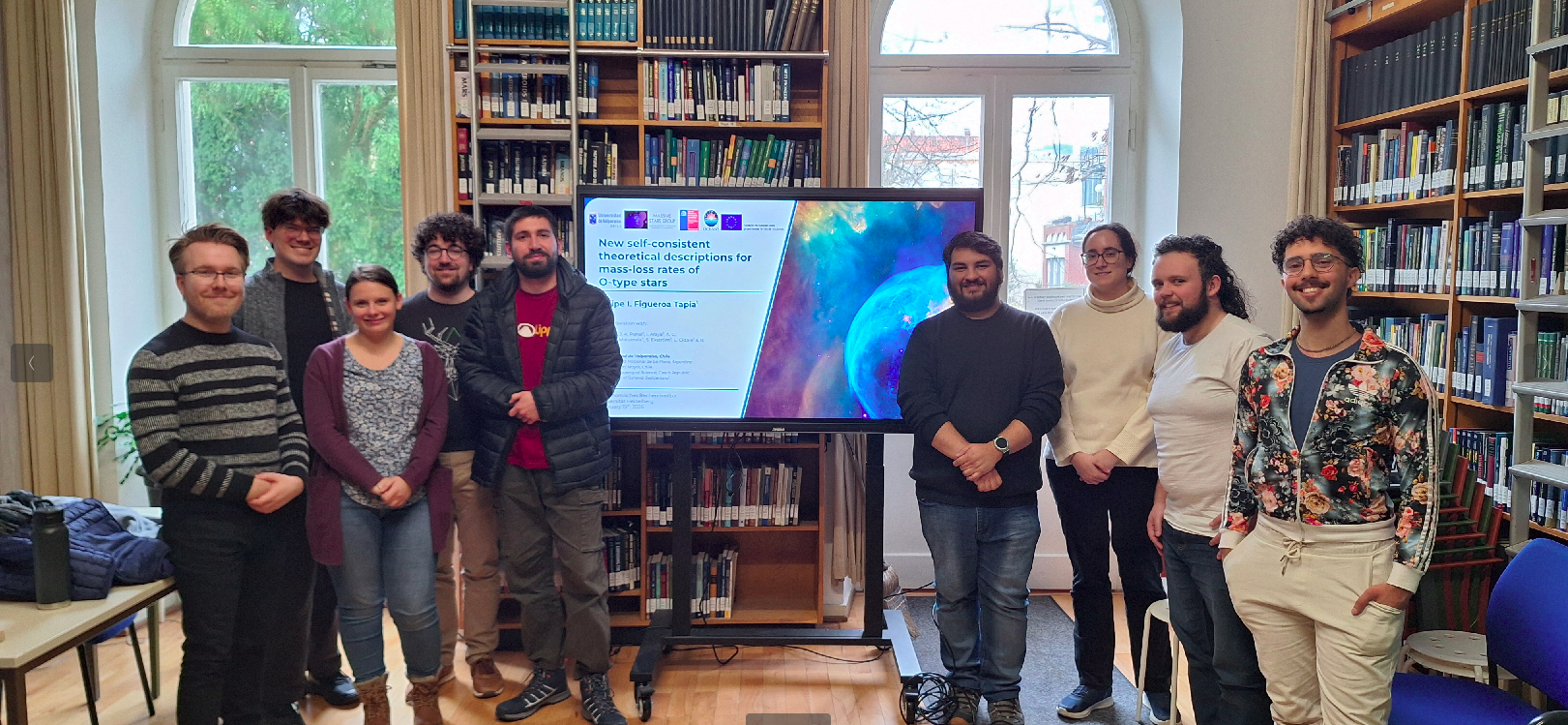
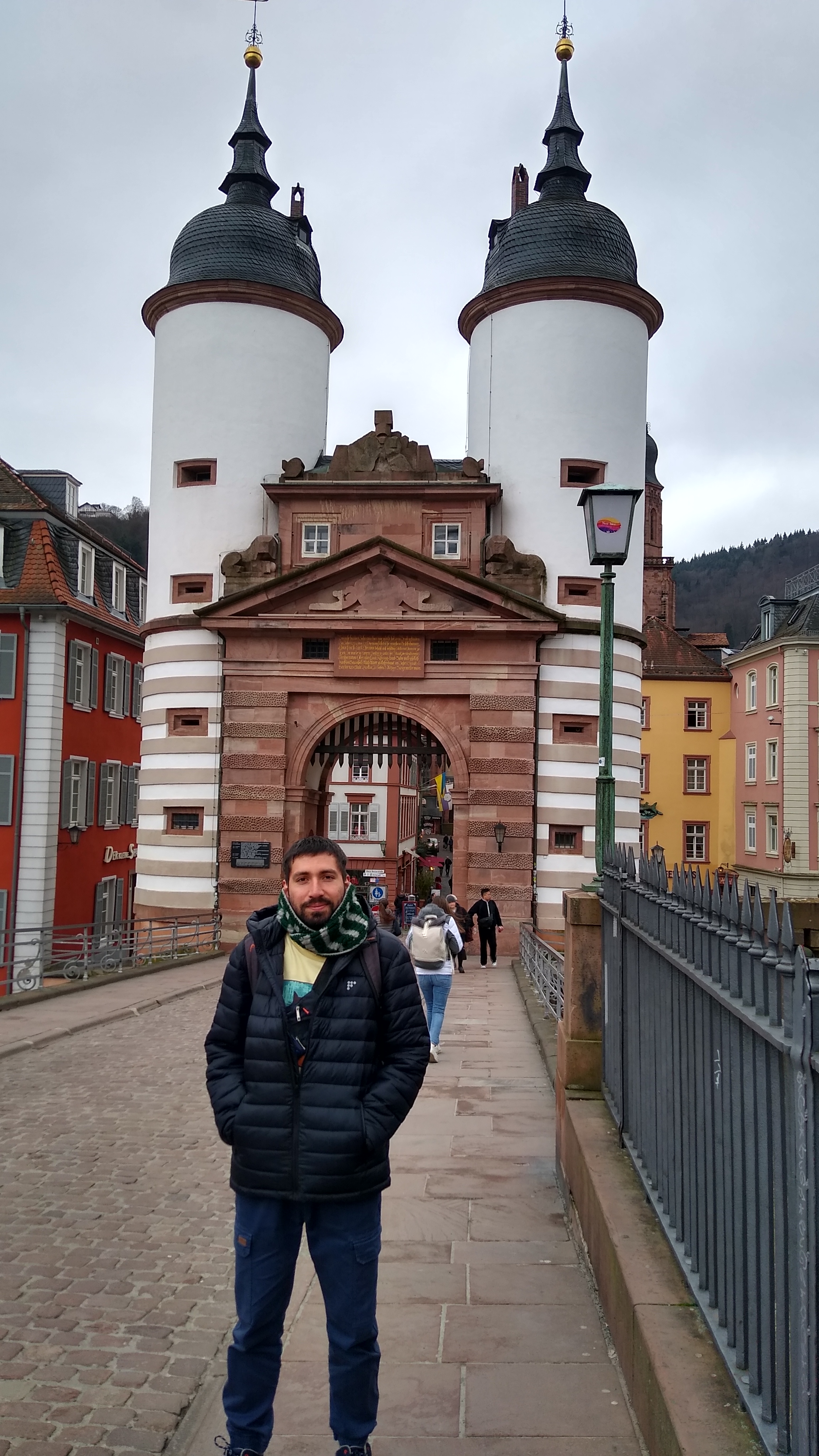
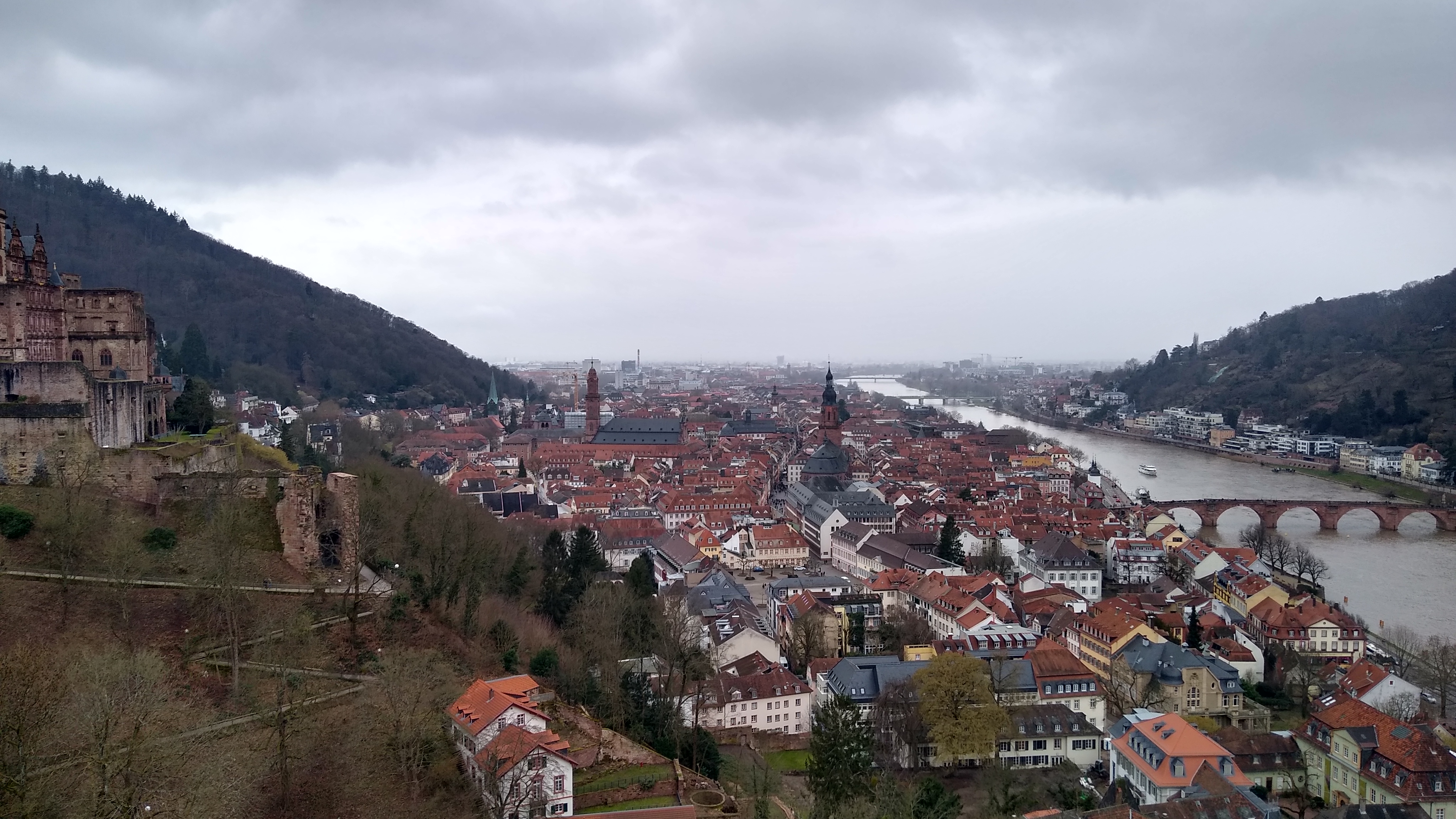
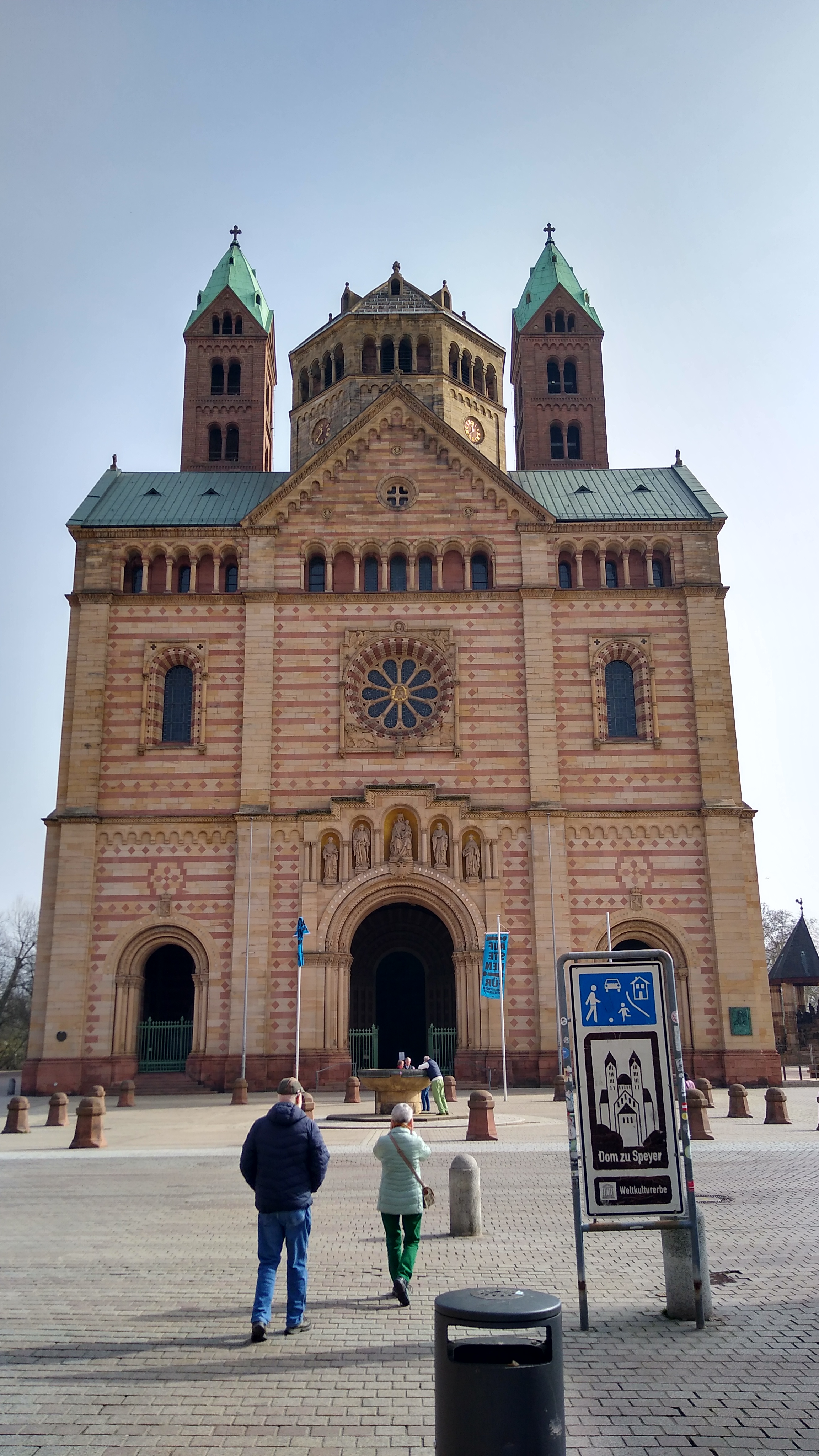
Outside of work, I explored Heidelberg and its surroundings. Within the city, I visited the Altstadt and the Schloss, walked along the Philosophenweg and the banks of the Neckar, and hiked up the Heiligenberg, where the Thingstätte and the ruins of the Michaelskloster and Stephanskloster are found in the forest. I also made day trips to Speyer and to Strasbourg, the latter just across the border in France.
From February 12 to March 16, 2026, I was hosted by Dr. Andreas Sander at the Astronomisches Rechen-Institut (ARI) of Heidelberg University, in the frame of the OCEANS project. The main goal was to get a solid working knowledge of the PoWR (Potsdam Wolf-Rayet) stellar atmosphere code and find ways to integrate it into the self-consistent wind modelling pipeline I have been developing. During the stay, I ran PoWR atmosphere models for O-type stars and managed to get the code installed on the servers back at my home institution for future use — something that should pay off considerably down the line. A particularly interesting advance was learning to implement a physically motivated initial velocity profile using HydWind, replacing the standard beta-law assumption. This brings us a step closer to linking the CMF radiative transfer framework with m-CAK theory in a more unified and consistent way. The pending objective going forward is to formally connect PoWR with LOCUS and HydWind, so that it can serve as a reliable source of self-consistent synthetic flux profiles for wind parameter determination.
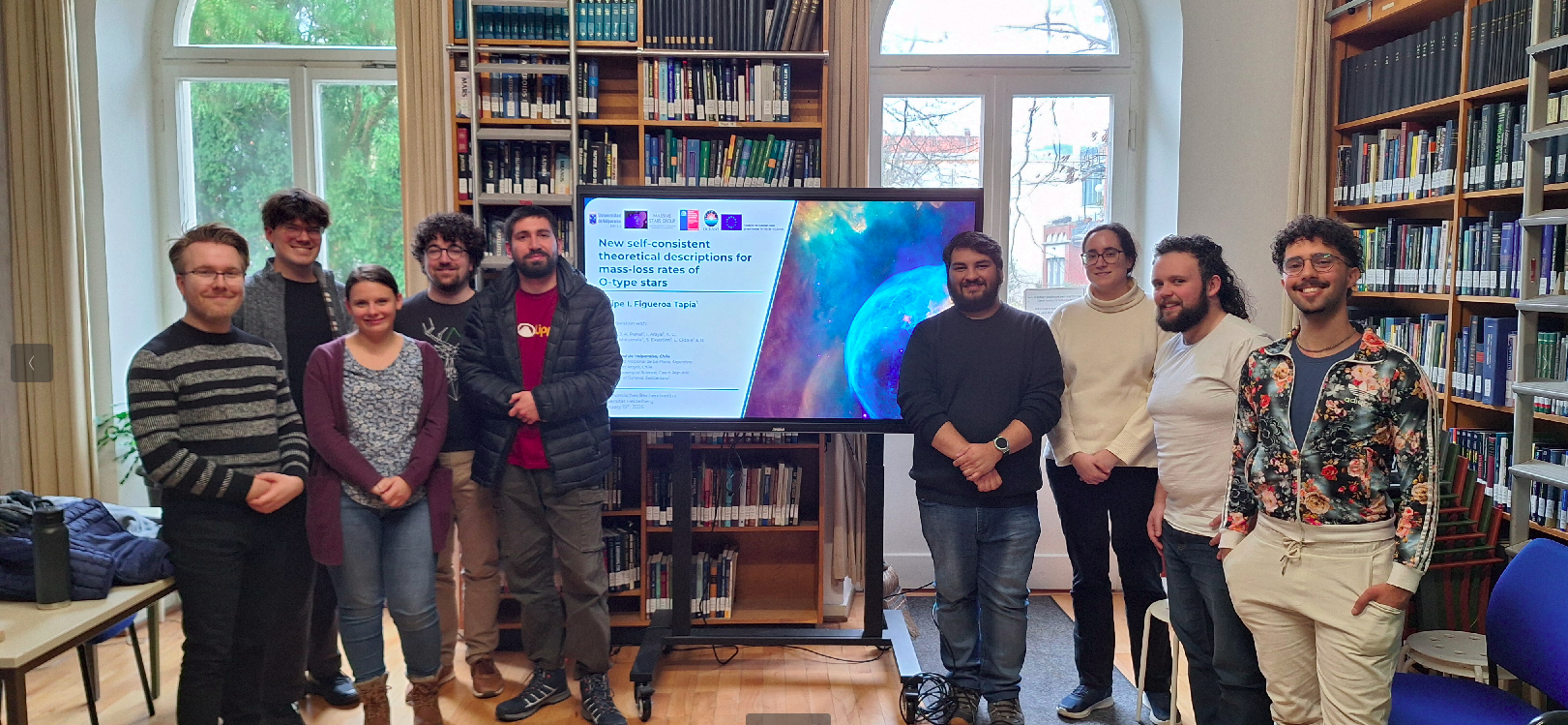
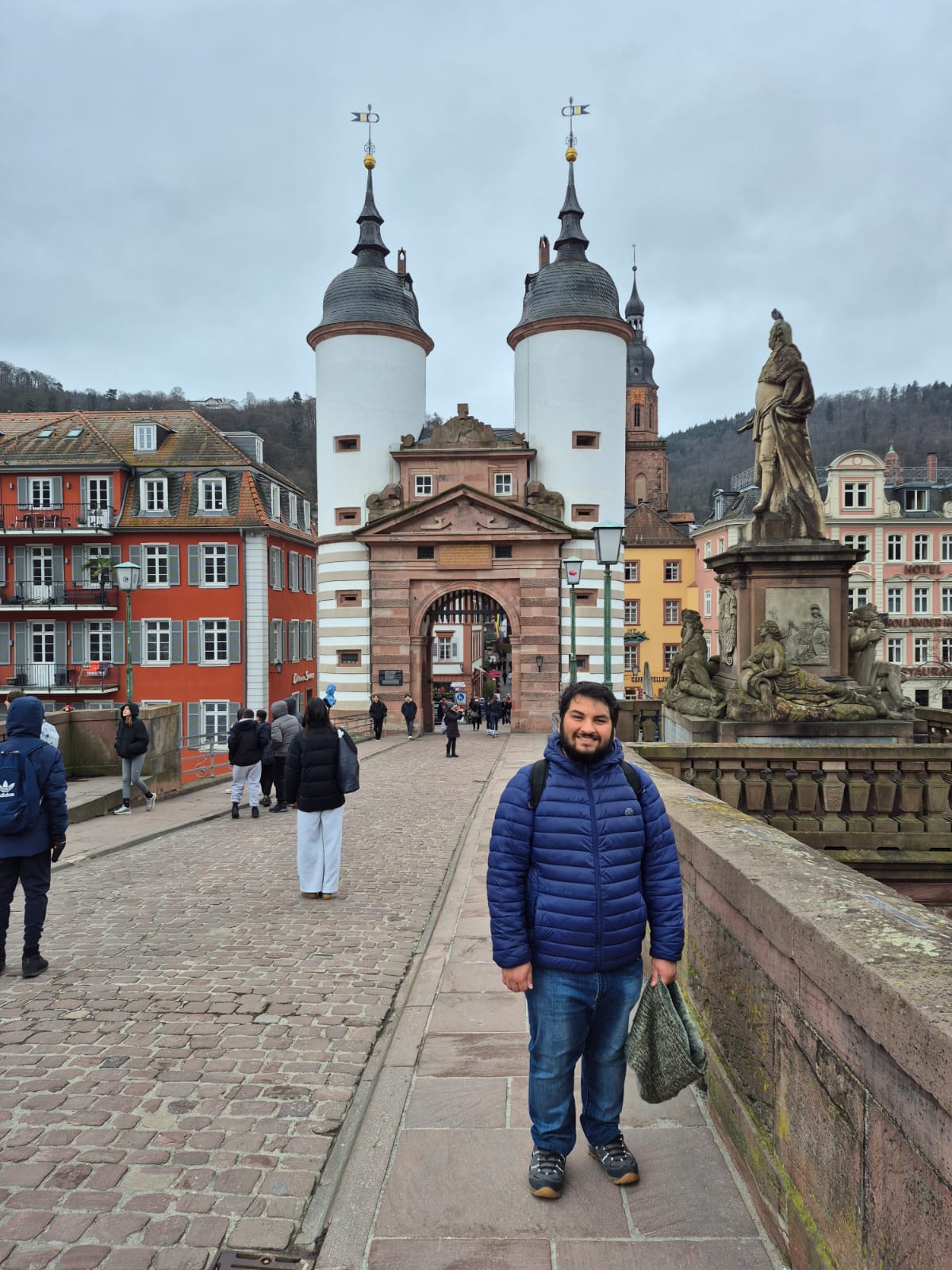
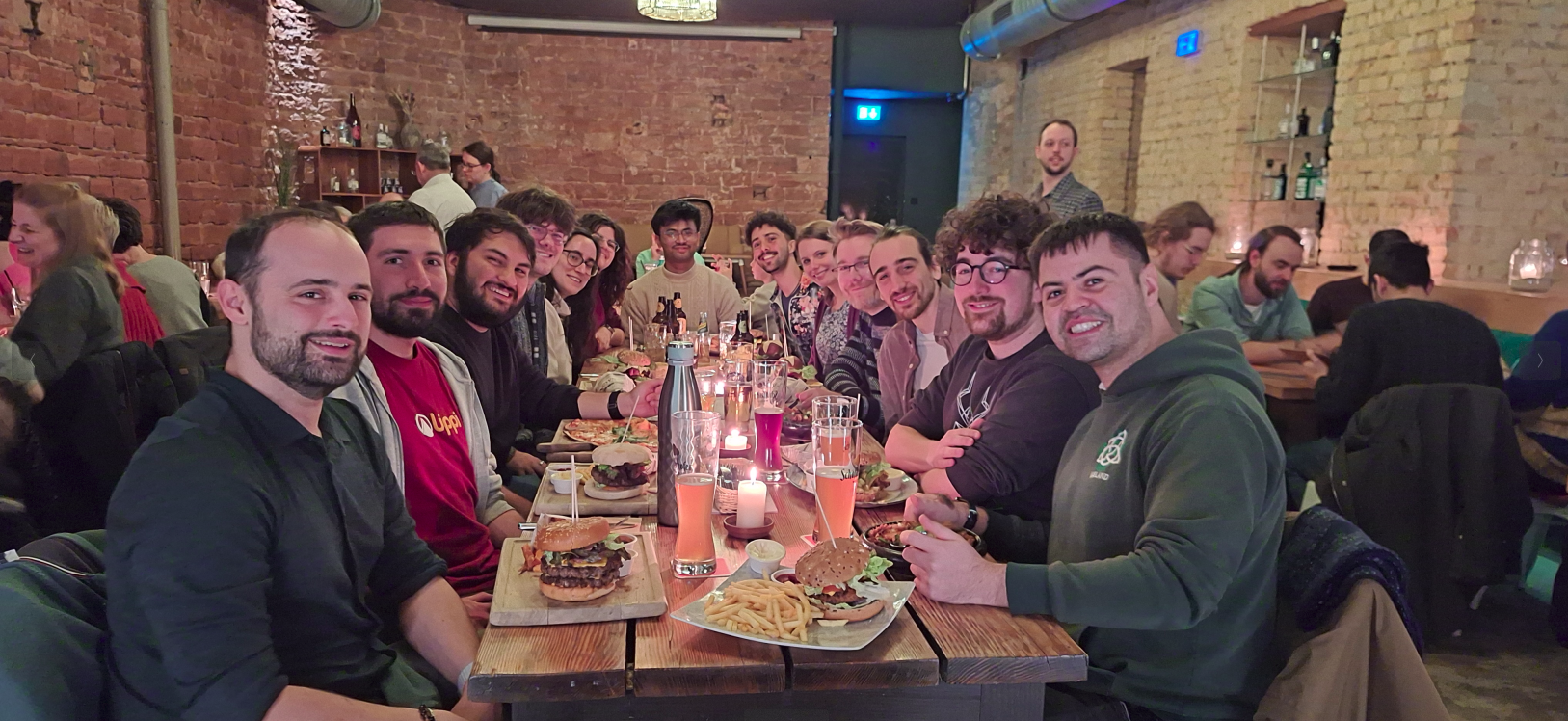
The visit coincided with a trip by the KU Leuven group of Prof. Jon Sundqvist, which made for a particularly lively week — it was great to meet Nicolas Moens and Cassandra Van der Sijpt and discuss radiation-driven winds from different angles. As with the other secondments, I had the opportunity to present my work at a group meeting, which is always a useful exercise. Throughout the stay, Roel Lefever and Elissa Schösser were incredibly helpful, patiently walking me through PoWR's intricacies while also engaging in substantive discussions about the broader context of the work. Even if the collaboration was mostly oriented towards learning rather than a specific joint publication, the exchange was genuinely enriching and has opened up clear avenues for future work together.
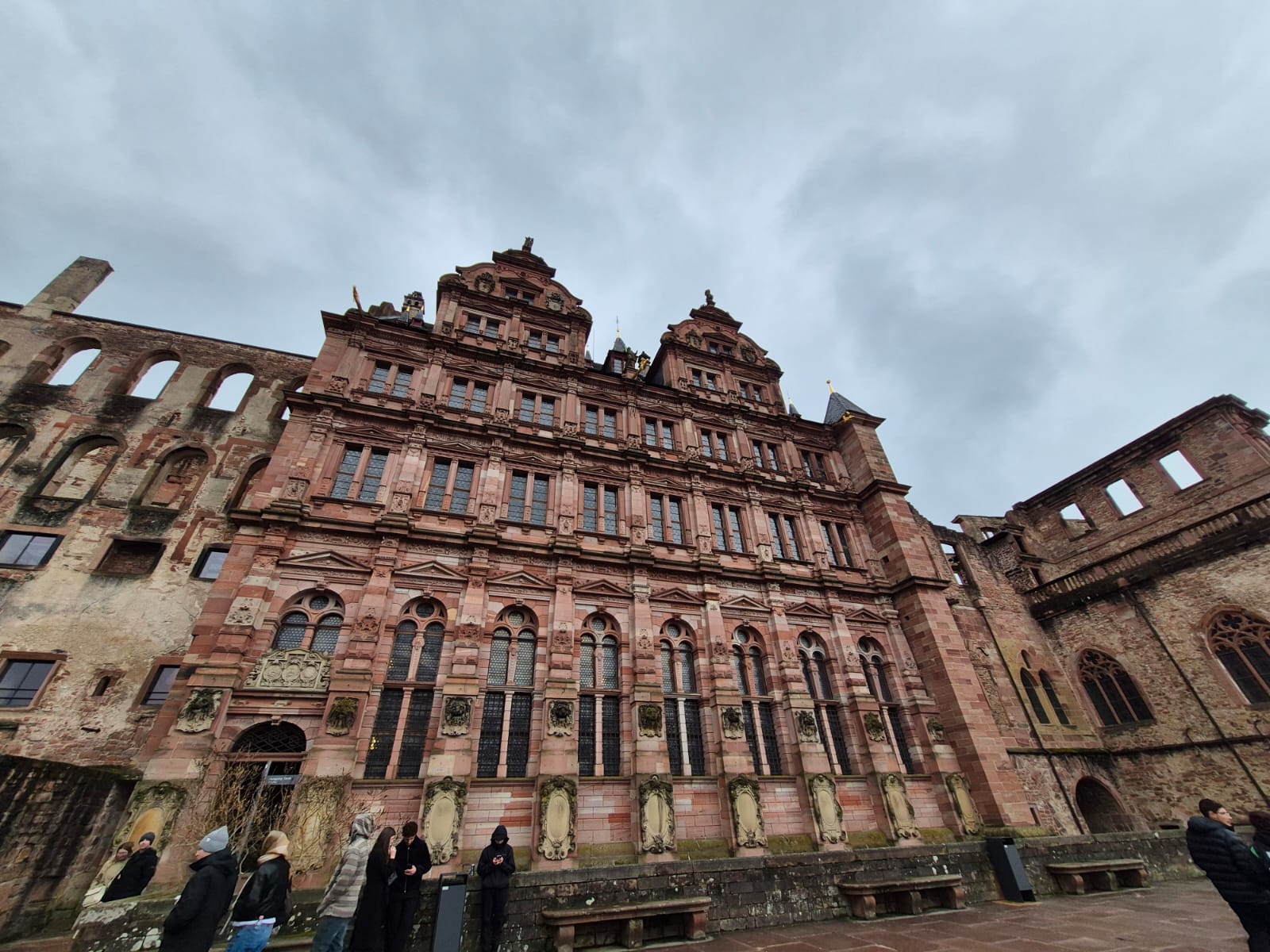
Heidelberg was a wonderful place to be based for a month. The weather cooperated nicely and allowed for some great day trips — Speyer and Strasbourg were both memorable, with cathedrals that carry centuries of history in a way that is hard not to find impressive. German culture is quite different from Chilean, but the warmth and goodwill we encountered throughout the stay made for a very pleasant surprise. All in all, another reminder of how much these secondments offer beyond the science alone.
During my secondment at the Astronomical Institute of the Czech Academy of Sciences (ASU) in Ondřejov, I focused on scientific training and knowledge exchange through collaborations on stellar winds, stellar variability, and numerical modelling. The stay was full-time throughout the week, which allowed for continuous discussions and a productive rhythm of work in a quiet and focused research environment.
The main part of my visit was devoted to collaboration with Dieter Nickeler and Michaela Kraus. Together, we discussed the time-dependent evolution of perturbations in line-driven stellar winds within the framework of mCAK theory. In my hydrodynamic implementation, the radiative acceleration includes both continuum and line driving, with the line force computed from the Sobolev optical-depth parameter, an ionization correction, and the finite-disk correction factor, and then applied directly to the radial momentum equation. We also explored the evolution of wave-like perturbations injected near the wind base, implemented as localized sinusoidal velocity perturbations with a Gaussian radial profile, in order to study how these disturbances propagate through the outflow and affect the wind structure. These discussions were further connected to the broader question of how a structured stellar wind may interact with the circumstellar and interstellar environment.
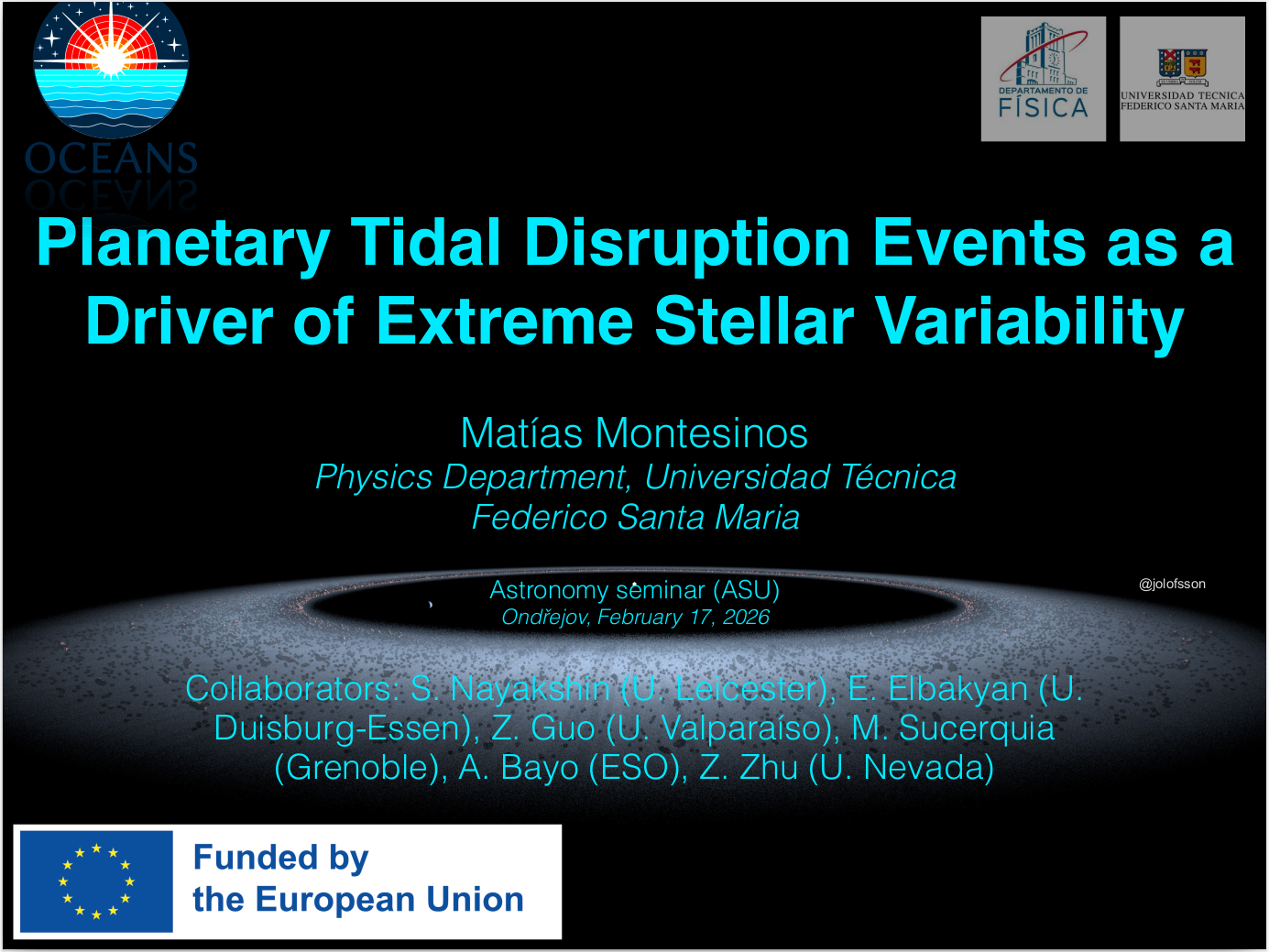
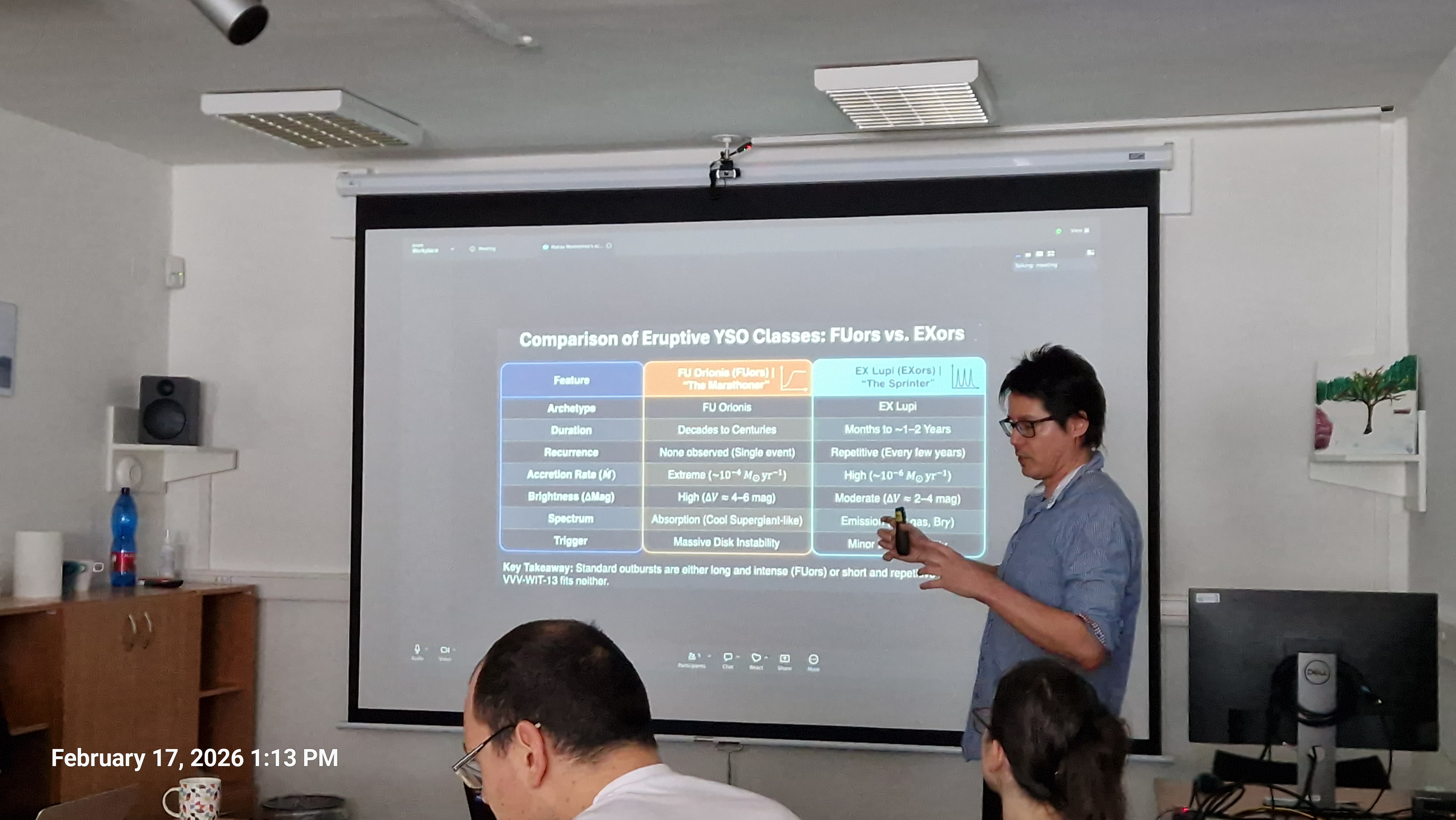
During my stay, I also gave a seminar at ASU on 17 February entitled Planetary Tidal Disruption Events as a Driver of Extreme Stellar Variability. In this talk, I presented hydrodynamic simulations of planetary tidal disruption events and discussed how they may help explain extreme stellar variability in young stellar objects. The seminar provided a valuable opportunity to exchange ideas on transient phenomena, accretion, and the interpretation of unusual variability.
I also discussed with Julieta Sanchez her work on the theoretical modelling of non-adiabatic pulsations in B supergiants. In particular, we talked about the numerical challenges involved in computing non-adiabatic pulsation modes without relying on adiabatic solutions as the starting point. This exchange opened an interesting basis for a future collaboration, connecting her expertise in stellar pulsations with my background in numerical hydrodynamics.
Overall, the secondment was a very valuable experience, both scientifically and personally. It allowed me to strengthen collaborations, exchange ideas across different areas of stellar astrophysics, and work in an environment especially well suited for focused and sustained research.
During my secondment at the Instituto de Astrofísica de Canarias (IAC), I worked in collaboration with Sergio Simón-Díaz and members of his group. Throughout the visit, I actively participated in the group meetings, where ongoing research projects and recent results were discussed. I also delivered a short presentation about my current research on rapidly rotating massive stars and the spectral modelling with the ZPEKTR code.
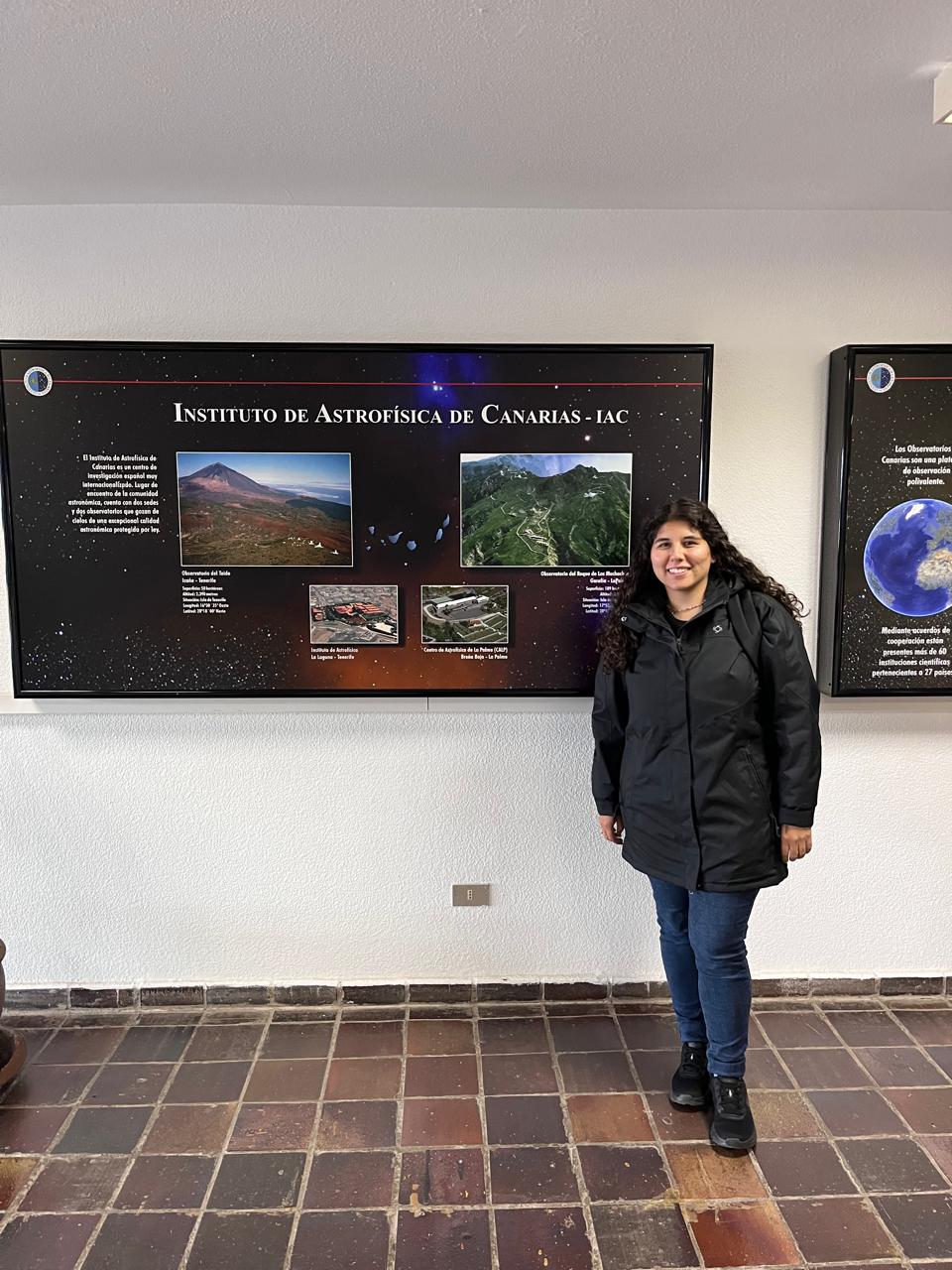
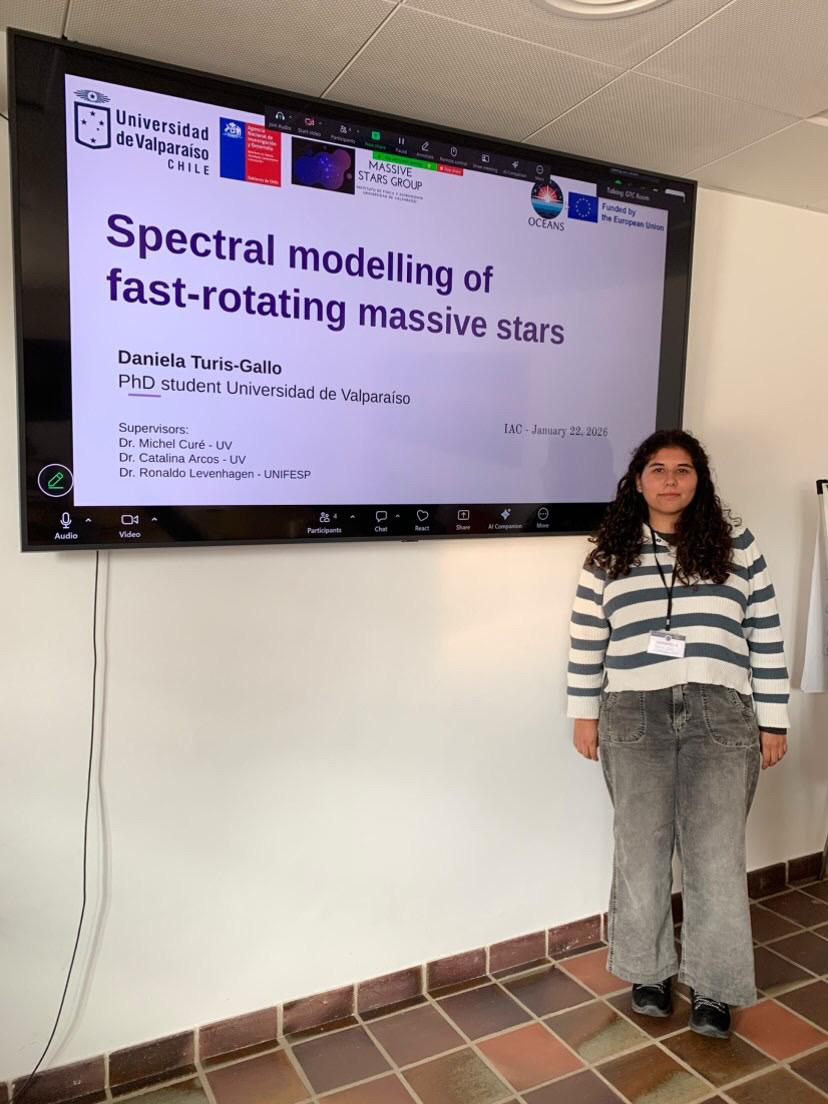
During my stay, I collaborated with the group using their database to model some targets with the ZPEKTR models from my grid. These interactions led to several scientific discussions that provided valuable feedback to improve my work. In addition, I had the opportunity to test and learn how to run the SPAMMS code developed by Michel Abdul-Masih. The SPAMMS models are similar to the ones I am using with ZPEKTR, so it was particularly interesting to compare the two approaches and see how different modelling strategies handle the same type of stars.
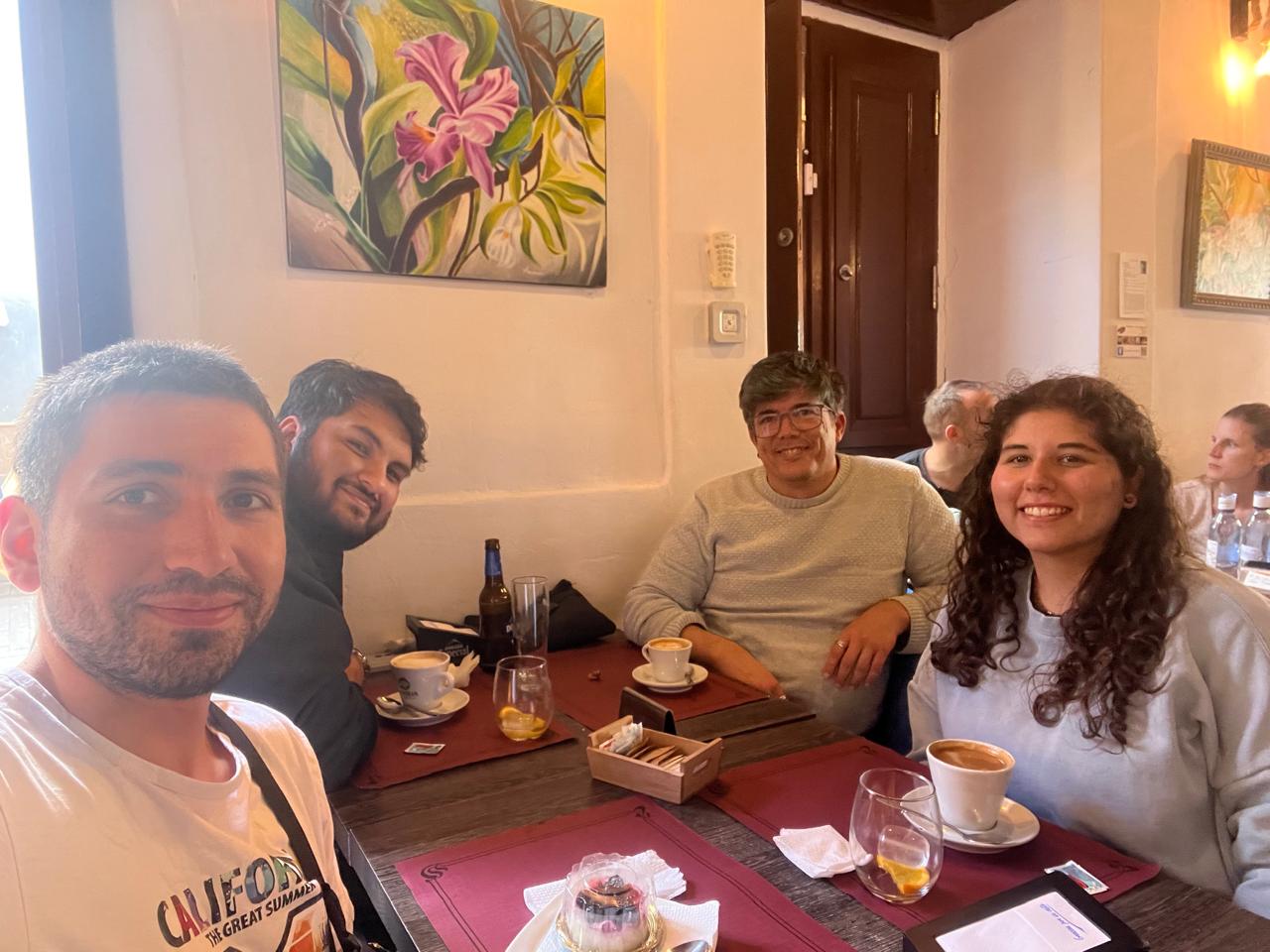
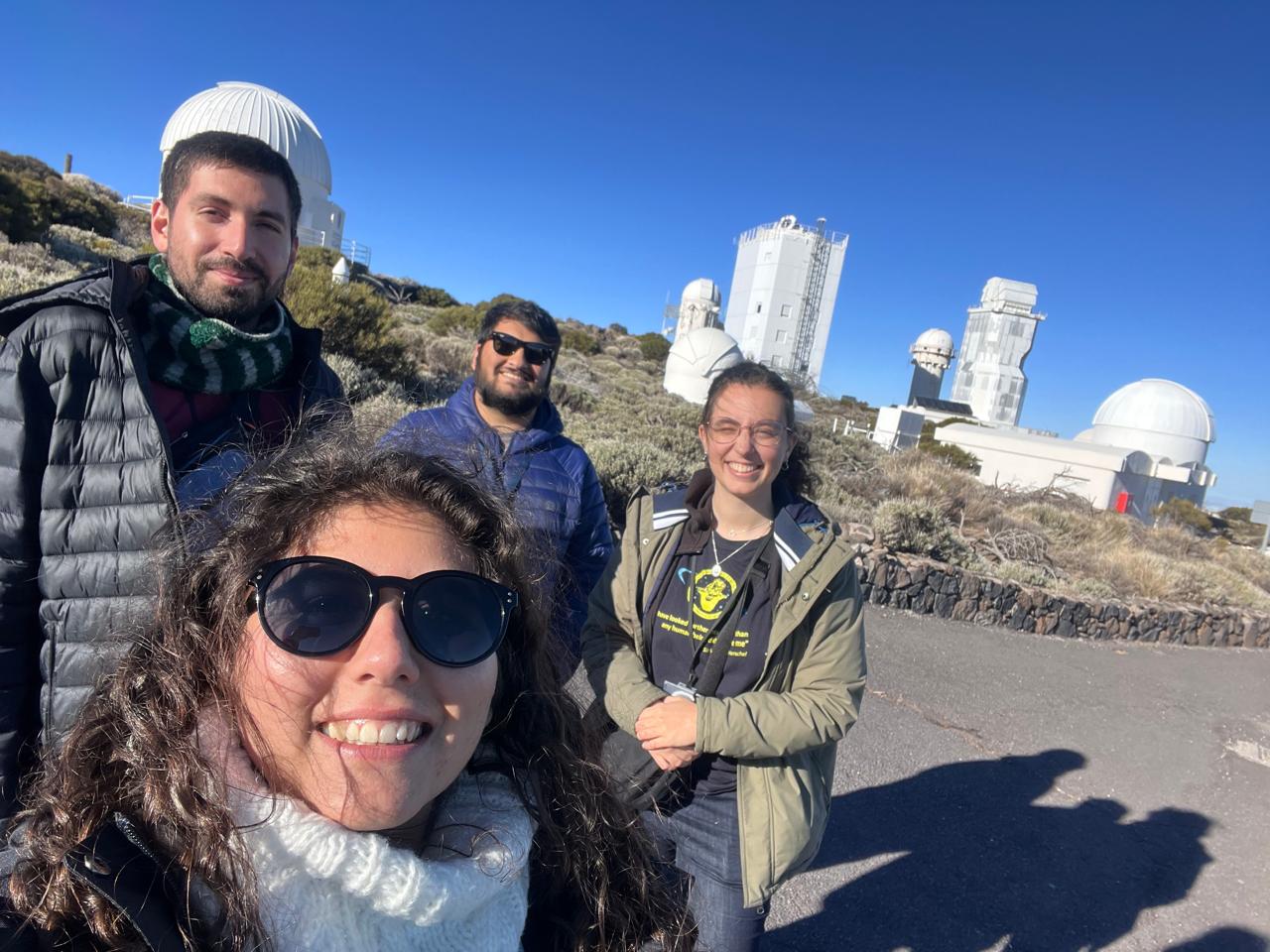
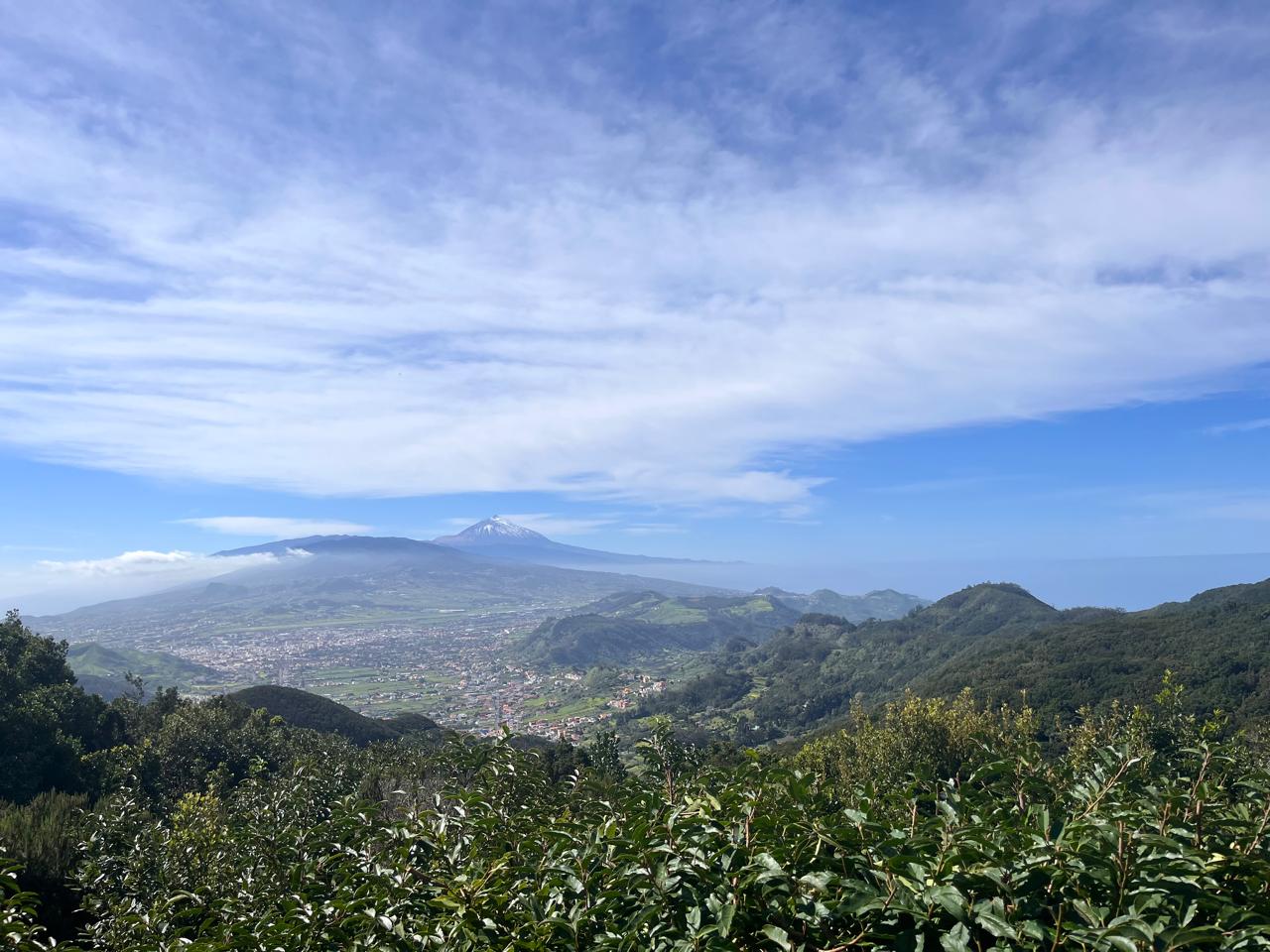
During the visit, together with Felipe Ortiz and Felipe Figueroa, we also had the opportunity to explore several beautiful places on the island, including the Drago Milenario. We also visited the Teide Observatory, thanks to the organization of the PhD student Alba Casabuenas from the group, which provided an excellent opportunity to learn more about the observational facilities operated by the institute.
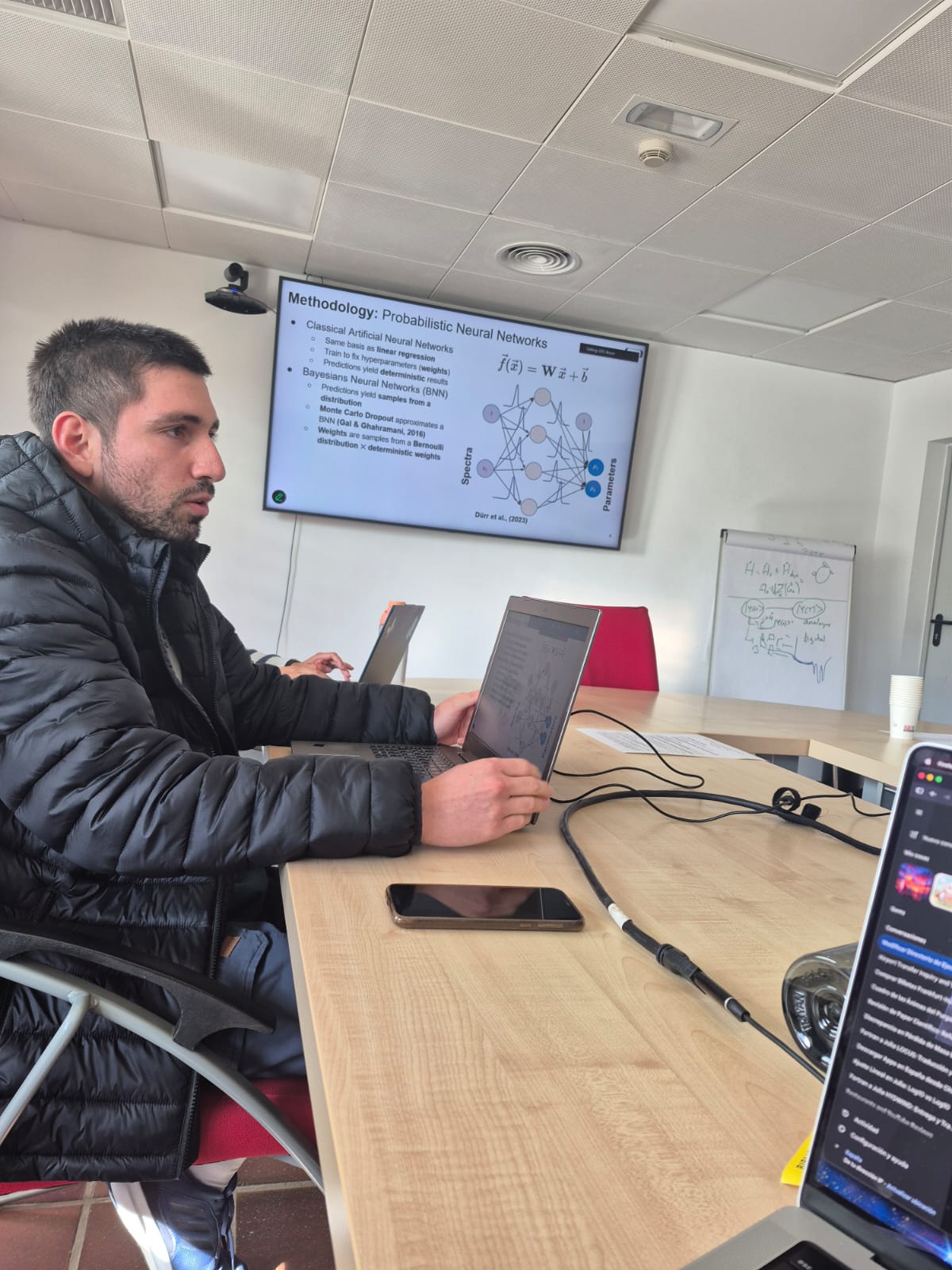
During my one-month stay at the Instituto de Astrofísica de Canarias (IAC) in Tenerife, I worked with Sergio Simón-Díaz. My project focuses on stellar and wind parameter estimation of massive stars using quantitative spectroscopy and neural networks with Monte Carlo Dropout. While the method performs well on synthetic data, extending it to observed spectra requires a substantial amount of real observational data. Sergio provided me with spectra from the IACOB database along with stellar parameter estimates produced by his group, and gave guidance on the most relevant spectral lines and parameters for this type of analysis. I spent most of my time at the IAC incorporating this data into the training pipeline and testing the resulting improvements. I also presented my work at one of the group's weekly meetings, which produced useful feedback on the project.
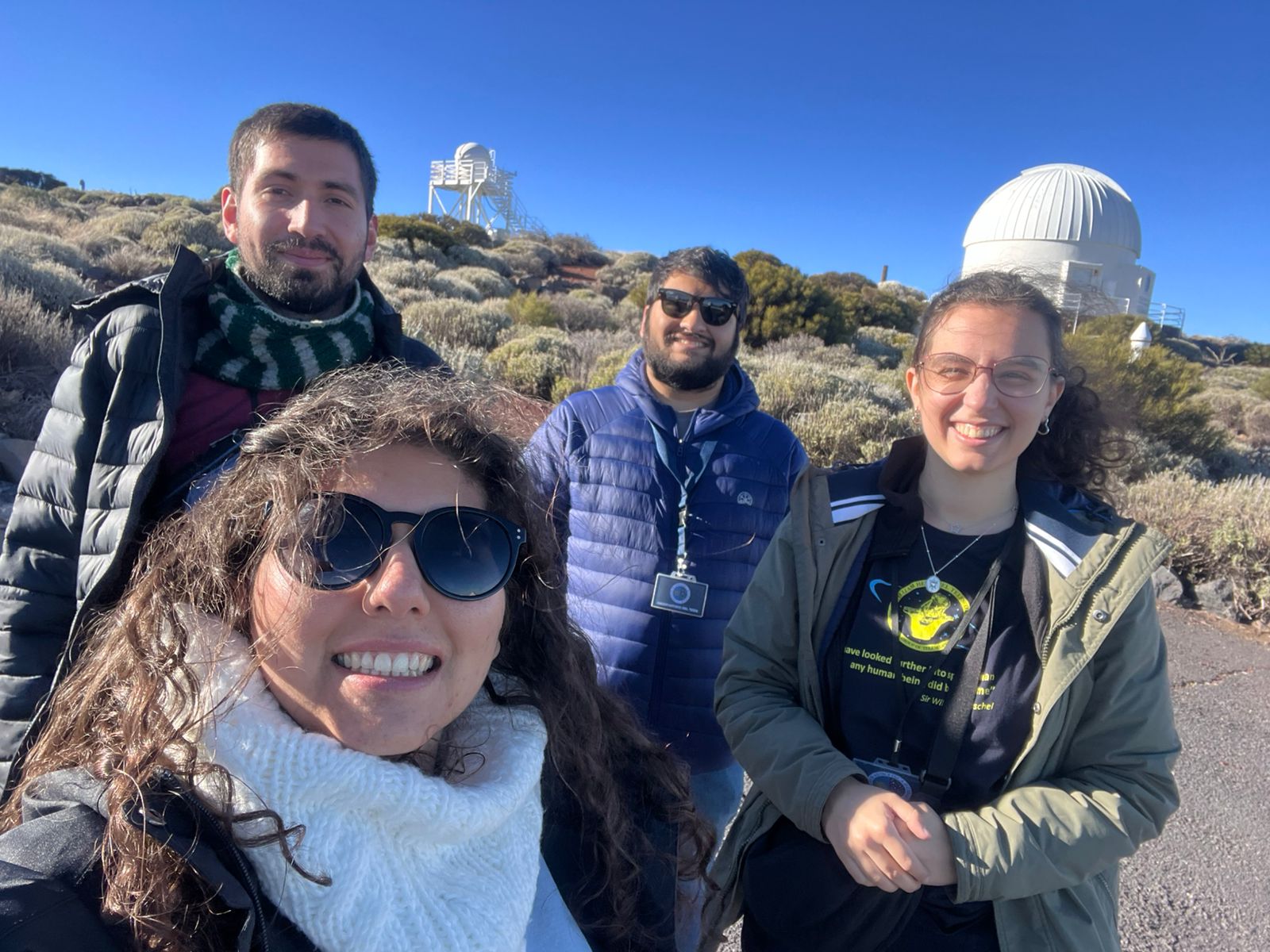
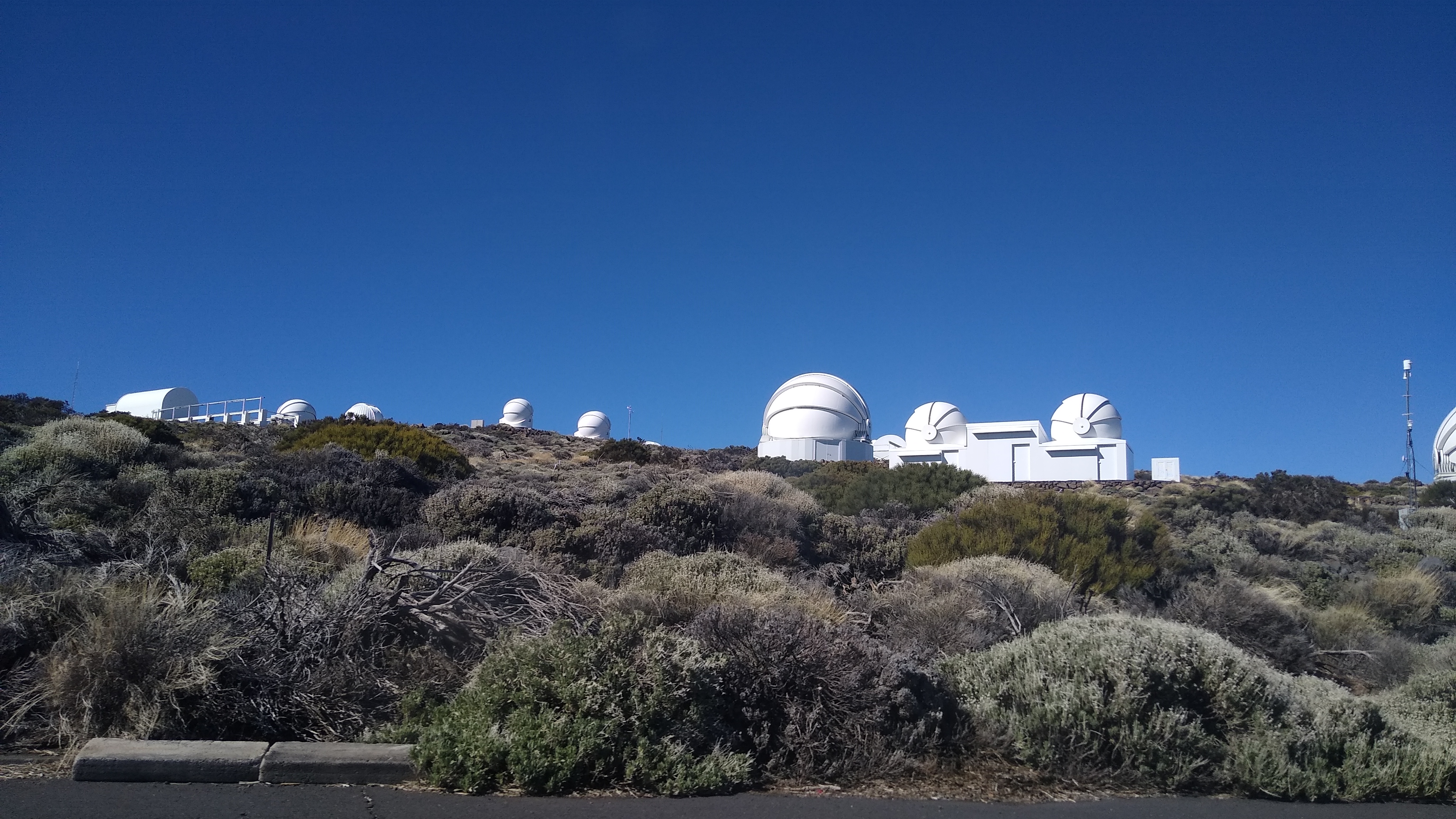
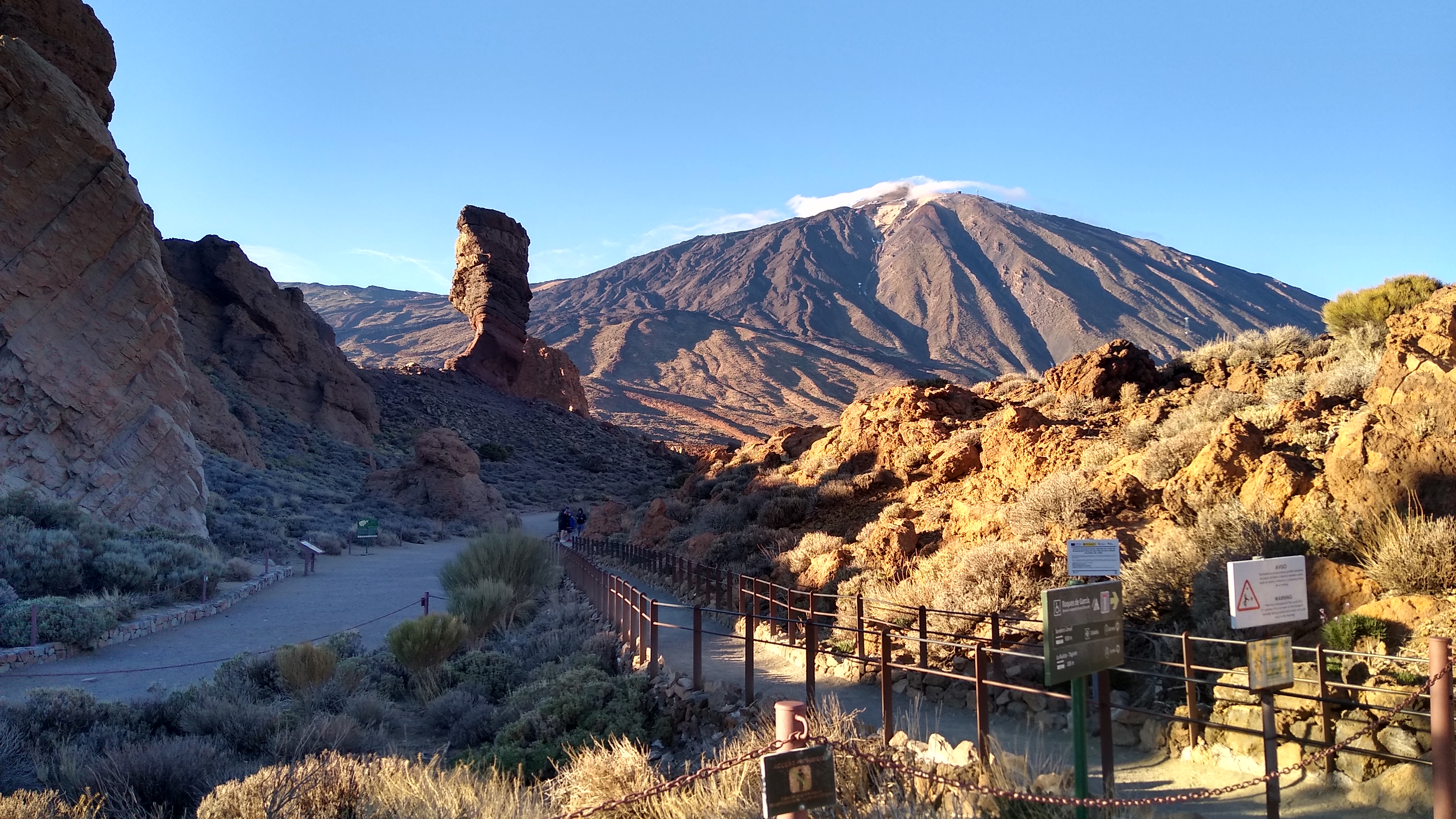
Outside of work, Alba Casasbuenas organized a visit to the Teide Observatory for me, Felipe Figueroa and Daniela Turis, two colleagues also completing their secondments at the IAC, which gave us the chance to see the facilities up close and appreciate the imposing presence of the volcano.
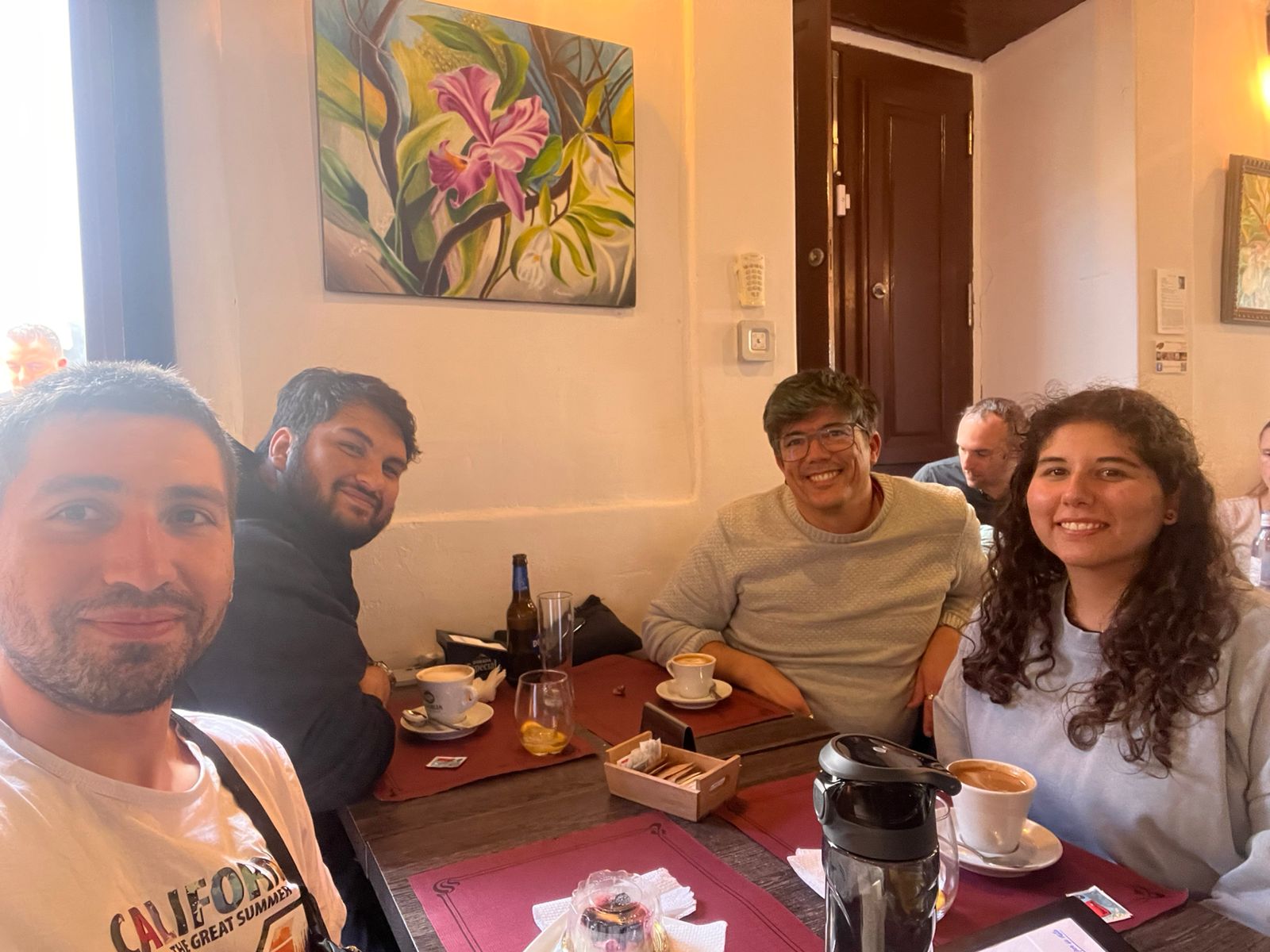
Together with these two colleagues, we also explored several parts of the island, including the streets of La Laguna, the natural trails of Anaga, a performance at the Tenerife Auditorium, the butterfly house in Icod de los Vinos, and the beaches of El Médano.
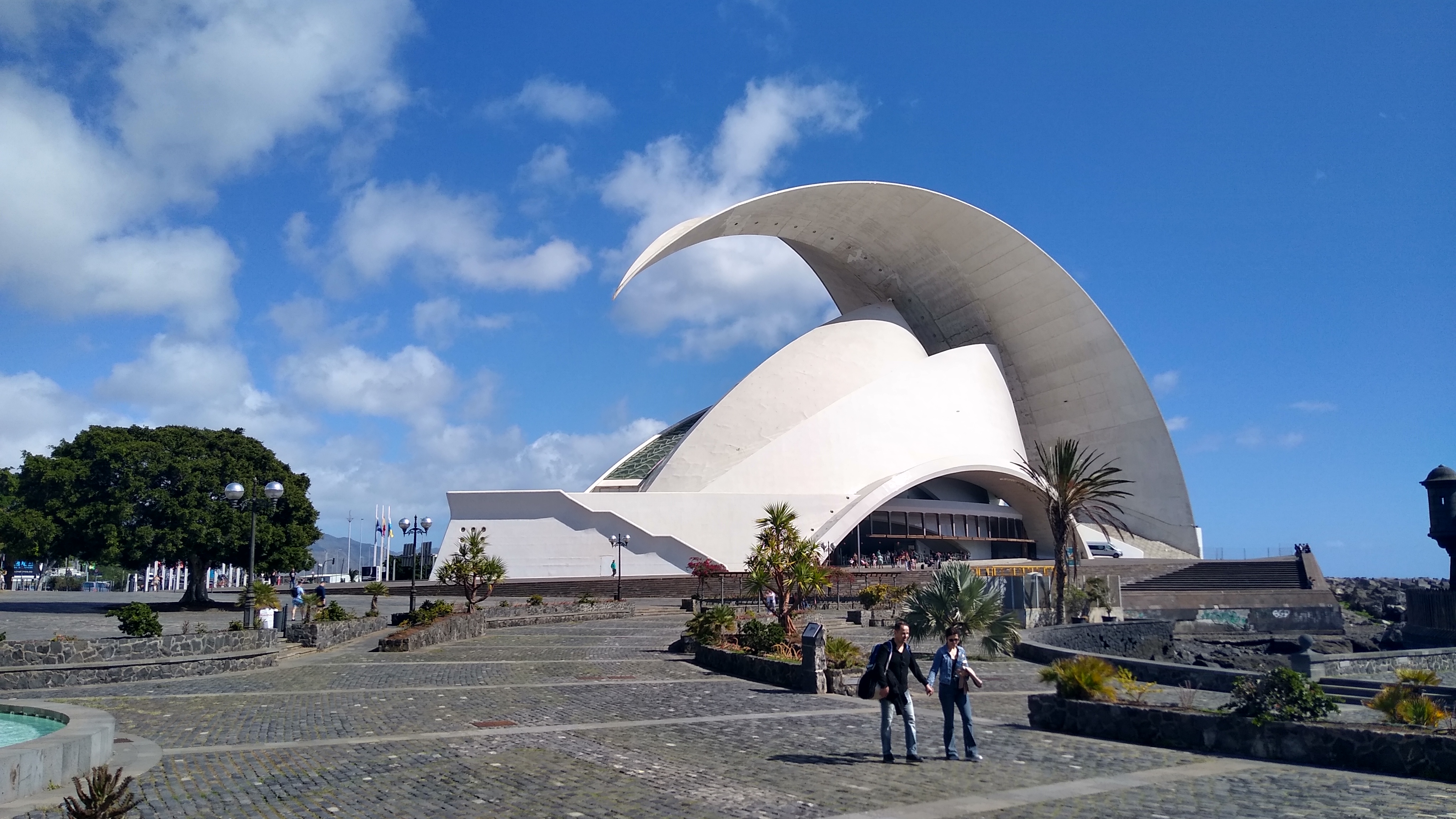
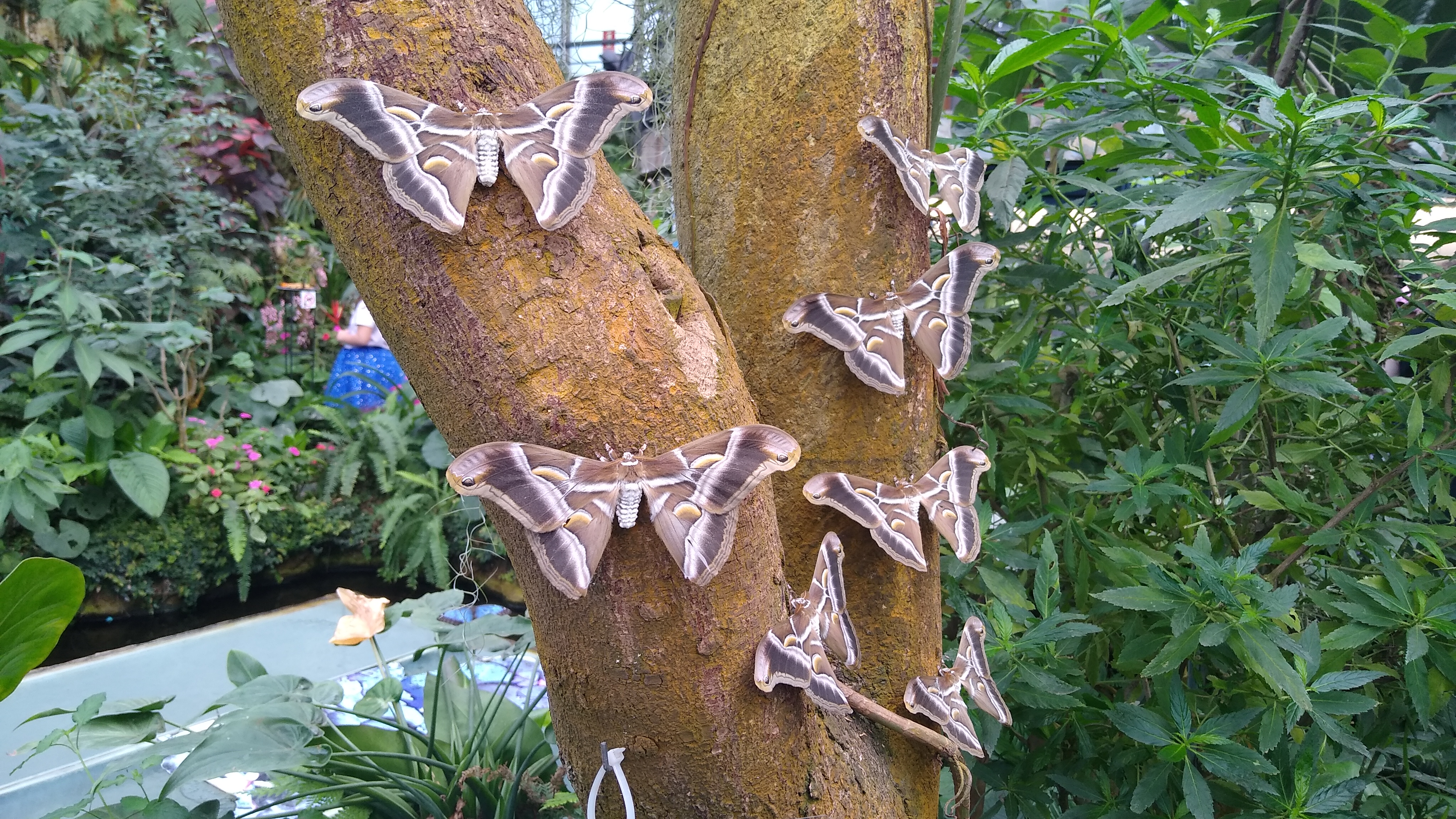
During my visit, I was hosted by Prof. Sergio Simón Díaz at the Instituto de Astrofísica de Canarias (IAC) in Tenerife, in the frame of the OCEANS project. The focus of the stay was advancing the self-consistent determination of stellar wind parameters in massive OB stars, using the LOCUS and HydWind codes within the theoretical framework of m-CAK line-driven wind theory. A good part of the time was devoted to improving and refactoring the existing codebase — translating it into a more efficient programming language to substantially speed up the computation of wind models. Using a sample of the IACOB survey database of O-type stars, theoretical wind parameters were derived following the methodology of Figueroa et al. (2026). What remains ahead is checking whether the obtained parameters reproduce the observed line profiles, which will be assessed through FASTWIND to evaluate the physical consistency of the wind solutions — a natural next step that this secondment has helped set up.
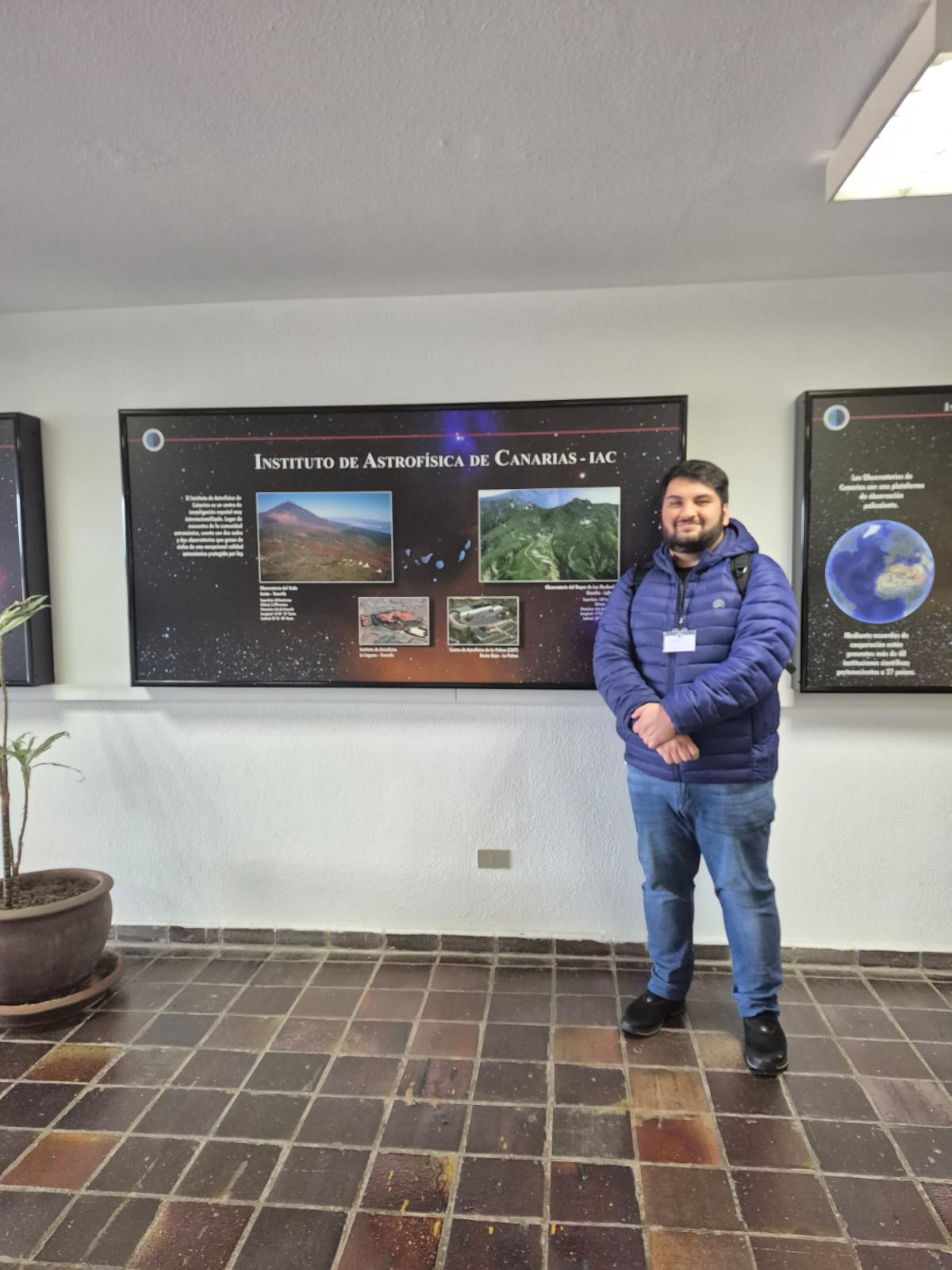
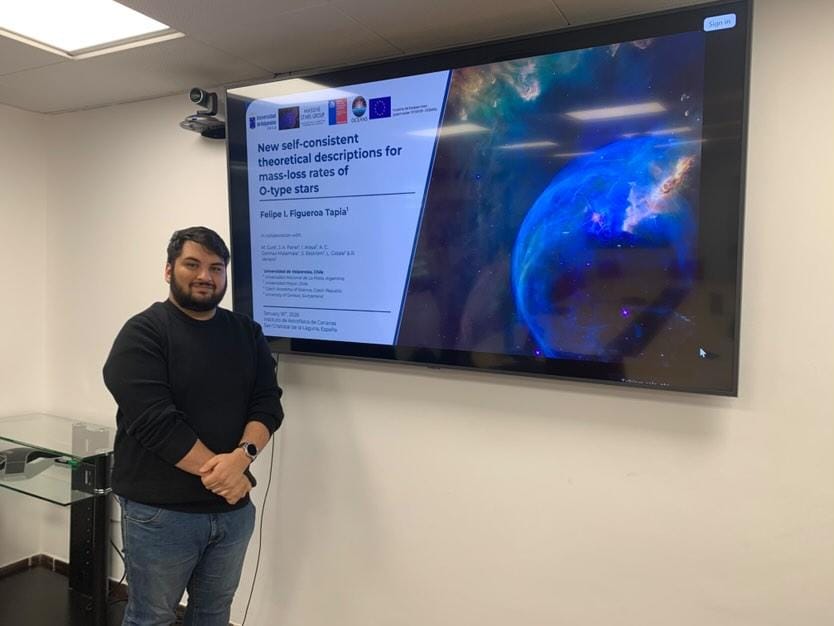
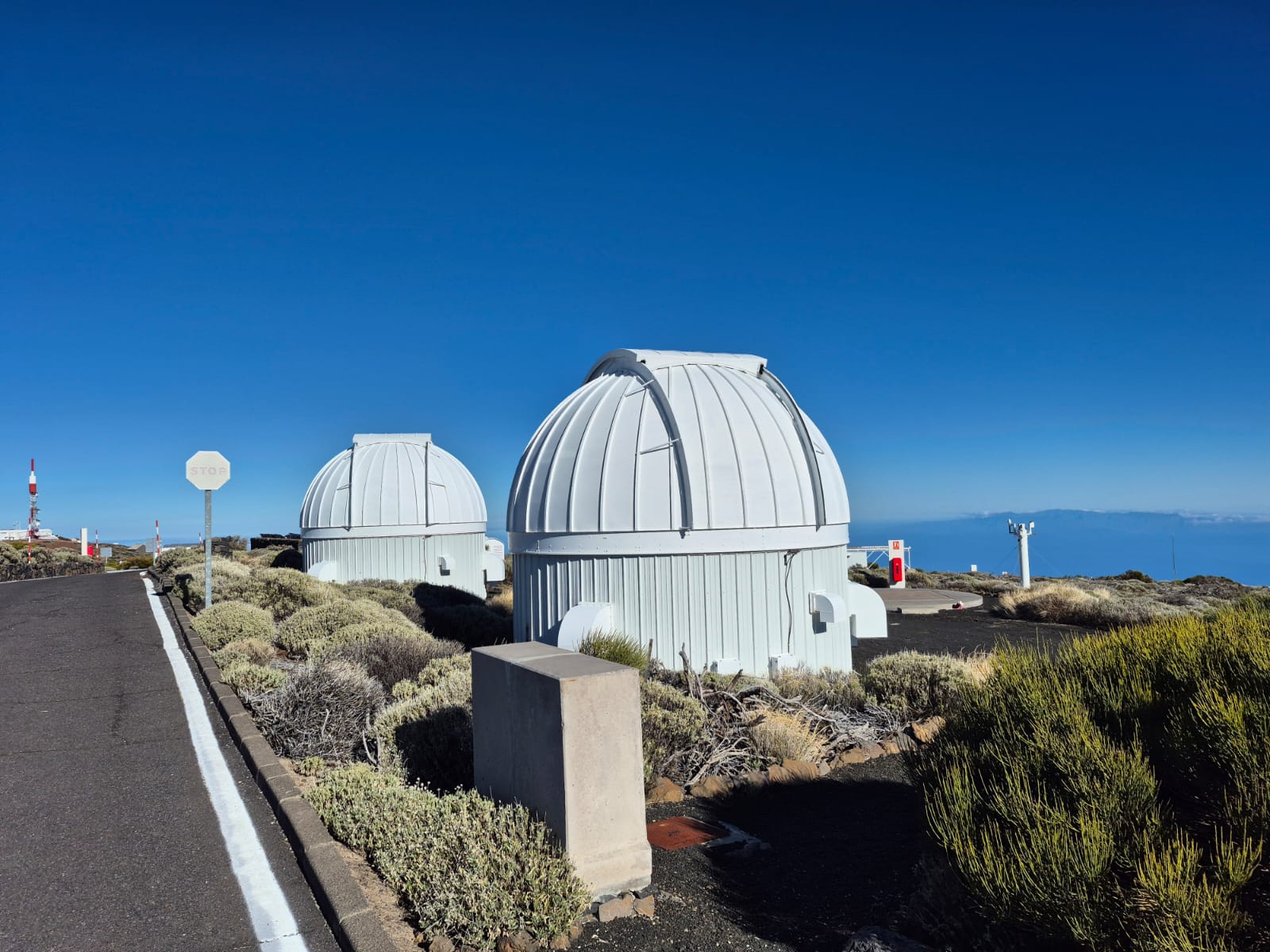
The atmosphere at the IAC was genuinely stimulating. I had the chance to attend the regular massive stars group meetings and connect with faculty members and postgraduate students working in the field — conversations that more often than not spilt beyond the meeting room and into broader discussions about hot star physics. A highlight was the visit to the Observatorio del Teide, where getting to see the various telescope facilities up close was a real treat. I also had the opportunity to present my own work at one of the group meetings, which was a valuable experience both for communicating recent progress and for getting direct feedback from the community.
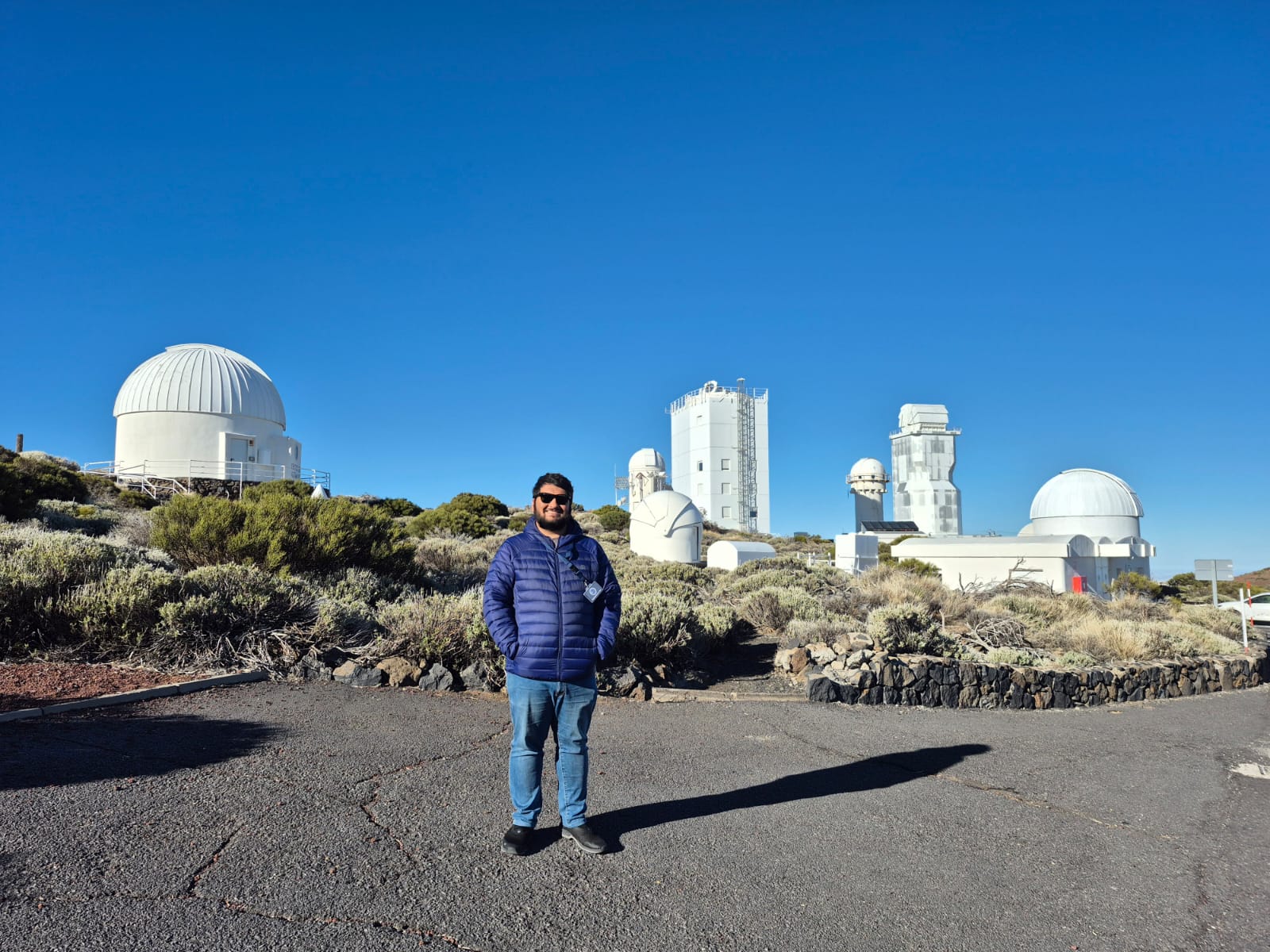
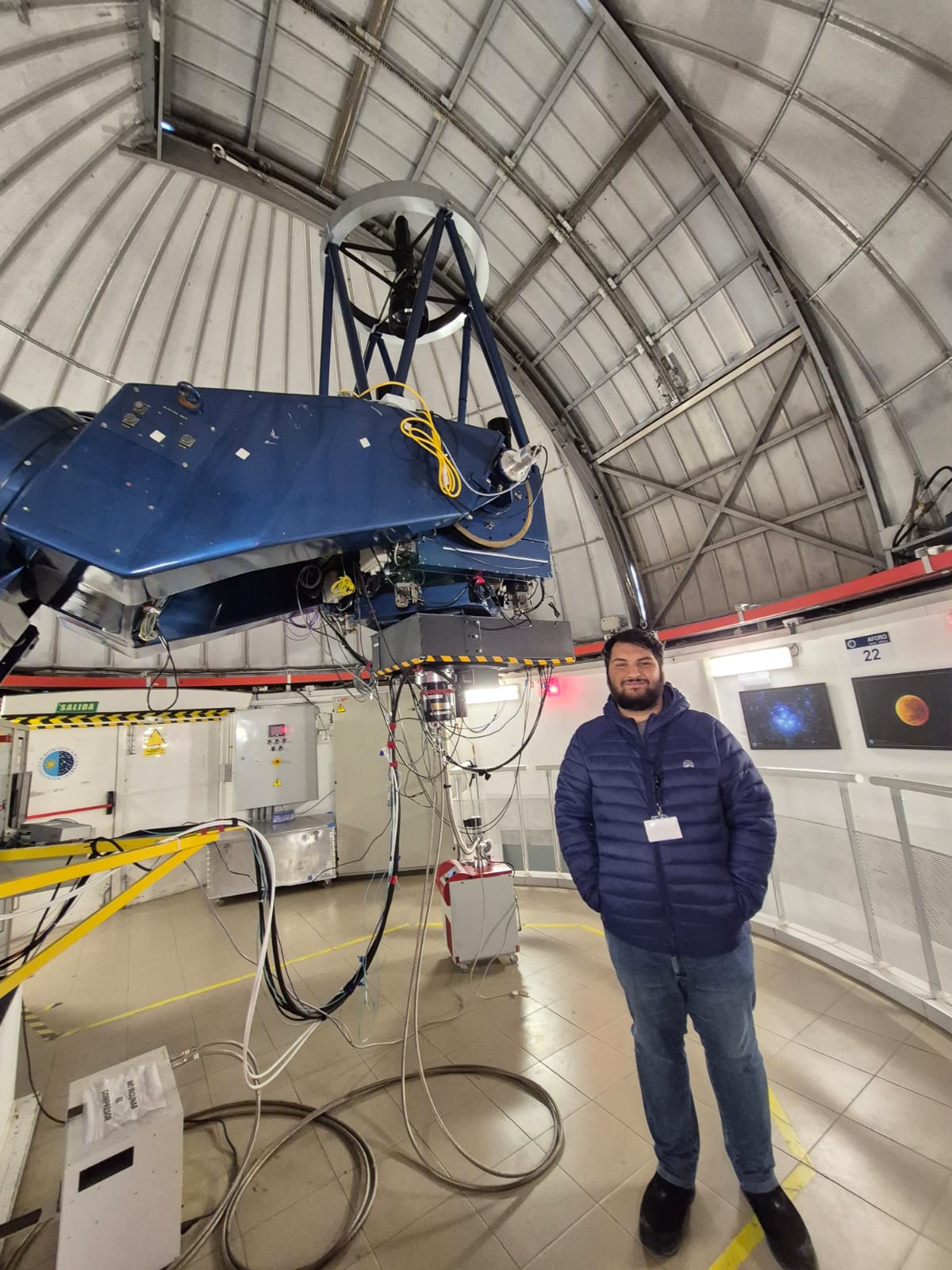
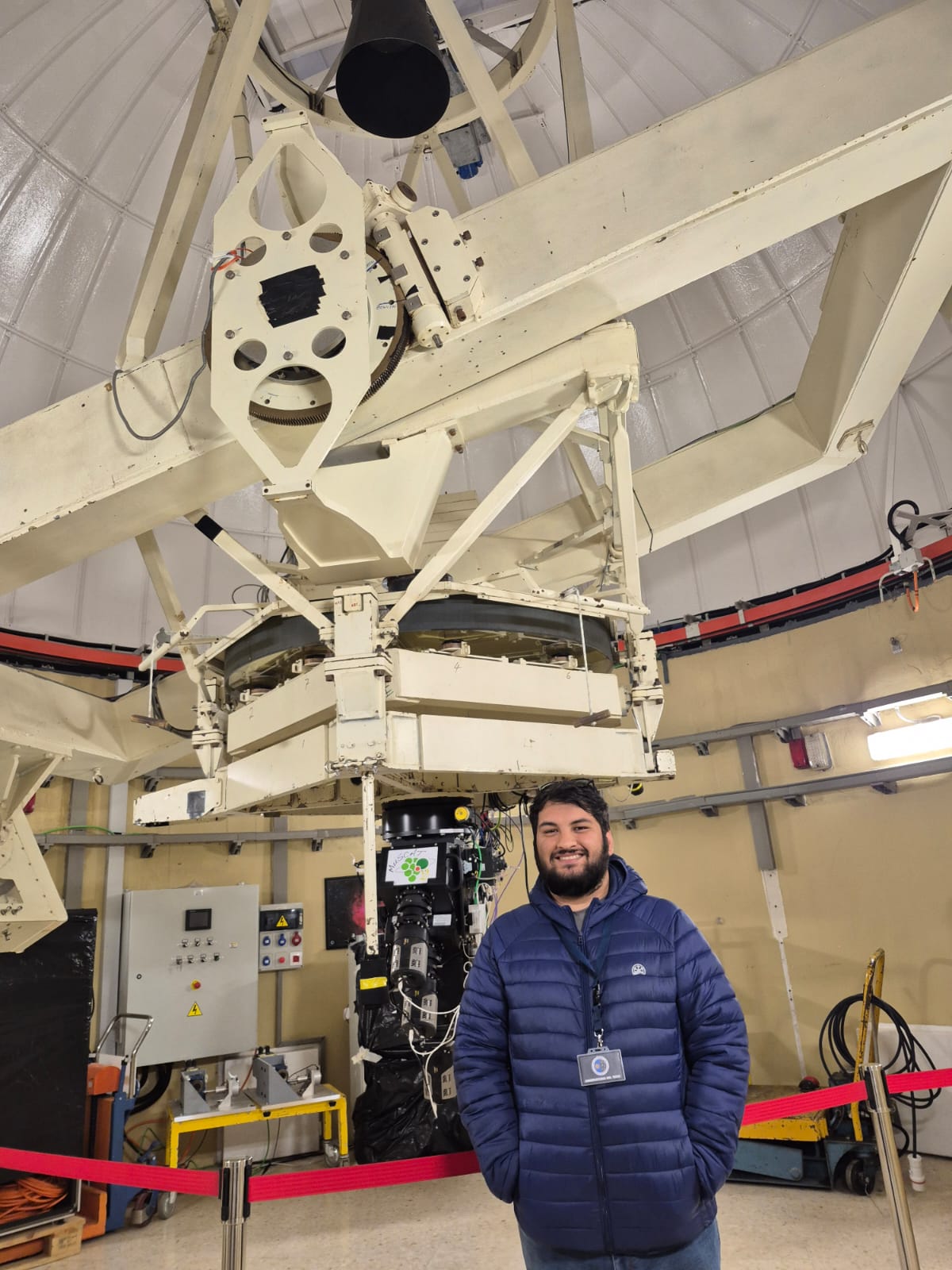
On a more personal note, Tenerife turned out to be an absolutely beautiful place to spend a month. Beyond La Laguna and Santa Cruz, I got to visit Icod de los Vinos, El Médano, and Candelaria, covering quite a bit of the island. The mild climate and the genuine warmth of the people made the stay not just productive but truly enjoyable. It's the kind of place that makes it hard to leave.
At the beginning of 2026, from January 4 to February 3, I was hosted by prof. Lydia Cidale at the University of La Plata (UNLP), in the frame of the OCEANS project. The subject of our ongoing collaboration is the study of variability in B-type supergiant stars (BSGs) using public available data from large-scale photometric surveys and optical spectroscopy conducted and processed by the host group. With recently obtained observing time with the Jorge Sahade (JS) 2.15m telescope at the CASLEO observatory, we were co-planning our observations of BSGs that will be simultaneously monitored by the TESS telescope, during the period February-May 2026. The synergistic approach using ground and space-based data will help us to untangle the origin of the fine photometric variability, investigate possible connection between the stellar wind and pulsations, and to draw correlations with the parameters of these objects. Moreover, along with the PhD student M. Ruiz Diaz, time was also devoted on the analysis of multi-periodic signal and red noise of five BSGs as part of an ongoing study of their wind (Ruiz Diaz in prep.), whereas the contamination in the light curves of BSGs and the ways to addressing it using modern tools was explored along with the PhD student A. Alberici. With the latter student, we co-planned observations of binaries containing BSGs during the upcoming observing program for the purposes of modeling their orbital parameters, an objective of my next secondment trip to UNLP with OCEANS.
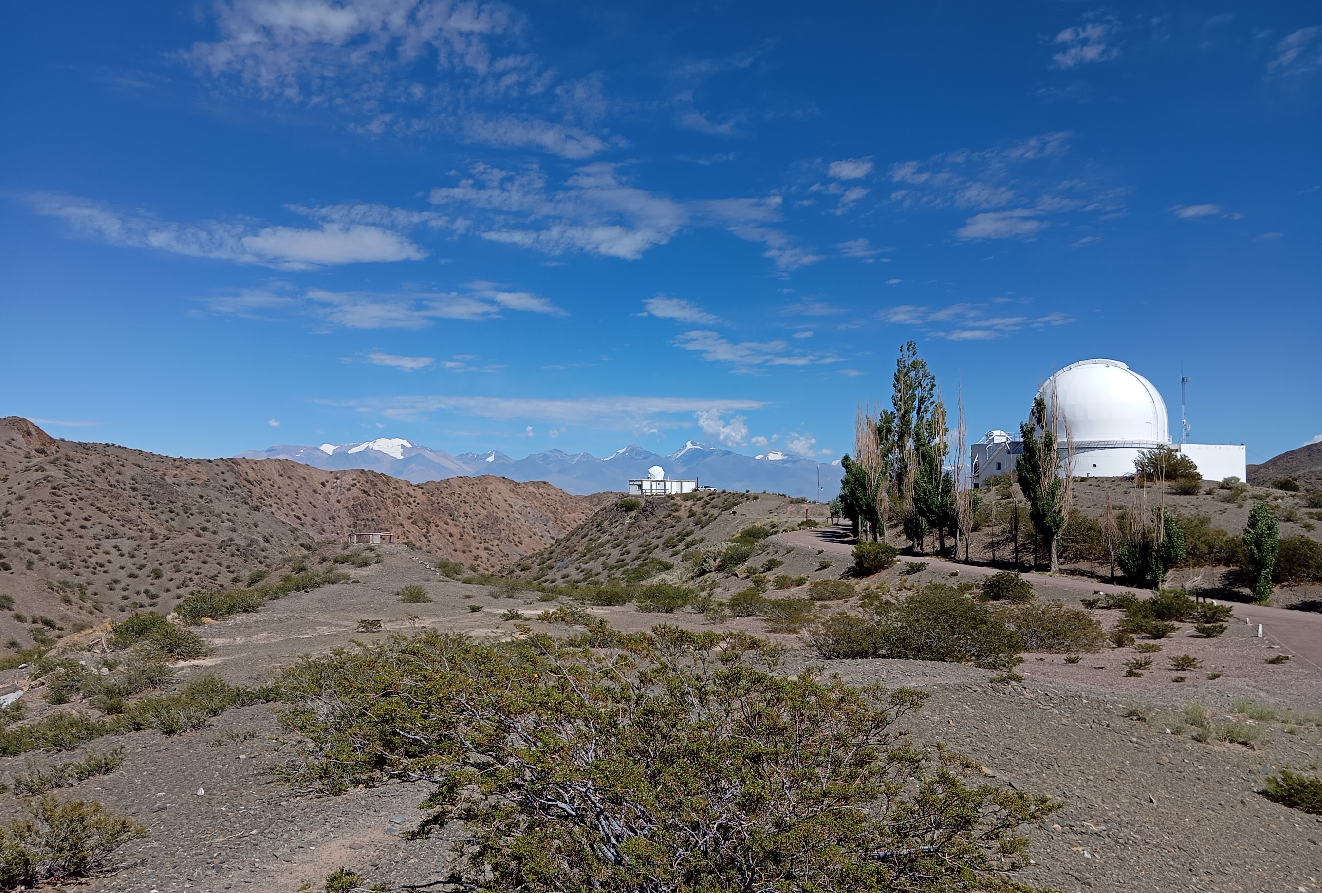
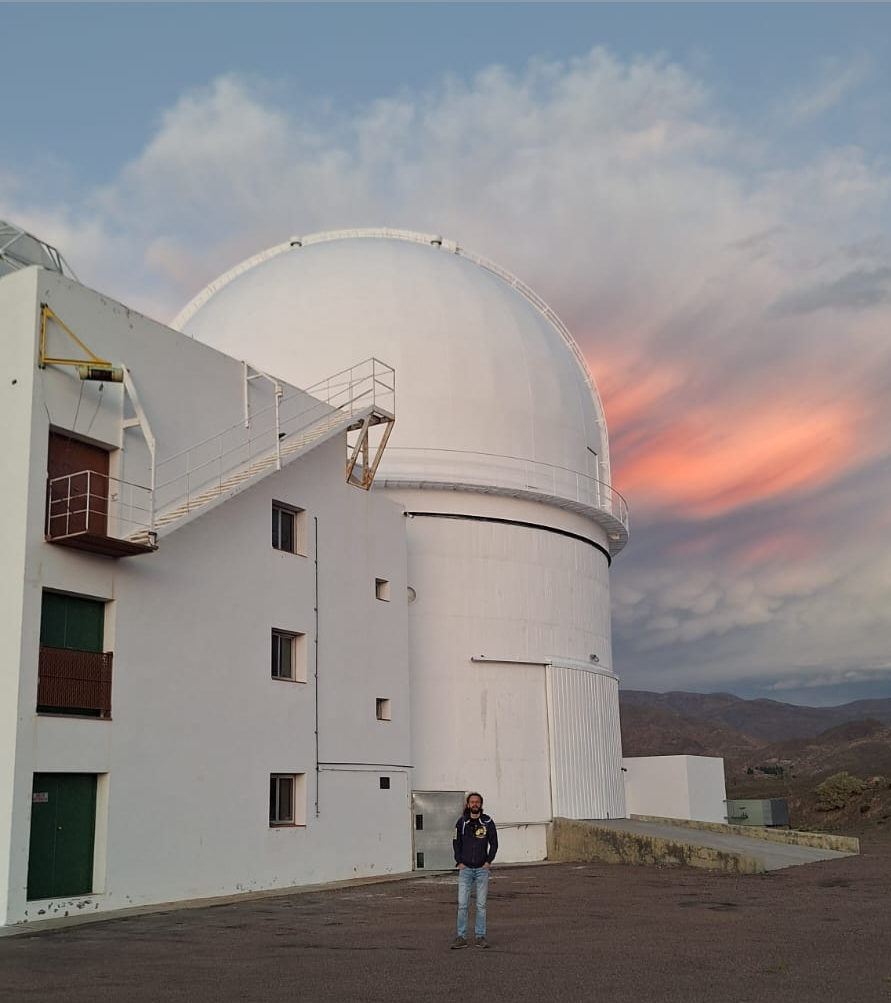
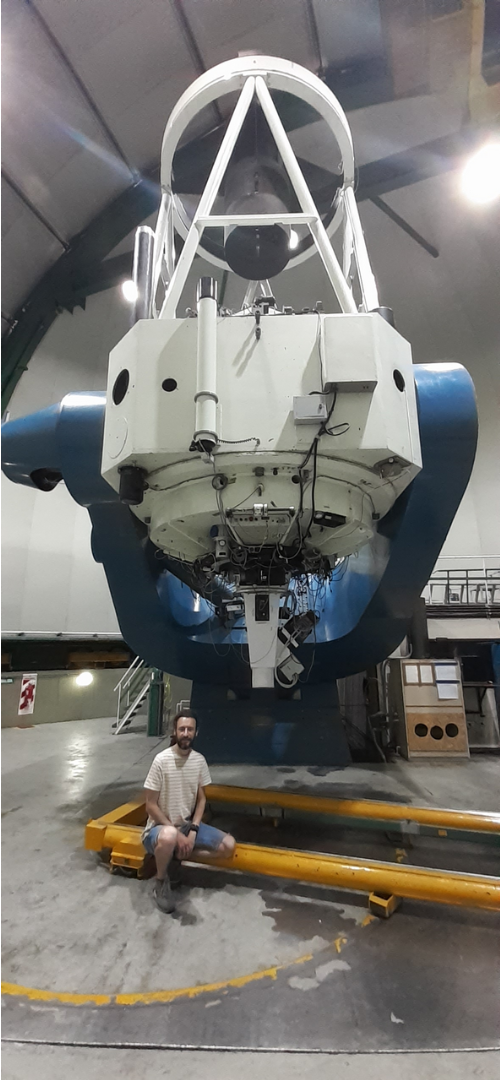
The period of Jan 17-22 was exceptionally intriguing, as I had the chance to attend the observing procedure led by M. Ruiz Diaz and L. Cidale, at the JS 2.15m telescope. Our trip to the province of San Juan and then, to the facilities of the CASLEO observatory at the altitude of ~2300 m, was a stimulating experience. The trip served the purposes of a BSG study of Ruiz DIaz, yet I had the chance to also obtain data of a transition-phase massive star and synchronously with the TESS satellite, as a foretaste of the upcoming program. Beyond this experience, the desolate landscape of the Argentinian mountains offered some memorable moments.
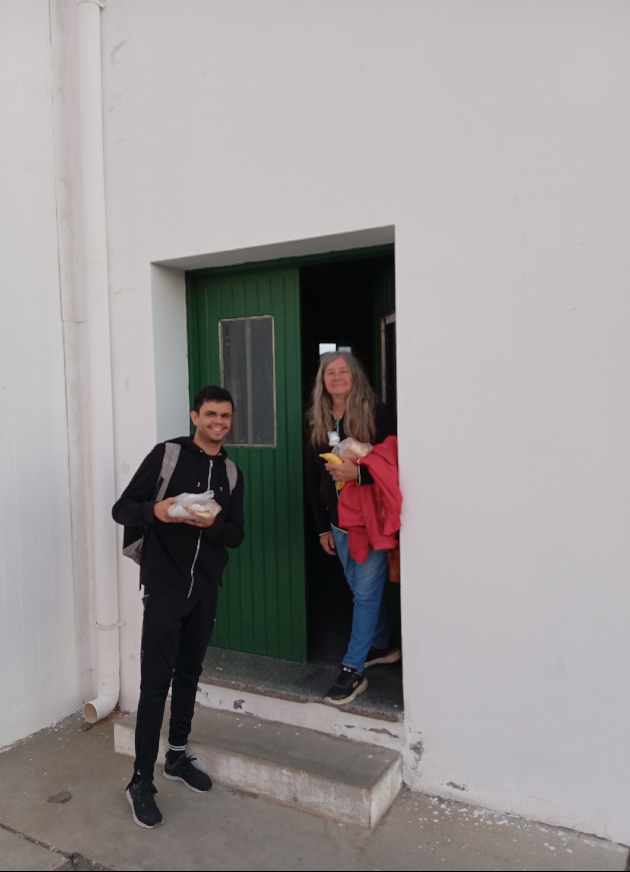
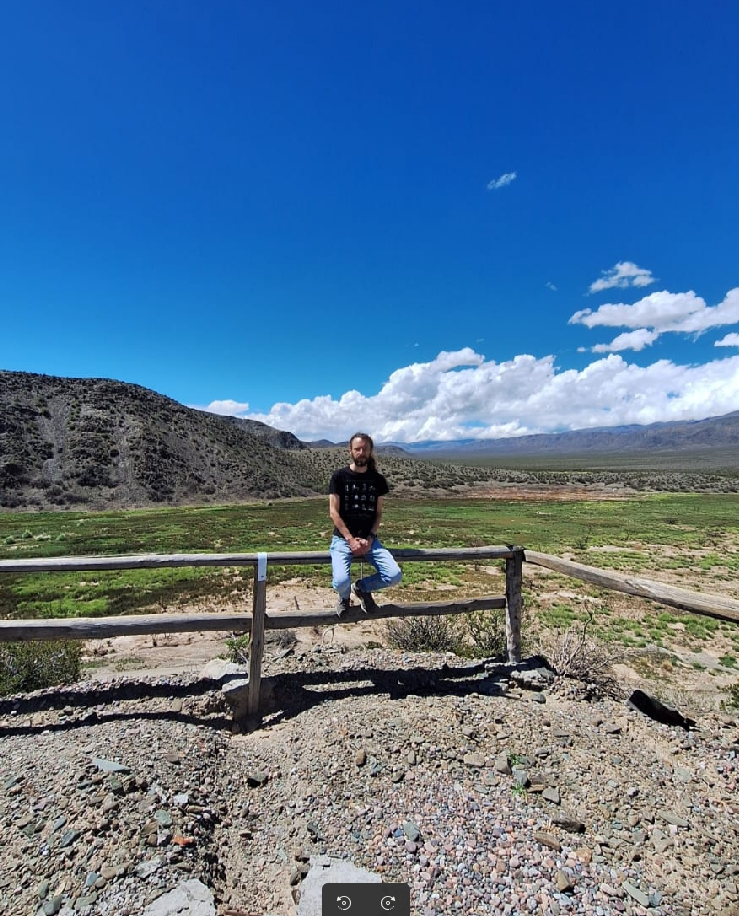
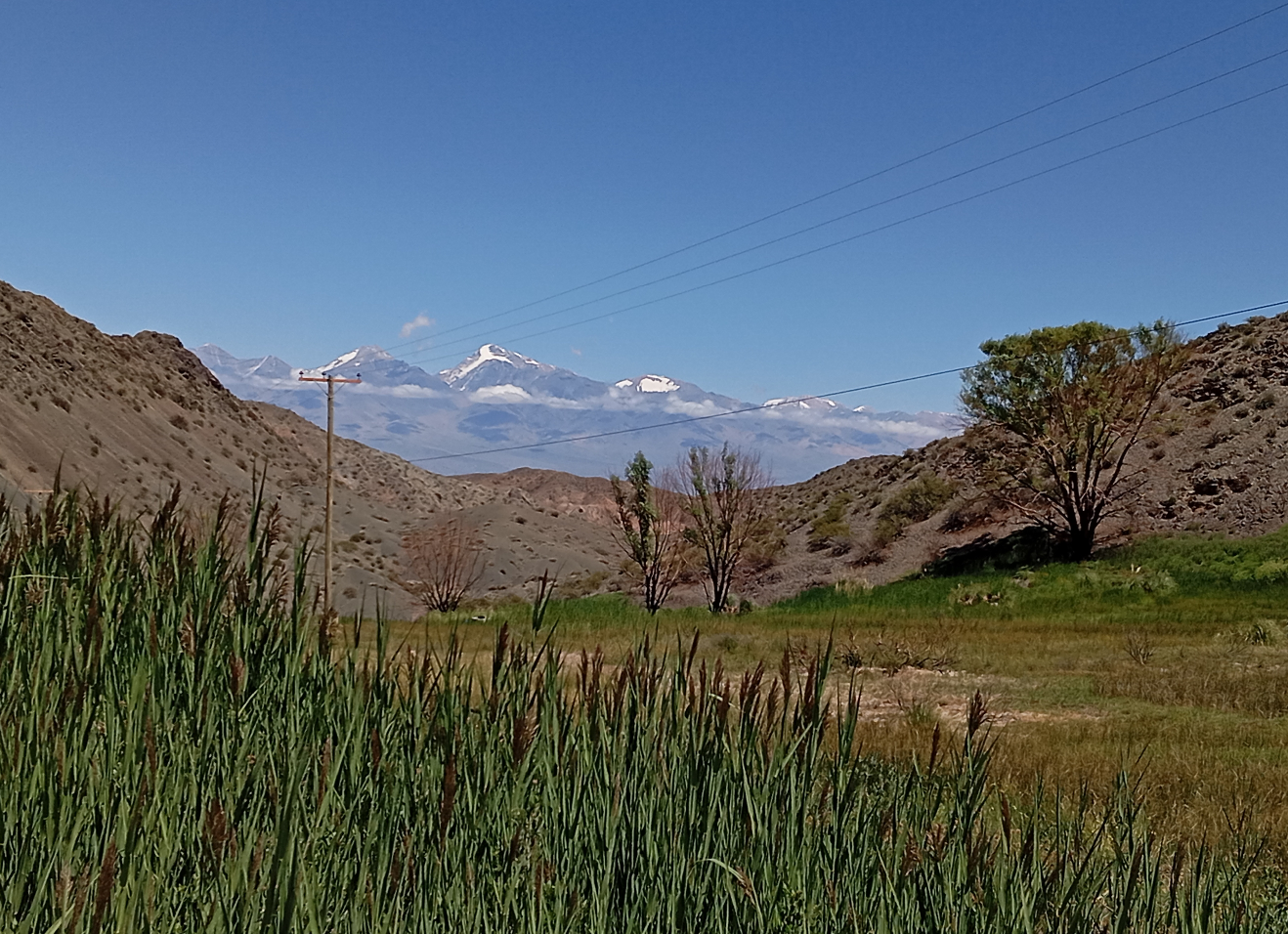
Thanks to OCEANS, distances are shortened and different cultures are met. The hot climate in the city of La Plata was challenging during January, yet it was nicely balanced by the smooth collaborative workflow.
During my stay in Valparaiso, I worked with Rodrigo Meneses at the Faculty of Engineering of the University of Valparaiso. Our main objective is obtaining precise values for the non-adiabatic pulsation modes of massive stars with highly non-adiabatic envelopes (log(L/M)>4). In order to accomplish this, we are studying the Riccati method using a shooting method independent of the adiabatic roots, which are known to be very different from the non-adiabatic ones in this case. We began deducing the perturbed equations for the radial and non-radial case assuming linear perturbations. We focused on radial pulsations. We wrote the pulsation equations as a function of the radius. We applied the Riccati method and obtained the Riccati equation as a function of this variable. This method requires the proper selection of an intermediate grid point to obtain the set of equations for the interior and external regions of the star. In order to select this value, we developed a MESA model of a massive star at the post-RSG stage with high log(L/M) and studied the asymptotic behaviour of the stellar structure coefficients involved in our set of equations, in function of the radius for this MESA model. Our next step is to discretize the problem.
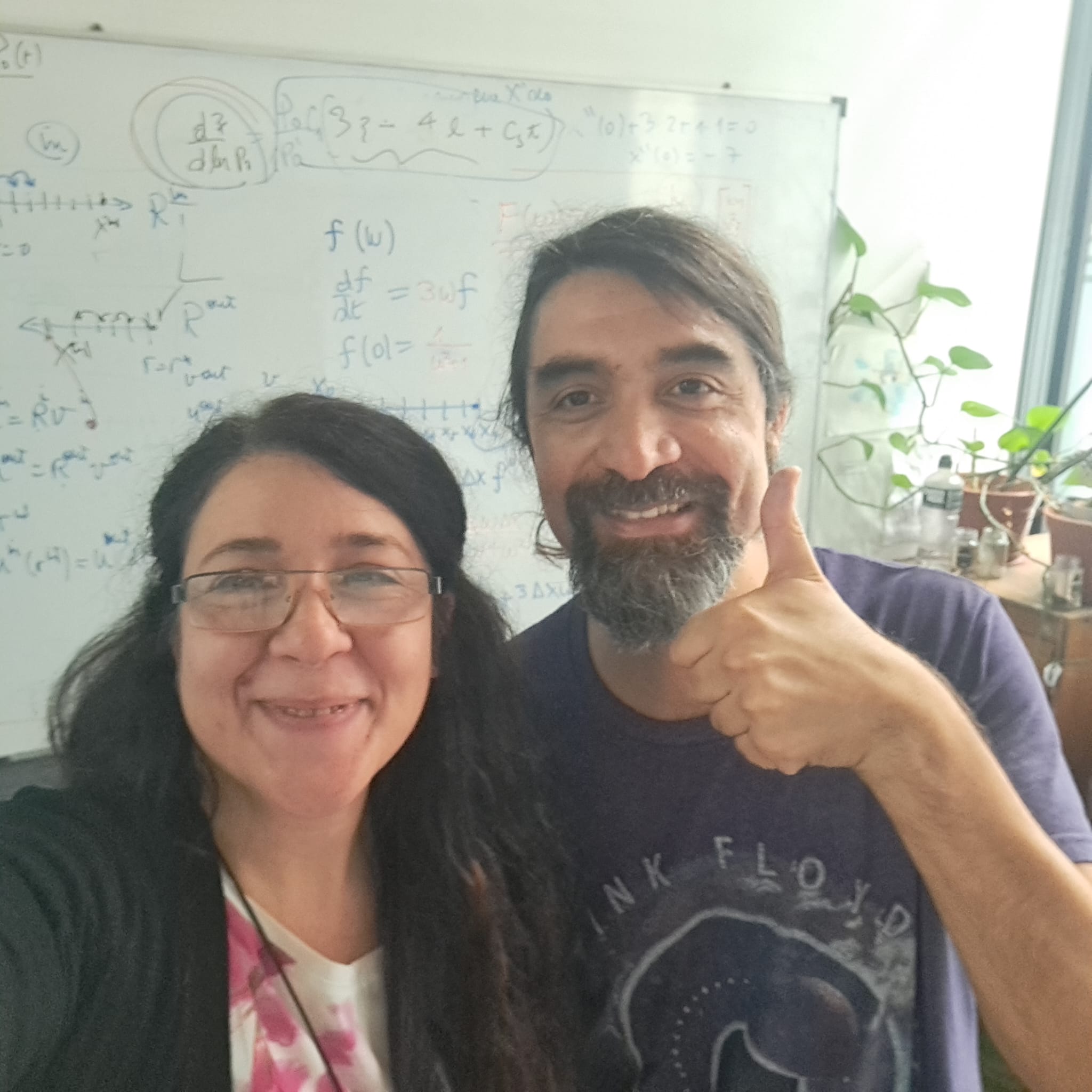
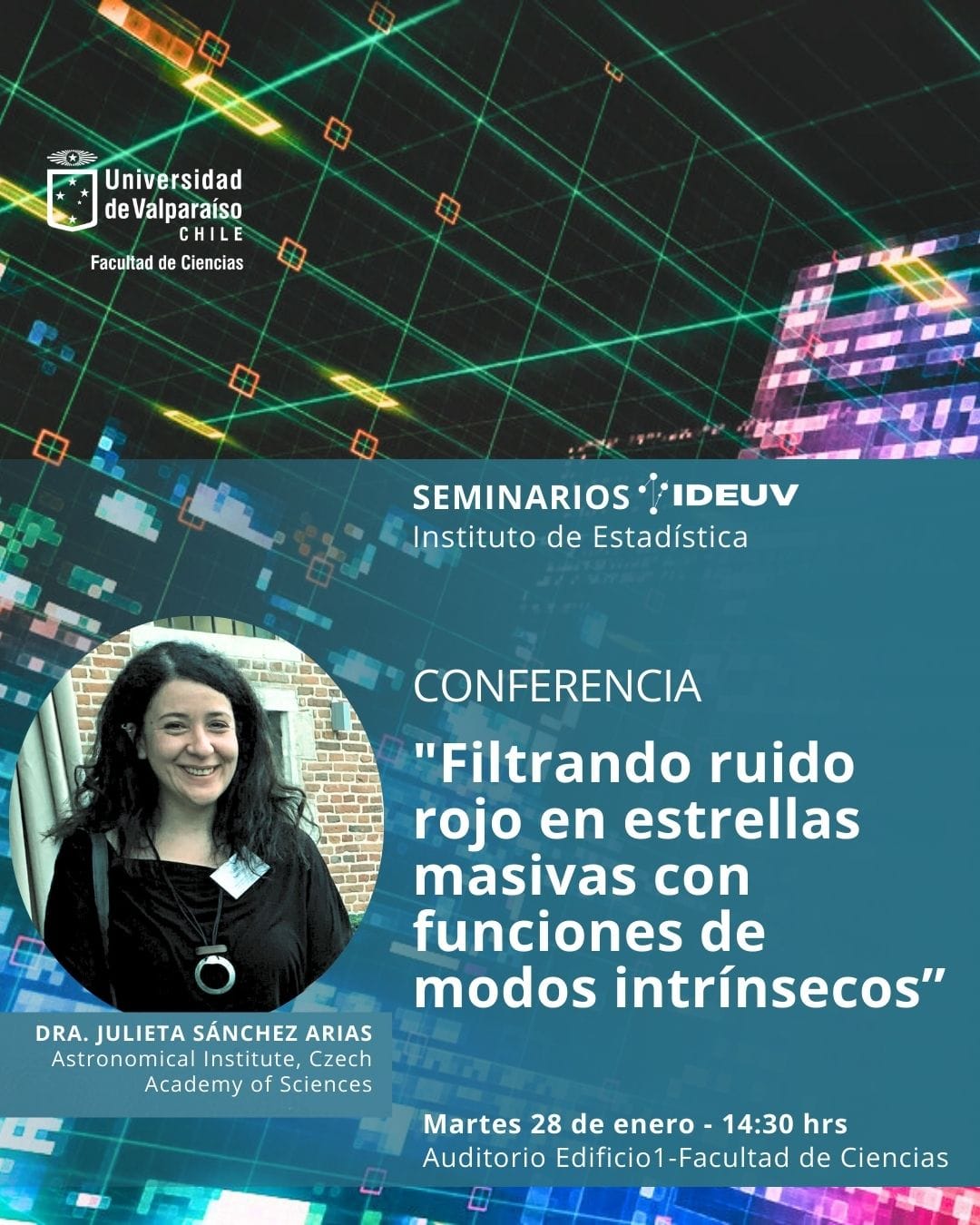
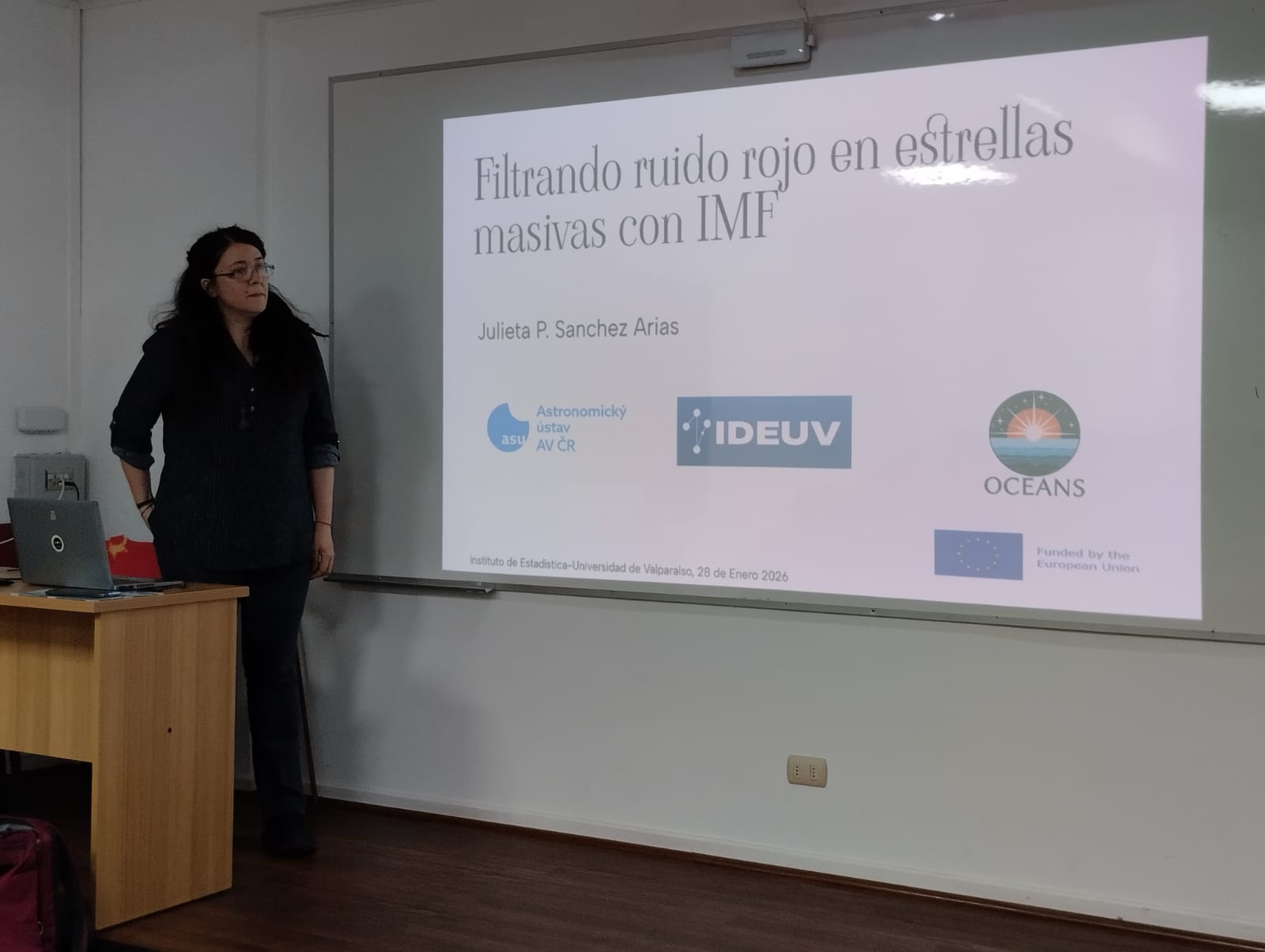
Besides my work with Rodrigo, I had the chance to discuss my paper on the use of Intrinsic Mode Functions (IMF) to analyze the red noise in massive stars with Alejandra Christen at the Statistical Institute of the University of Valparaiso and I gave a seminar on this topic entitled “Filtering red noise in massive stars with IMF”. I also joined Alejandra and other professors at the “PhD Student Seminar 2025 “ devoted to the training of phD students in the presentation of their research projects.
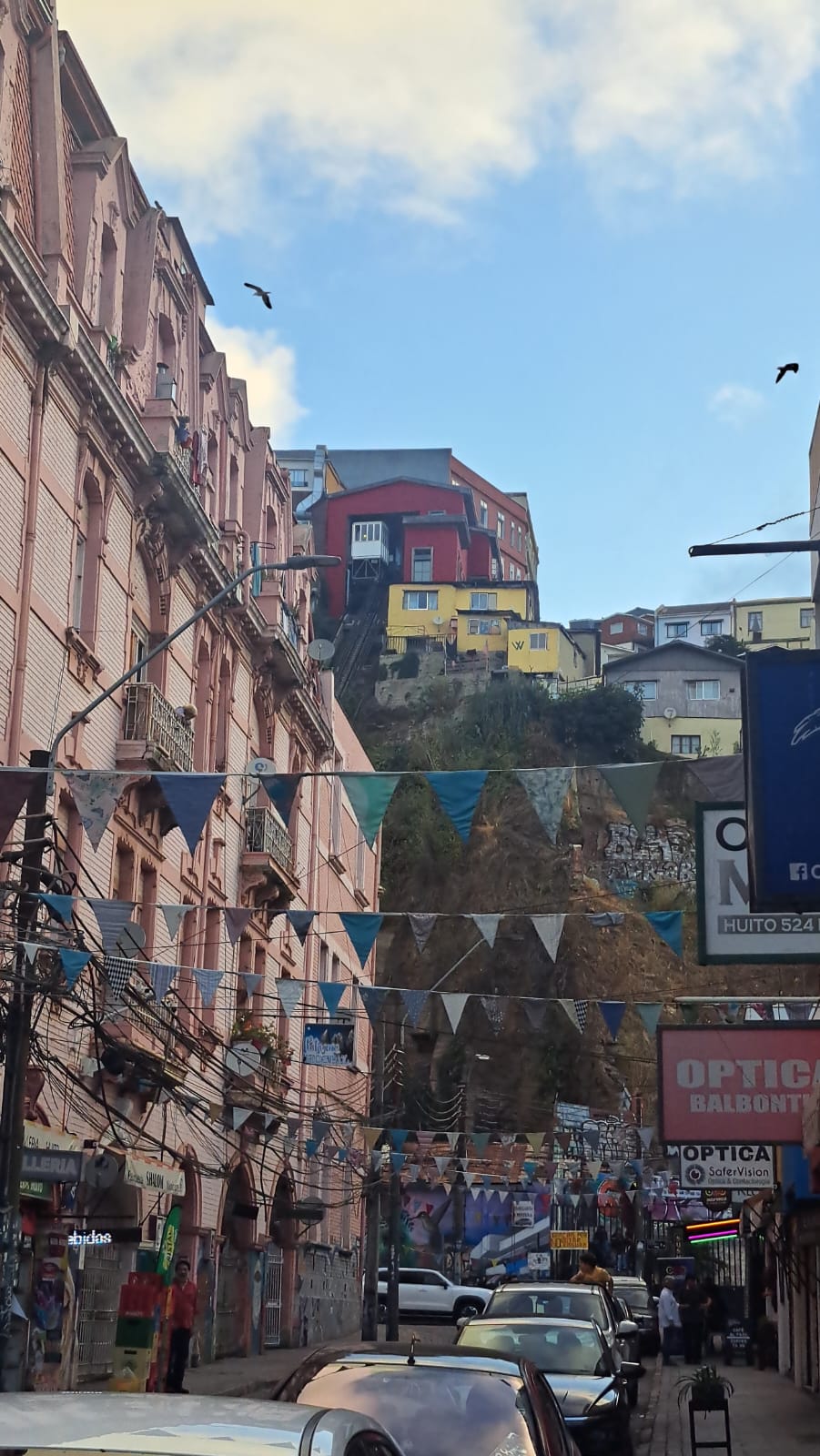
Beyond work, I enjoyed Valparaiso’s traditional cuisine, the beach, and the breathtaking landscapes. I am deeply grateful to Rodrigo, Alejandra, Michel Cure and Catalina Arcos for their kindness, time, and the nice moments we shared. They made my stay meaningful, valuable for my work, and really enjoyable. I'm looking forward to visiting Valparaiso again!
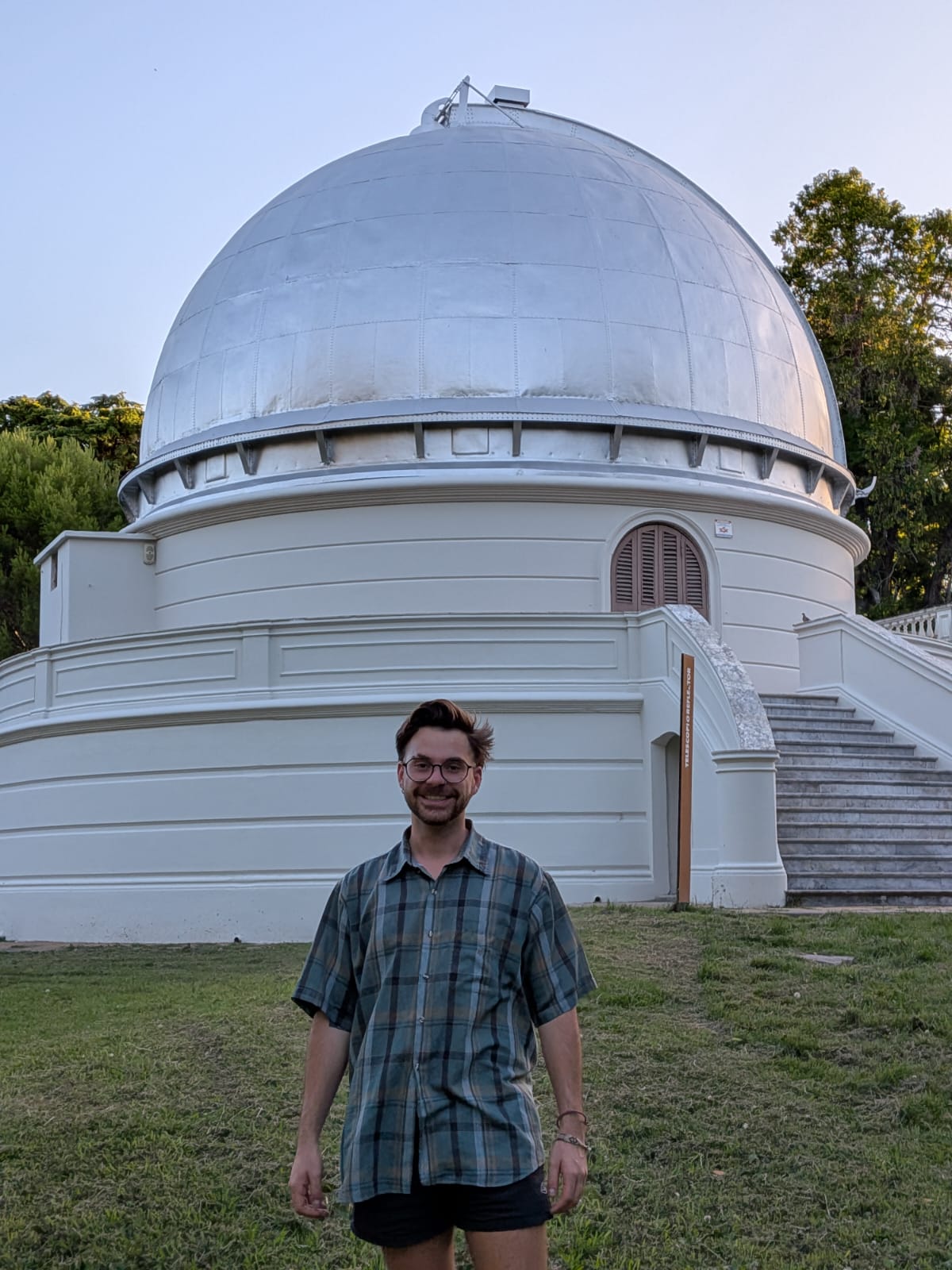
During this stay at the Facultad de Ciencias Astronómicas y Geofísicas of the Universidad Nacional de La Plata, I worked with Jorge Combi, Federico García, and the GARX group on several projects related to high-mass X-ray binaries. It was a very productive period, with many useful discussions and significant progress on different ongoing lines of research. The visit was particularly important because it allowed us to finalise and submit the articles we had been working on throughout the past year, which have recently been accepted for publication. On a personal level, returning to La Plata always means a lot to me, since it was at this university that I studied Astronomy before moving to the Instituto de Astrofísica de Canarias to pursue my PhD. For that reason, coming back is always special, both professionally and personally. Stays like this are important not only because of the science, but also because they help maintain a close and active collaboration with a group that I value deeply, not only as colleagues but also as friends.
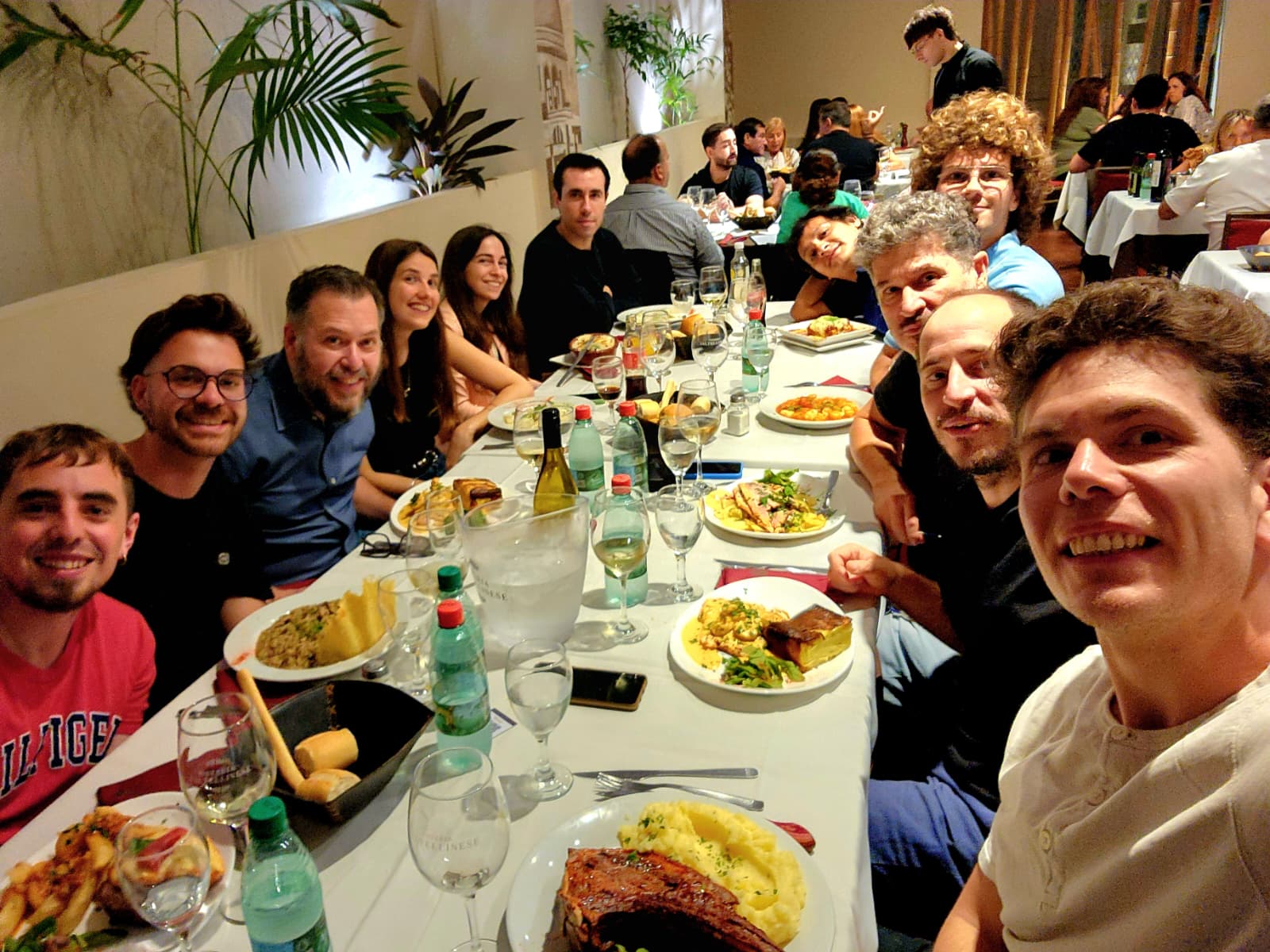
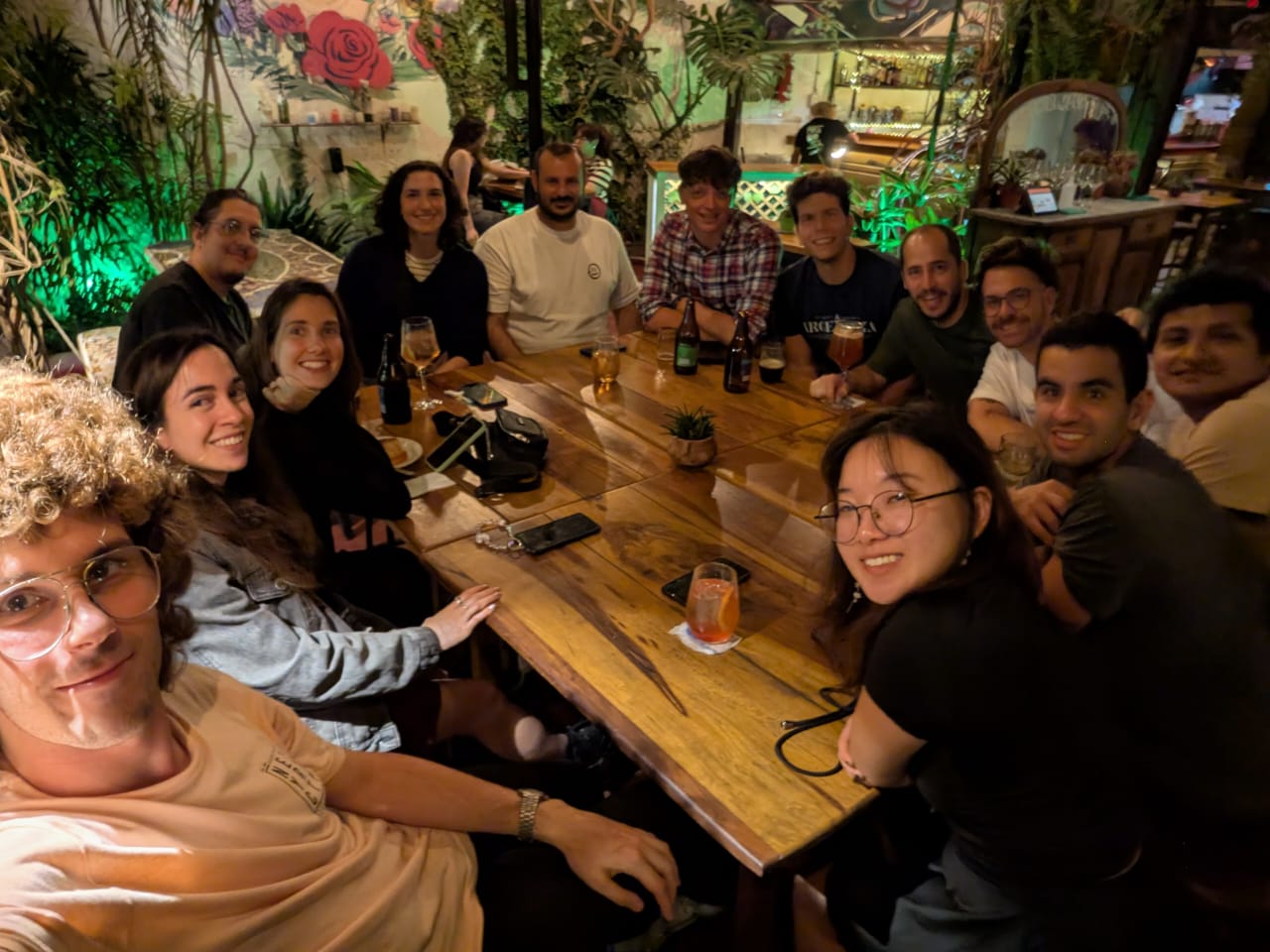

Rodolfo Vallverdú from UNLP visits ASU (13 October - 11 December 2026)
Julieta Sánchez Arias from ASU visits UNLP (1 October - 30 November 2026)
Matías Tomás Krilich from UNC-OAC visits ASU (30 September - 30 October 2026)
Lydia Cidale from UNLP visits ASU (30 September - 14 October 2026)
Michalis Kourniotis from ASU visits UNLP (15 September - 14 December 2026)
Alejandra Martinez Bezoky from UNC-OAC visits CAMK (10 September - 14 November 2026)
Leticia Ferrero from UNC-OAC visits IAC (7 September - 6 December 2026)
Mijail Milicich from UNLP visits IAC (7 September - 2 December 2026)
Felipe Espinoza Arancibia from CAMK visits UTFSM (1 - 30 September 2026)
Lydia Cidale from UNLP visits CAMK (22 August - 29 September 2026)
Felipe Figueroa Tapia from UV visits ASU (22 August - 25 October 2026)
Martina Tapia-Reina from UNC-OAC visits IAC (20 August - 2 November 2026)
Alejandro Corsico from UNLP visits ASU (8 August - 1 October 2026)
Elisson de Almeida from ON visits ASU (14 July - 16 August 2026)
OCEANS team members from ASU, UV, UANL, and UNRN participated in the 42nd Liège Astrophysical Colloquium, “To Be or not to Be: Understanding the Star, the Disk, and the Stripped Companions”, held in Liège, Belgium (13-17 July 2026)
Anahí Granada from UNRN visits ASU (8 July - 7 August 2026)
Olga Maryeva from ASU and Carlos Alberto Guerrero Peña from UANL participated in the outreach event Astronomy on Tap (7 July 2026)
Julieta Sánchez from ASU attended the 10thTESS/17th Kepler Asteroseismic Science Consortium Workshop in Aarhus, Denmark (6-10 July 2026)
Felipe Espinoza Arancibia from CAMK visits UNLP (3 July - 31 August 2026)
Carlos Guerrero from UANL visits ASU (29 June - 31 July 2026)
Martina I. Tapia-Reina from UNC-OAC went for a 10-day research visit to UNRN (June 2026)
Silvina Cardenas from UNLP and Gaston Escobar from IAC participated at the Astronomy on Tap event (4 June 2026)
Sergio Simón-Díaz from IAC participated in the Soñando Estrellas program on Radio Canarias (21 May 2026)
OCEANS team members from ASU participated in the organization and implementation of the outreach event Open Days at ASU (15-16 May 2026)
Melina Fernandez from UNLP visits ASU (13 May - 2 October 2026)
Silvina Belén Cárdenas from UNLP visits IAC (23 April - 1 July 2026)
OCEANS members attend the SEEDS conference, Córdoba, Argentina (22-24 April 2026)
The OCEANS Mid-Term Meeting takes place at Observatorio Astronómico de Córdoba, Córdoba, Argentina (20-21 April 2026)
Members of ICATE presented the OCEANS project during the Crear Conciencia festival (11 April 2026)
Nilesh Pandey from ASU presented his PhD project during the Meeting of Students of Astronomy and Astrophysics in Plzeň (10 April 2026)
OCEANS members from UNC-OAC and ASU participated in the Friends of Friends meeting in Córdoba, Argentina (6-10 April 2026)
Bogumił Pilecki from CAMK visits UNC-OAC (15 April - 12 May 2026)
Matheus Bernini Peron from UHEI visits UNC-OAC (13 April - 12 May 2026)
Sergio Simón-Díaz from IAC visits UNLP (12 - 17 April 2026)
Gonzalo Holgado from IAC visits UNLP (12 - 17 April 2026)
Carlos Martínez Sebastián from IAC visits UNLP (12 - 17 April 2026)
Michaela Kraus from ASU visits UNC-OAC (9 April - 7 May 2026)
Olga Maryeva from ASU visits UNC-OAC (5 April - 4 May 2026)
Yael Aidelman from UNLP visits IAC (1 April - 3 June 2026)
Public talk for amateur astronomers in Bariloche by Olga Maryeva (ASU) during outreach event organized by Anahí Granada (UNRN) (17 March 2026)
Sara Cuellar Carrillo from UMAYOR visits IAC (11 March - 12 April 2026)
Alba Casasbuenas from IAC visits ON (10 March - 2 May 2026)
Sergio Simón-Díaz from IAC gives lectures at five high-schools in Madrid promoting stellar astrophysics
Michalis Kourniotis from ASU presented an invited talk at the Masaryk University in Brno (9 March 2026)
Research stay of A. Sander, G. Gonzalez-Tora, and J. Josiek from UHEI at the National Astronomical Observatory of Japan (6-23 March 2026)
Olga Maryeva from ASU visits UNRN (5 March - 4 April 2026)
Daniela Turis from UV visits CAMK (13 February - 16 March 2026)
Felipe Ignacio Ortiz Arredondo from UV visits UHEI (12 February - 16 March 2026)
Felipe Figueroa from UV visits UHEI (12 February - 16 March 2026)
 Winter School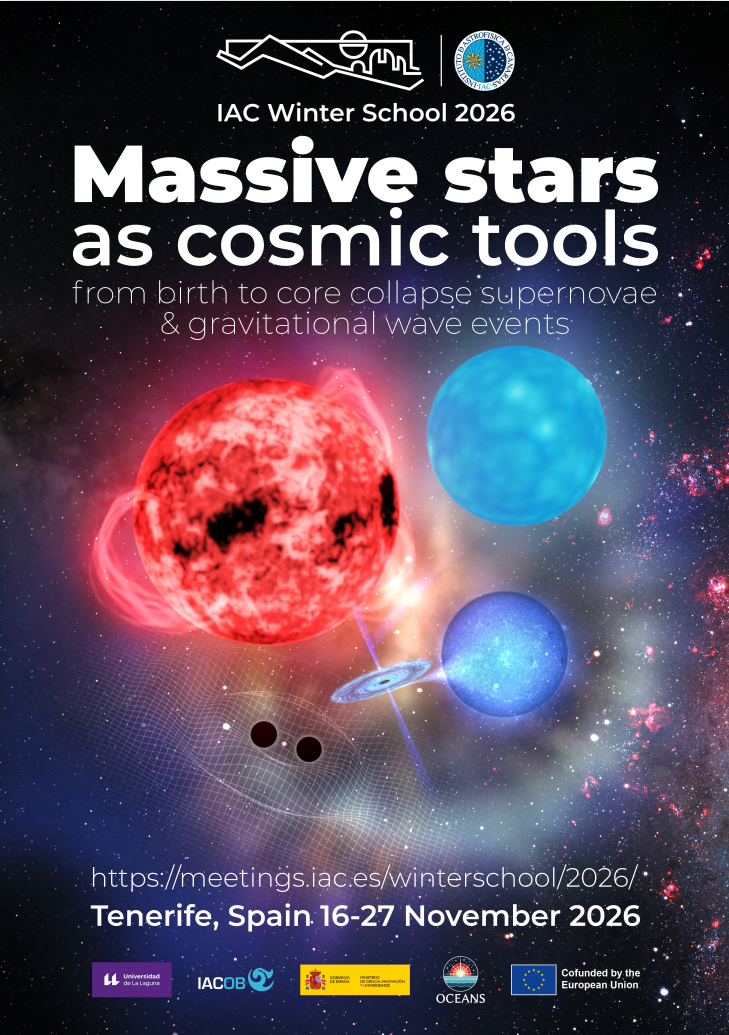
Team members from IAC are organizing a Winter School on massive stars
Matías Montesinos Armijo from UTFSM visits ASU (23 January - 25 February 2026)
Daniela Turis Gallo from UV visits IAC (11 January - 12 February 2026)
Felipe Ignacio Ortiz Arredondo from UV visits IAC (11 January - 11 February 2026)
Felipe Figueroa from UV visits IAC (11 January - 11 February 2026)
Michalis Kourniotis from ASU visits UNLP (4 January - 3 February 2026)